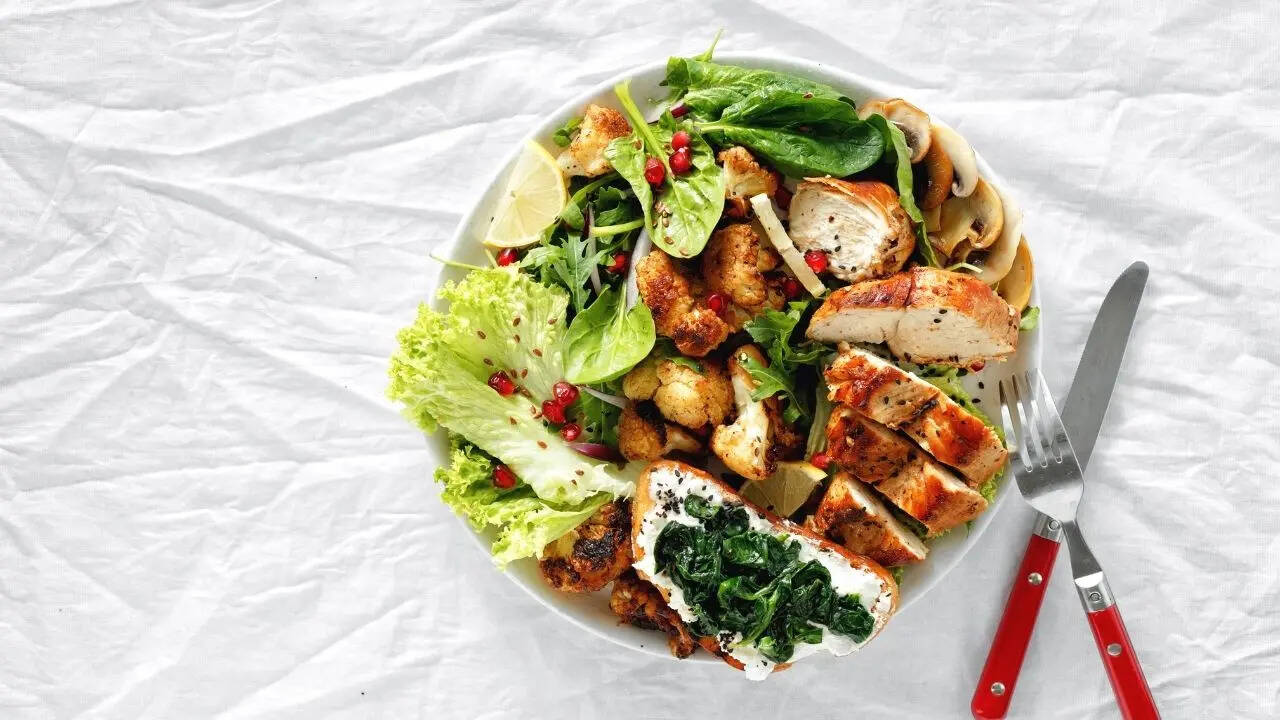
People who are trying to lose weight may be able to see progress sooner by following a simple tip backed by the NHS. The health service shares guidance for anyone aiming to improve their diet and lose weight in a safe, steady way, including those advised by their GP to slim down. On the Better Health website, the NHS has a page titled Healthy eating when trying to lose weight, which offers practical advice for everyday meals.One of the easiest rules to put into practice is increasing the amount of fruit and vegetables in your diet. Doing so can also help people meet their five-a-day target, a guideline recommended by both the NHS and the World Health Organisation.NHS Advice Could Help People Lose Weight FasterThe NHS says fruit and vegetables should be a core part of daily eating. It explains: “When it comes to fruit and veg, eating five portions a day is the minimum you should aim for – but the more you eat the better! They are a good source of fibre, low in calories and great to snack on. Increase your intake and make it a goal to hit your five a day, every day.”To make this easier, people are encouraged to follow what is known as the “two or more” rule. This means adding at least two portions of vegetables to every main meal. According to the NHS, aiming for two or more portions of veg at mealtimes should make up roughly half of your plate.Health Benefits Beyond Weight LossThe World Health Organisation states that eating at least 400g of fruit and vegetables each day is linked to a lower risk of heart disease, stroke, and certain cancers. This means boosting vegetable intake can improve overall health, not just support weight loss.Alongside fruit and vegetables, the NHS advises people trying to lose weight to include protein in every meal. Protein helps you feel full for longer and can reduce the urge to snack. Good options include eggs, fish, beans, pulses, and lean cuts of meat.Carbohydrates, Fats, And Dairy ChoicesWhile carbohydrates do not need to be avoided entirely, the NHS recommends limiting them to no more than a third of your daily food intake. When eating carbs, wholegrain versions are encouraged where possible. Dairy products should also be chosen carefully, with low-fat and low-sugar options preferred.For those who eat fish, the NHS advises having two portions per week, with at least one being oily fish such as salmon or trout. When cooking, oils like olive, sunflower, or rapeseed oil are recommended because they contain healthier unsaturated fats, as per The Mirror.Staying HydratedThe NHS also highlights the importance of drinking enough fluids each day. It advises: “Drink six to eight cups of fluid a day. Water, lower-fat milk, tea, coffee, sugar-free drinks. They all count!”Portion Size Still MattersAlongside food choices, the NHS stresses that portion size plays a major role in weight management. It notes: “The amount you eat is just as important as what you eat – no matter how healthy your diet is, you can still put on weight if you are eating too much. Having more calories than your body needs each day can lead to weight gain.”In general, the recommended daily calorie intake is around 2,500kcal for men and 2,000kcal for women. For people trying to lose weight, this usually drops to about 1,900kcal for men and 1,400kcal for women.