
- Health Conditions A-Z
- Health & Wellness
- Nutrition
- Fitness
- Health News
- Ayurveda
- Videos
- Medicine A-Z
- Parenting
Colon Cancer Is The Third Most Common Cancer In Men: Symptoms, Treatment And Prevention
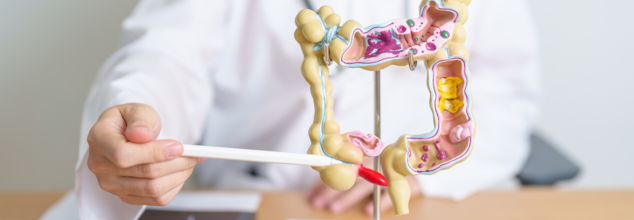
Colon Cancer or Colorectal Cancer (CRC) contributed to 9.2% of all major cancer worldwide, as per the Globocan Report 2018. The report mentions that over 1.8 million new cases were reported, with it being the third most common cancer in males. This impacts up to 7,46,000 new cases in males and 6,14,000 in females.
What Is Colon Cancer?
It is a disease of large bowel and a type of cancer that originates from the rectum or colon. A person's colon, cecum, rectum and anus make up the large intestine.
The ileocecal valve that is located at the opening between the ileum and the large intestine controls the flow of chyme from the small intestine to the large intestine.
It happens when abnormal cells invade the wall of the rectum and neighbouring tissue. These are called polyps or growths in the inner lining of the colon.
This starts in the innermost lining of the colon in the mucosa, which contains cells that release mucus and other fluids. When the cells mutate, it creates a colon polyp. Over time, colon polyps become cancerous. If it is left untreated, it could work its way through a layer of tissue, and muscle and then to the outer layer of your colon.
It can also spread to other parts of your body via lymph nodes or your blood vessels.
What Are The Symptoms?
Blood In Your Stool
If you notice blood in your stool or notice that your stool looks bright red, you must go see a doctor. It may also be haemorrhoids or anal tears.
Change In Bowel Habits
If you have persistent constipation or diarrhoea. Or if you feel like you need to poop every time you go to the bathroom, it is advisable to go see a doctor.
Belly Pain or Bloated Stomach
Speak to your healthcare provider if you feel sudden abdominal pain or feel bloated, which lasts more than a week, or if you feel nauseated, go see a doctor.
Other symptoms include unexplained weight loss, vomiting, fatigue and shortness of breath.
What Causes It?
Certain lifestyle choices can increase the risk of colon cancer.
Smoking: using tobacco products whether it is chewing or smoking can cause colon cancer
Alcohol use, eating high-fat and high-calorie foods and consuming processed meat can also lead to colon cancer. Furthermore, a sedentary lifestyle without any physical activities.
Certain medical conditions can increase the risks of colon cancer, including inflammatory bowel disease, lynch syndrome and familial adenomatous polyposis. If you have a family history of colon cancer, it may increase your risk of getting colon cancer.
How To Get Diagnosed?
There are certain tests that can help you with its diagnosis:
Complete Blood Count (CBC), comprehensive metabolic panel (CMP), and carcinoembryonic antigen assay (CEA) which detects the cancer cells and normal cell release in your bloodstream. A high CEA level may be a sign of colon cancer.
Other tests include X-rays, CT scan, MRI scan PET scan, ultrasound, biopsy.
Treatment Of Colon Cancer
Polypectomy: This procedure removes cancerous polyps from the colon.
Partial Colectomy (Colon Resection): Surgeons remove the portion of the colon containing the tumor, along with some surrounding healthy tissue, and reconnect the healthy sections of the colon in a process called anastomosis.
Surgical Resection with Colostomy: Similar to a colectomy, but if reconnection isn’t possible, the bowel is moved to an opening in the abdominal wall, where waste is collected in a bag (colostomy).
Radiofrequency Ablation: This procedure uses heat to destroy cancer cells.
Surgery may be combined with adjuvant therapy, which is treatment before or after surgery. Additional treatments, especially for cancer that has spread or returned, may include:
Chemotherapy: Drugs are used to shrink tumours and alleviate symptoms.
Targeted Therapy: This treatment focuses on specific genes, proteins, and tissues that contribute to cancer growth. A common method is monoclonal antibody therapy, where lab-made antibodies attach to and destroy cancer cells.
Prevention
Avoid Tobacco: If you smoke, ask your healthcare provider for help quitting through smoking cessation programs.
Limit Alcohol: Consume alcoholic beverages in moderation.
Maintain a Healthy Weight: Keep your weight in a healthy range to lower your risk.
Eat a Balanced Diet: Include plenty of fruits and vegetables in your meals, while reducing red meat, processed foods, and high-fat options. Drinking coffee may also reduce the risk of colon cancer.
Monitor Family Medical History: If colon cancer or advanced polyps run in your family, or if a relative had cancer before age 45, share this information with your healthcare provider.
Follow Screening Guidelines: Regular screenings are key to early detection. If you have chronic irritable bowel disease or a family history of colon cancer, your provider may recommend starting screenings earlier than age 45.
The Hidden Glaucoma Warning Signs Every Middle-Aged Adult Should Know
Credit: Canva
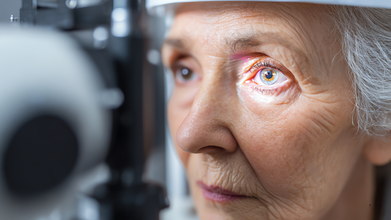
Glaucoma is an umbrella term for a group of eye diseases that create pressure inside your eyeball, which can damage delicate, critical parts at the back of your eye, including the optic nerve.
While most of the diseases are progressive, meaning they gradually get worse and eventually cause permanent vision loss and blindness. In fact, glaucoma is the second-leading cause of blindness worldwide and is the leading cause of blindness for people over 60 years old.
Dr Niteen Dedhia, Medical Director, Ojas Maxivision Eye Hospital tells Business Standard: "Glaucoma slowly and quietly causes damage to the optic nerve. Changes in eye pressure, blood flow and nerve fibres occur over time, while the brain often compensates for the loss.
"As a result, symptoms go unnoticed, and by the time vision loss becomes apparent, the damage is usually permanent."
Many forms of glaucoma have no warning signs and the effect is extremely gradual, to the point that you may not notice a change in vision until the condition is in its late stages.
Here are some symptoms that mid-age people need to keep an eye out for:
1. Gradual loss of circumferential vision
One of the earliest symptoms of glaucoma is damage and subsequent loss of peripheral vision. Dr Dedhia noted: “Glaucoma starts by damaging the peripheral vision but doesn’t affect the centre (front) vision."
If you seem to struggle with spotting objects approaching from the side or bump into things more often, you may be experiencing early stages of the disease and not merely experiencing normal ageing.
2. Difficulty seeing or reading in the dark or low light settings
Difficulty adjusting to darkness, discomfort in dimly lit spaces or having trouble navigating at night can be early warning signs may point to reduced contrast sensitivity linked to glaucoma rather than simple eye strain.3. Frequent changes in eye power
Dr Neeraj Sanduja, Ophthalmologist, Eye Surgeon at Viaan Eye Centre, Gurgaon told the publication: "Needing frequent prescription changes or feeling that glasses 'never feel quite right' may reflect subtle visual field changes caused by glaucoma rather than simple refractive error progression."
4. Eye pressure or unusual discomfort
Open-angle glaucoma, the most common form of the condition that causes patchy blind spots in your side vision, is often painless or limited to a mild sense of pressure or heaviness in the eyes.
Those suffering from open-angle glaucoma may notice a dull ache after prolonged screen time or reading that improves with rest. Frequently mistaken as regular eye strain, it is often ignored, however, may indicate subtle increases in eye pressure that require professional evaluation.
5. Frequent headaches with eye strain
Frequent headaches, especially when accompanied by eye strain or blurred vision, should not be ignored as migraine pain as it may signal rising eye pressure or early glaucoma changes, Dr Dedhia warns.
Who Is at Risk for Glaucoma?
Certain groups of people have a higher than normal risk of getting glaucoma which includes those who:
- have high eye pressure
- are farsighted or nearsighted
- have had an eye injury
- use long-term steroid medications
- have corneas that are thin in the center
- have thinning of the optic nerve
- have diabetes, migraines, high blood pressure, poor blood circulation or other health problems affecting the whole body
- are over age 40
- have family members with glaucoma
- are of African, Hispanic, or Asian heritage
Sleeping Too Much or Too Little Raises Liver Disease Risk, Study Finds

Credit: Canva
Abnormal sleeping patterns, whether excessive or brief, can significantly increase your risk of developing chronic liver disease, an EMJ study suggests.
Sleep duration has previously been linked to worsening your chances of Type 2 diabetes; obesity; cardiovascular diseases including hypertension, stroke, heart attack; mental disorders such as depression, anxiety; weakened immune system and potentially contributing to neurological conditions such as dementia.
However, researchers have now also found that sleep disruption may intensify existing stress on the liver which can worsen metabolism and pave the way for disease progression.
The authors noted that poor sleeping habits may influence liver health for multiple reasons including by altering glucose metabolism, increasing inflammation and disrupt circadian rhythms that regulate liver function.
"Participants who reported consistently short sleep duration were more likely to have elevated liver enzymes and higher fibrosis risk scores compared with those reporting moderate sleep duration. Long sleep duration was also associated with adverse liver markers, though the relationship was weaker than that observed for short sleep," the study noted.
Despite discovering links, the involved researchers noted that the study only highlighted sleep as a potential factor that could worsen liver function along with other lifestyle reasons and did not act as a clear cause.
Why Is Chronic Liver Disease A Concern?
Once a rare condition, non-alcoholic fatty liver disease (NAFLD) now affects one in three Indians. A JAMA study has now found that about 40 percent of the global population is now suffering from NAFLD, with abdominal obesity identified as its single biggest risk factor.
Researchers found that nearly 70 percent of people with Type 2 diabetes and about 80 percent of those with obesity are affected by NAFLD. They also discovered that NAFLD prevalence is higher in men than in women, with rates of 15,731 per 100,000 population in men compared with 14,310 in women.
READ MORE: This Deadly Liver Disease Is Affecting People In Their 20s And This One Symptom Is The Red Flag
Between 2010 and 2021, India recorded a 13.2 percent increase in age-standardized prevalence, ranking just behind China at 16.9 percent and Sudan at 13.3 percent. Additionally, the disease peaks earlier in men, between 45 and 49 years of age, while women show the highest prevalence between 50 and 54 years.
NAFLD, now called as metabolic dysfunction-associated steatotic liver disease (MASLD), is when excess fat builds up in the liver, unrelated to heavy alcohol use, due to obesity, Type 2 diabetes, high blood pressure and cholesterol.
It ranges from simple fat accumulation to inflammation and damage, which can progress to fibrosis, cirrhosis or liver cancer, The disease often has no symptoms and is managed with lifestyle changes such as diet and weight loss.
Why Is NAFLD on the rise?
Poor diets (high carbs/sugar), sedentary habits and rising obesity are some of the key reasons why an uptick in NAFLD cases has been seen pan-India. Increased intake of refined carbs, sugary drinks, processed foods and unhealthy fats can increase the risk of obesity, diabetes, hypertension and high cholesterol which can pave the way for this liver disease.
Experts also note that working long hours at desks without any proper physical activity can lead to weight gain and fat accumulation in the liver.
According to the Union Health Ministry, the prevalence of the condition could be in the range of 9-53 percent. Multiple other health studies also suggest nearly 40 percent of urban Indians may have some form of fatty liver disease
Hepatologist Dr Cyriac Abby Philips, popularly known as LiverDoc on social media, noted on X that many patients do not realize that timely lifestyle changes can completely reverse the condition. “All it takes is being in charge of your body and health. No shortcuts—go slow and steady,” he wrote.
If left untreated, NAFLD can progress to Non-Alcoholic Steatohepatitis (NASH), where liver inflammation begins. Over time, this inflammation can lead to scarring of the liver, known as fibrosis. Advanced fibrosis results in cirrhosis, which severely affects liver function.
NAFLD can also increase the risk of chronic liver disease, liver failure and hepatocellular carcinoma. Many patients diagnosed with liver cancer have a history of untreated fatty liver.
Unique Symptoms Of Alzheimer's Disease And How It Can Be Managed

Credits: iStock
Over 2 million Americans have Alzheimer's. It is the most common cause of dementia and is a progressive disease. This means the disease will get worse, however, it could be managed, though cure is not available. It is the biological process that begins with the appearance of a buildup protein in the form of amyloid plaques and neurofibrillary tangles in the brain. This causes brain cells to die over time and the brain to shrink.
What Makes Alzheimer's So Unique?
The fact that there is no cure for Alzheimer's disease is one of the most unique part of the condition. In advanced stages, loss of brain function can cause dehydration, poor nutrition or infection.
The symptoms of Alzheimer's are unique because the signs are easily miss-able. These signs could seem like a day to day problem and not anything serious. At first, it starts with trouble in remembering recent events or conversations. Over time, memory gets worse and other symptoms occur.
While everyone could have trouble with memory at times, the memory loss that happens with Alzheimer's is lasting. The signs could be:
- Repeat statements
- Repeating questions over and over
- Forgetting conversations, appointments and events
- Misplacing items, and putting the in odd places
- Getting lost in places you know very well
- Forgetting names of family members
- Forgetting names of everyday objects
- Have trouble finding the right words, expressing thoughts or having conversations
Unique Symptoms Of Alzheimer's: Cannot Recognize Numbers
Alzheimer's could also lead to trouble in concentrating, thinking, especially about abstract concepts like number. Your thinking and reasoning abilities take a hit. In fact, in many cases, people with Alzheimer's are not able to recognize numbers.
Unique Symptoms Of Alzheimer's: Cannot Perform Everyday Tasks
There are many tasks that you do in your day to day life, which come easy to you, could become difficult over time. As Alzheimer's advances, people forget how to do basic tasks such as dressing or bathing.
Read: What A Finger-Prick Blood Test Could Mean for Alzheimer’s Diagnosis
Your Personality Changes
With Alzheimer's, your personality too can change, as the disease could affect moods and behaviors. Symptoms include:
- Depression.
- Loss of interest in activities.
- Social withdrawal.
- Mood swings.
- Not trusting others.
- Anger or aggression.
- Changes in sleeping habits.
- Wandering.
- Loss of inhibitions.
- Delusions, such as believing something has been stolen when it hasn't.
Are There Any Treatments Or Cures?
UK researchers say fruit flies could help unlock why devastating brain and nerve conditions such as Alzheimer’s, Parkinson’s and motor neurone disease develop, despite decades of medical research. Scientists have known for years that many neurodegenerative disorders are linked to genetic mutations. What has remained unclear is how those mutations actually trigger disease inside the nervous system.
According to the Mirror, new findings published in the journal Current Biology suggest a breakthrough may lie in studying fruit flies, insects whose genes behave in strikingly similar ways to those in humans.
- Follow Us :


© 2024 Bennett, Coleman & Company Limited