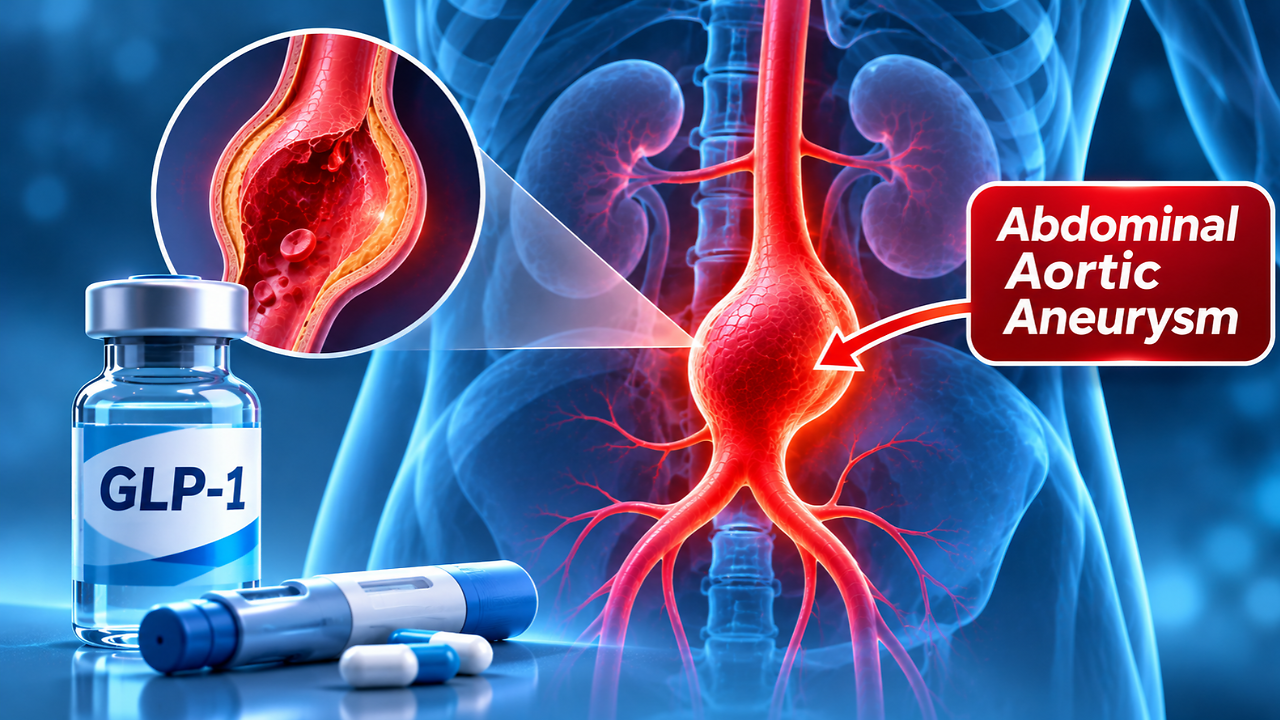
The hype around GLP-1 weight loss drugs keeps growing due to numerous new benefits as well as side effects that are discovered every other day. A recent study found that the risk of aortic aneurysm rupture is significantly less among GLP-1 users. The study was published in the Journal of Vascular Surgery.GLP-1 receptor agonists is a a class of medicines that is widely used to treat type 2 diabetes and obesity. Users have reported substantial weight loss results with the help of these medicines like Ozempic, Mounjaro, Zepbound and others. Now, researchers have found that people with abdominal aortic aneurysms who used GLP-1 drugs had a 46% lower risk of rupture over five years compared with those who did not use these medicines. This means that GLP-1 drugs may also have cardiovascular benefit apart from diabetes and obesity.The study analysed health records from 123 healthcare organisations in the US. It is based on more than 412,000 people diagnosed with abdominal aortic aneurysms who underwent imaging surveillance every six months.After matching patients based on factors like age, sex, diabetes, high blood pressure, smoking, heart disease and kidney disease, the researchers compared 13,722 GLP-1 receptor agonist users with an equal number of non-users.GLP-1 Drugs Linked To Fewer Aortic Aneurysm RupturesAlso read: ‘Godzilla’ Drug Retatrutide Reverses Sleep Apnea In 1 In 4 Diabetes PatientsAfter five years, aortic aneurysm rupture was recorded in about 1.6% of people taking GLP-1 drugs, compared to 2.4% of those who were not taking them.The researchers reported a hazard ratio of 0.538, indicating a 46.2% lower risk of rupture among GLP-1 drug users after adjustment.The difference was also observed at the two-year mark, when rupture occurred in 1.1% of GLP-1 users compared to 1.8% of non-users.People taking GLP-1 drugs also had fewer elective aneurysm repairs. At five years, 2.1% of users underwent elective repair compared to 3% of non-users.The study further found lower rates of major cardiovascular events like heart attacks, strokes and heart failure, as well as lower all-cause mortality among GLP-1 users.What Is An Abdominal Aortic Aneurysm?Also read: The Changing Obesity Treatment Landscape: Where Does Bariatric Surgery Fit in the Age of Weight-Loss Drugs?An abdominal aortic aneurysm (AAA) occurs when a section of the aorta, the body's largest artery, becomes enlarged or bulges due to weakening of its wall. It develops in the part of the aorta that passes through the abdomen.Many abdominal aortic aneurysms do not cause symptoms and are detected during tests. However, as the aneurysm enlarges, its risk of rupture increases.A ruptured aneurysm is considered to be a medical emergency as it can cause severe internal bleeding. Symptoms may include sudden, severe abdominal or back pain, dizziness, fainting and a rapid heartbeat.Smoking, older age, high blood pressure, atherosclerosis and a family history of aneurysms are among the risk factors.GLP-1 Drugs & Lower Risk Of Aortic Aneurysm Rupture Risk GLP-1 receptor agonists work by mimicking the naturally occurring GLP-1 hormone. They help regulate blood sugar by stimulating insulin release when glucose levels are high, slowing the emptying of stomach and reducing appetite.Some of their effects may also impact blood vessel health. Abdominal aortic aneurysms develop through several processes, including inflammation, damage to vascular smooth muscle cells and changes in the proteins that maintain the artery wall.GLP-1 drugs have shown anti-inflammatory and cardiovascular benefits in older research. The researchers suggest these effects may help explain the lower rates of aneurysm-related complications observed in the study. The findings are promising but do not conclusively prove that GLP-1 medicines prevent aneurysm rupture. This was a retrospective observational study, meaning researchers examined existing health records rather than randomly assigning patients to receive the drugs. One important limitation was that aneurysm size was not included among the matching variables. Since aneurysm size is a major determinant of rupture risk, differences between the groups could have impacted the findings.