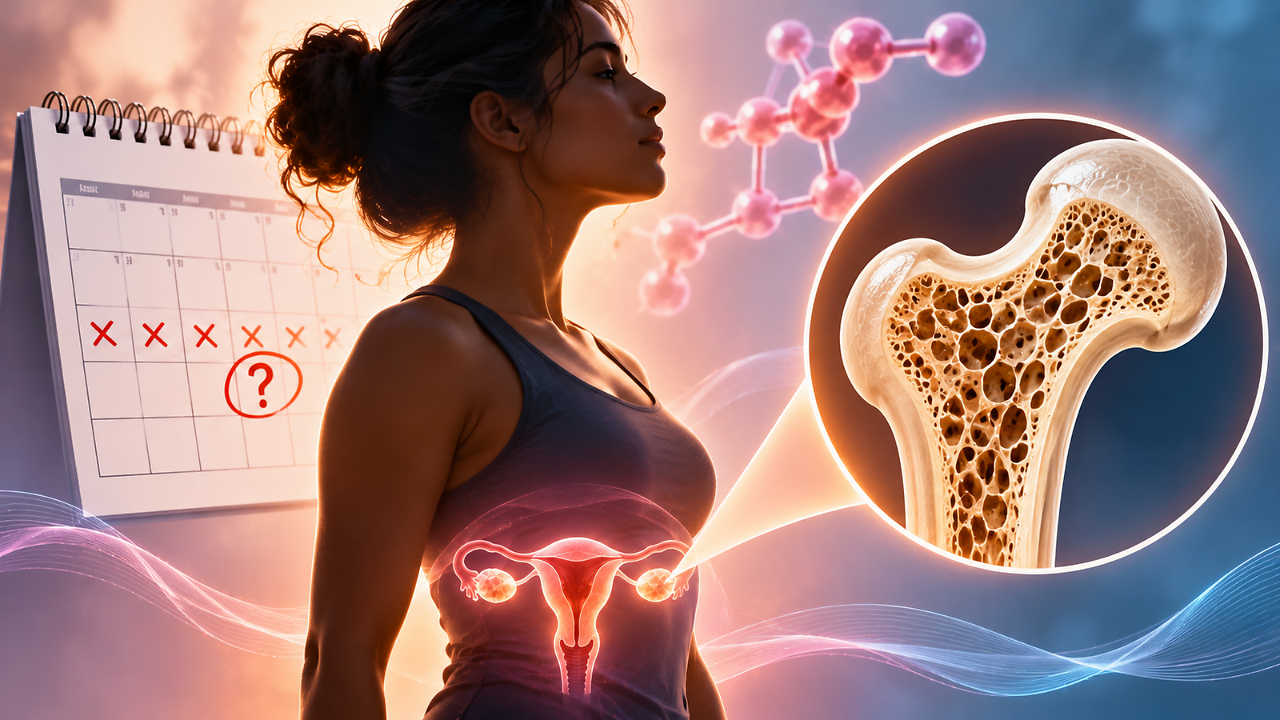
When a woman misses her period, pregnancy is usually the first thing she thinks about. If that is ruled out, stress, weight changes or a hormonal imbalance may seem like the obvious explanations. But when periods become irregular or stop for several months, there may be more to the story. In some women, these changes can also signal a risk to bone health. The menstrual cycle is controlled by a complex interaction between the brain and the ovaries. Oestrogen, one of the key hormones involved, is important not only for reproductive health but also for maintaining strong bones. It helps regulate the continuous process of bone breakdown and rebuilding. When oestrogen levels remain low for a prolonged period, this balance can be disturbed, leading to a reduction in bone mineral density and, in some cases, an increased risk of fractures. Menstrual health is not just about getting a period every month. It can offer important clues about what is happening elsewhere in the body.Why Do Periods Sometimes Stop?Also read: Why Do My Breasts Hurt Right Before My Period?One possible cause is functional hypothalamic amenorrhoea, a condition in which the brain reduces the hormonal signals that stimulate the ovaries. It may occur when the body is under physical or emotional stress, particularly in the setting of inadequate food intake, rapid weight loss, excessive exercise or a combination of these factors.In simple terms, the body may not be getting enough energy to support all its normal functions. Reproductive activity can slow down as a result. If this continues, the effects may extend beyond the menstrual cycle.Low energy availability can affect hormones involved in bone formation and maintenance. Inadequate intake of protein, calcium and vitamin D may further compromise bone health. The concern is particularly important in adolescents and young women, because these are the years when the body builds much of its peak bone mass. If this process is disrupted, they may not achieve their full bone-strength potential, which can have implications for bone health later in life. It can happen even when a woman is not underweight. One common misconception is that only very thin women are at risk. In reality, a woman can have a seemingly healthy body weight and still not be eating enough to meet the demands of her daily activity.A student under academic pressure may skip meals regularly. A working professional may combine long hours with restrictive eating, while a woman who exercises intensively may not increase her food intake to match her energy needs. In such situations, menstrual changes may be one of the first noticeable signs that something is wrong.Persistent tiredness, declining exercise performance, poor recovery after workouts and recurrent bone or muscle injuries may provide additional clues. These symptoms are easy to dismiss as the result of a busy lifestyle, but they deserve attention when they occur alongside irregular or absent periods. Not Every Missed Period Has The Same CauseAlso read: Women With Endometriosis Are Earning Less, Reveals StudyAlthough inadequate energy intake and prolonged stress can affect menstruation, they are not the only explanations. Pregnancy must first be ruled out. Other possible causes include polycystic ovary syndrome (PCOS), thyroid disorders, raised prolactin levels, premature ovarian insufficiency, chronic illnesses and certain medications.A woman should seek medical evaluation if her periods stop for three months without an explanation, if her cycles remain persistently irregular, or if menstrual changes are accompanied by significant weight loss, restrictive eating, excessive exercise, bone pain or a stress fracture.The assessment usually begins with a detailed menstrual history and questions about diet, exercise, weight changes, stress and medication use. Depending on the findings, the doctor may recommend pregnancy testing, blood tests to assess thyroid function and reproductive hormones, prolactin levels and other investigations. A bone mineral density scan may also be appropriate when periods have been absent for a prolonged period or when additional risk factors for bone loss are present. Protecting Menstrual Health Also Means Protecting Bone Health Treatment depends on the underlying cause. When inadequate energy availability is responsible, the priority is to restore a healthy balance between food intake, physical activity and recovery. This may require nutritional guidance, changes to exercise routines and support for managing psychological stress. A gynaecologist may work with an endocrinologist, dietitian or mental-health professional, depending on the individual’s needs.Adequate calcium, vitamin D and protein are important for bone health, but supplements alone cannot correct an ongoing energy deficit. Similarly, hormonal medication should not be prescribed simply to produce a period without first understanding why menstruation has stopped.A menstrual cycle is more than a monthly reproductive event. Persistent changes can provide valuable clues about hormonal function, nutrition and overall health. Paying attention to these changes early can help identify underlying problems and, where necessary, protect bone health for the future.