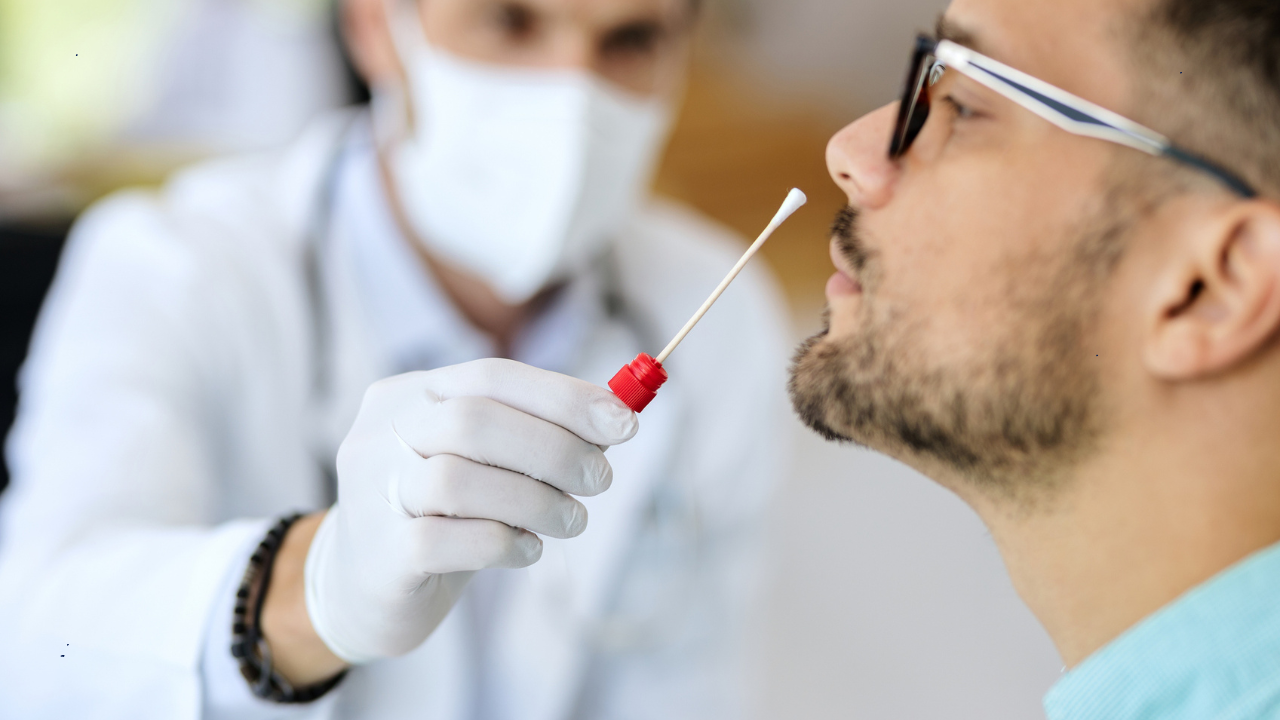
The detection of the Omicron RF.5 subvariant in Andhra Pradesh has raised concerns about a possible resurgence of COVID-19 in India. However, health experts say there is no evidence so far that the new sub-lineage causes more severe illness than other recently circulating Omicron variants.While RF.5 may spread more efficiently, experts stress that the focus should remain on protecting vulnerable groups rather than panicking.RF.5 Transmissible, Not More DeadlySpeaking to HealthandMe, Dr. Aijaz Ilmi, Senior Consultant – Preventive Wellness & Metabolic Diseases, Pacific OneHealth Hospital, said the detection of RF.5 should prompt vigilance, not fear."At present, there is no convincing evidence that RF.5 causes more severe disease than other recently circulating Omicron variants, although it may spread efficiently. Ongoing surveillance remains essential, as seen in Telangana."Dr. Tushar Tayal, Associate Director, Internal Medicine, CK Birla Hospital, Gurugram, added that countries including Singapore have already detected RF.5 without reporting a corresponding rise in hospitalizations, suggesting the variant may be more transmissible but not more severe.Also read: India Logs 339 COVID-19 Cases In First Half Of July: What To Know About The RF.5 Omicron SubvariantMild Illness For Most Healthy PeopleDr. G.C. Khilnani, Chairman, PSRI Institute of Pulmonary, Critical Care, told HealthandMe that the current outbreak is being driven by the Omicron variant, which generally causes a milder upper respiratory illness than earlier COVID-19 strains.He said healthy individuals typically experience fever, cough, runny nose and body aches, while the risk of severe disease remains much lower than during previous waves."This virus remains confined to the throat, or what we call the oral cavity, and does not traverse to the lungs. Therefore, in a normal healthy individual, it does not cause pneumonia. So, it is not life-threatening in immunocompetent or healthy individuals."Who Is at Risk?Following four COVID-19-related deaths reported in Andhra Pradesh over the past two weeks, experts said people with weakened immunity continue to face the highest risk of severe illness. This includes cancer patients undergoing chemotherapy, people with uncontrolled diabetes, older adults, those on long-term steroid therapy and people living with HIV/AIDS."Most infections are expected to present with mild upper respiratory symptoms such as sore throat, fever, cough, runny or blocked nose, fatigue, headache and body aches," Dr. Ilmi said.He added that older adults, pregnant women, people with heart, lung or kidney disease, obesity, cancer, diabetes, weakened immunity and those who are inadequately vaccinated remain the most vulnerable to severe COVID-19.Symptoms Remain Similar Read More: India’s First Approved Dengue Vaccine: Takeda’s QDENGA Protects Against All Four Virus SerotypesExperts said RF.5 does not appear to cause unusual symptoms. Common signs include:Sore throatFeverCoughRunny or blocked noseFatigueHeadacheBody achesThey advised seeking immediate medical attention if symptoms such as breathlessness, persistent chest pain, confusion or low oxygen levels develop.COVID-19 in India: Vigilance, Not PanicIndia has reported a renewed uptick in COVID-19 cases, with 339 infections recorded between July 1 and July 16, according to the Andhra Pradesh Health Department.Reported cases during this period include:Kerala: 115Karnataka: 64Maharashtra: 43Tamil Nadu: 39Andaman and Nicobar Islands: 18Delhi: 18Rajasthan: 12Other states: Remaining cases As cases rise, experts urge people to remain vigilant rather than panic. They recommend continued surveillance, prompt testing for symptomatic individuals, vaccination for those who are eligible, and simple preventive measures to protect those at the highest risk of severe illness.How To Prevent Experts said public health guidance has not changed despite the emergence of RF.5. They recommend wearing masks in crowded places, getting tested if symptoms develop, and isolating after a positive test to reduce transmission.Dr. Khilnani also stressed the importance of early diagnosis, avoiding crowded places while infected, wearing a mask and following proper cough etiquette. He added that people with weakened immunity should be especially cautious, avoid crowded settings and maintain good hand hygiene.Early testing, adequate hydration, rest and symptomatic treatment remain the cornerstone of management, particularly for high-risk individuals.