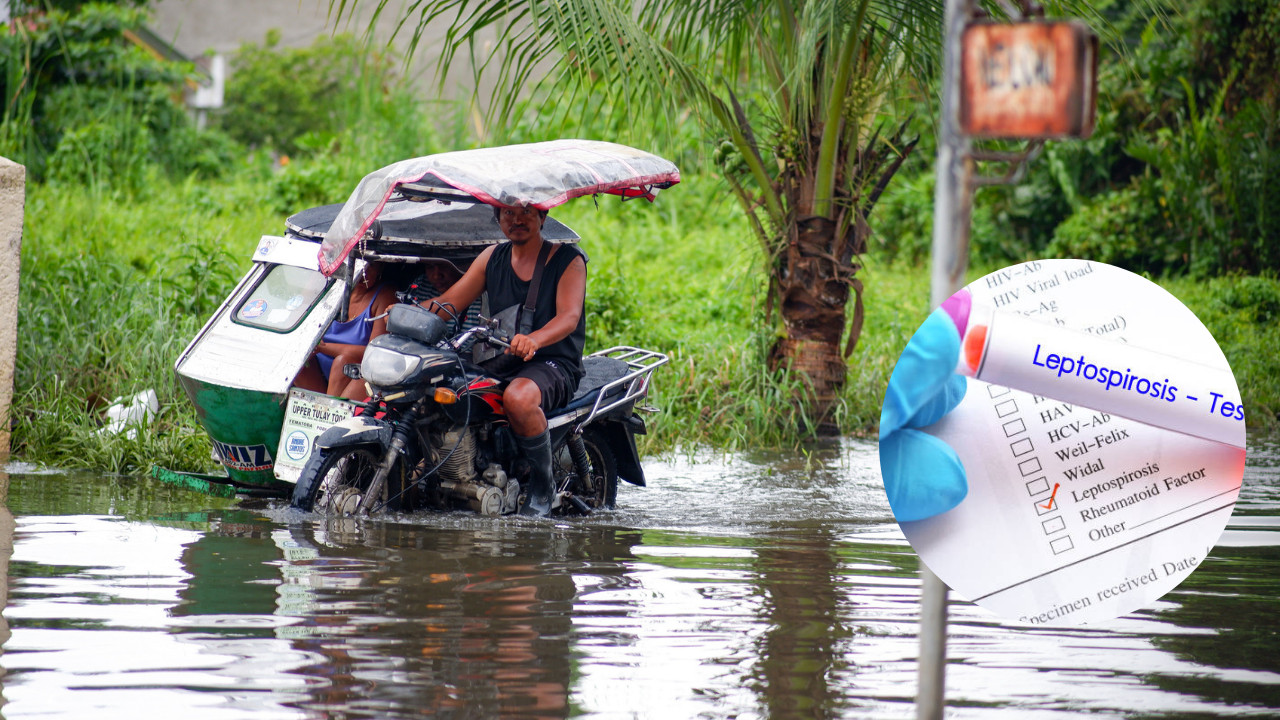
Manila is witnessing a sharp rise in leptospirosis cases, with infections now crossing the city’s epidemic threshold following widespread exposure to floodwaters in August.Nearly 1,000 cases have been reported in Manila this year, with the number rising rapidly over the past two weeks, Manila City health officer Grace Padilla told ABS-CBN News.Padilla said the city’s attack rate has reached three, signaling a high level of transmission in the affected population. Health officials expect cases to continue rising as more residents who came into contact with floodwater in late August seek medical attention.Hospitals Face Growing PressureThe surge in cases has also put additional pressure on hospitals across Manila. The city is also providing post-exposure prophylaxis at 44 health centers to people considered at risk following exposure to potentially contaminated floodwater, the report said.The situation extends beyond Manila. Metro Manila has recorded at least 1,961 cases, with Manila and Quezon City reporting the highest cumulative numbers, followed by Caloocan and Taguig.Philippines Records Hundreds of DeathsThe outbreak is part of a wider national burden. From January 1 to August 29, the Philippines recorded 6,253 leptospirosis cases and 378 deaths, according to the health department’s epidemiology bureau.Why Floodwater Raises Leptospirosis RiskLeptospirosis is one of the most prevalent zoonotic diseases worldwide, often linked to poor sanitation and agricultural practices that involve contact with animals or contaminated water. The bacteria can survive in contaminated water or soil for weeks to months, primarily spreading through the urine of infected animals. Humans can contract the disease through direct contact with infected urine or through contaminated food, water, or soil. Flooding can increase the risk of exposure by spreading contaminated water through homes, streets and communities.What Are Symptoms Of Leptospirosis? Symptoms typically develop 2 to 30 days after exposure and can range from mild to severe. Initial signs often include high-grade fever, red eyes (conjunctival suffusion), calf tenderness, headache, dry cough, nausea, and diarrhea. In more serious cases, the infection can lead to complications such as jaundice, kidney or liver damage, meningitis, respiratory issues, and hemorrhages. The health authorities in Manila shared that people who have recently been exposed to floodwater should watch for symptoms such as fever, headache, muscle pain and joint pain and seek medical attention if they develop them.The infection can be treated with antibiotics, including doxycycline, when prescribed by a doctor.What Precautions Should Be Taken? According to the Centers for Disease Control and Prevention (CDC), it is essential to avoid wading through dirty rainwater, especially during the rainy season, and to wear gumboots in such conditions.Proper care of any injuries or cuts is crucial, and frequent handwashing, particularly after handling food or working in potentially contaminated environments, is highly recommended. Additionally, individuals should avoid contact with animals that appear sick or are known carriers of the bacteria.