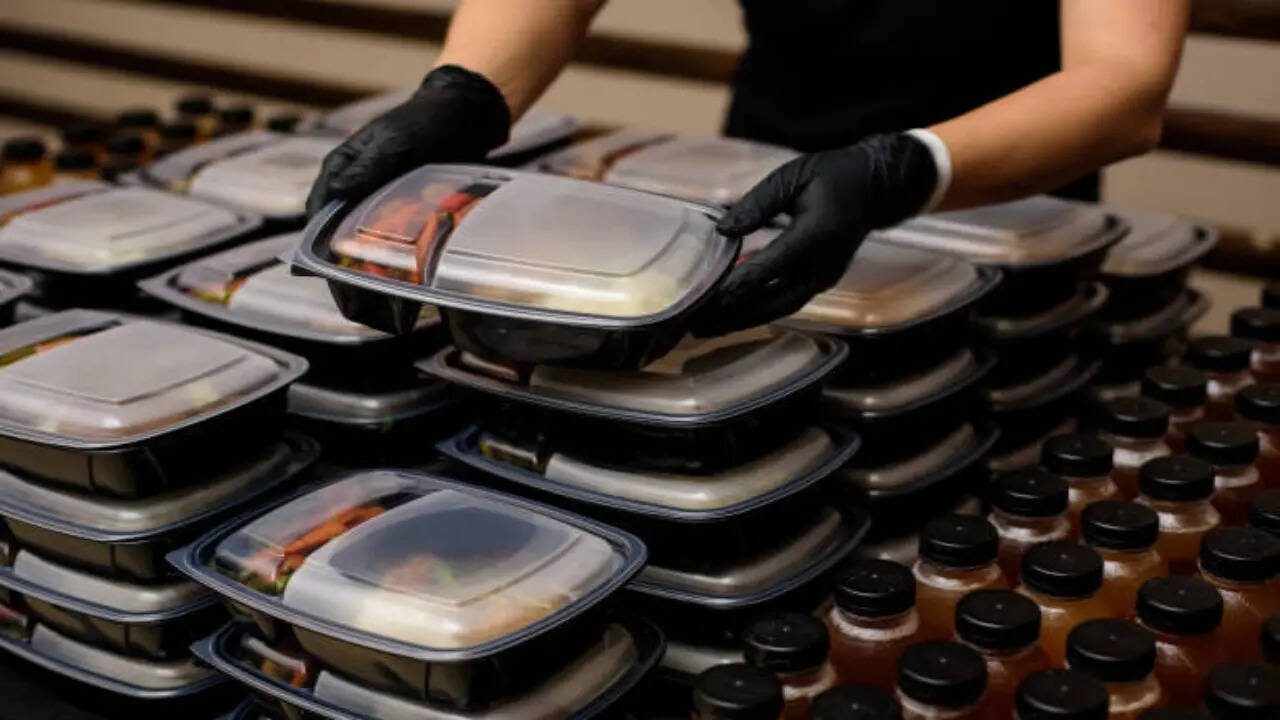
Plastic containers have been discouraged for a long time now, especially for heating food or storing hot food. Studies have associated this habit with a heightened risk of cancer, but now an expert has specifically spoken about black plastic containers and what makes them worse for you. According to Dr Rakesh Kumar Sharma, Senior Consultant Medical Oncologist at M | O | C Cancer Care & Research Centre, Gurugram, cooking or heating food in black containers could be very harmful to your body. Read on to find out how.Dr Sharma, in an interview with Health and Me, said that cooking food in black plastic receptacles could lead to greater amounts of certain chemicals making their way into your body; however, there currently exists no scientific evidence confirming that this daily activity increases your risk of cancer.Why is black plastic worse than others?Dr Sharma explained that black takeaway containers usually consist of recycled plastics, such as e-waste, and can contain flame retardants, BPA, phthalates, etc. When heated in contact with food, especially if the food is hot, fatty, or acidic, more chemicals could potentially make their way into the food from the container. In this way, it may, over time, heighten your risk of developing a malignant tumour.Black containers are coloured using carbon black, which is included in Group 2B of possible human carcinogens according to IARC, as shown in both animal and limited human research. Moreover, recycled black plastics could contain polycyclic aromatic hydrocarbons and decaBDE, which have shown carcinogenic effects in experiments. This makes black plastic containers worse than other coloured counterparts. Yet, heating food in a plastic container of any colour is not deemed safe.Do studies verify the side effects of heating food in plastic containers?Experimental studies conducted in laboratories on microwaveable plastic receptacles reveal the migration of tens of chemicals and millions of microplastics per litre of the food simulant. However, a recent study in 2024 reported that containers labelled as microwave-safe in Korea adhered to contemporary safety standards for these levels, and total exposure fell within safe limits.Leading cancer associations have confirmed that the usage of plastic packaging, even in microwave applications, has not been linked with increased cancer risks in humans, although there is ongoing research in areas such as black plastics. However, precautionary measures are suggested by experts as a better strategy due to the difficulties of directly studying long-term, low-level exposure to chemical compounds.How to reduce cancer risk?When it comes to reducing cancer risk, most doctors recommend quitting smoking and limiting alcohol intake. However, Dr Sharma listed some basic kitchen and eating habits that may come to your rescue:Avoid cooking food in black plastic packaging, particularly if the food is oily or acidic.Move hot food into glass, ceramic, or stainless steel containers for reheating.Only use microwave-safe containers and discard any broken plastic containers.