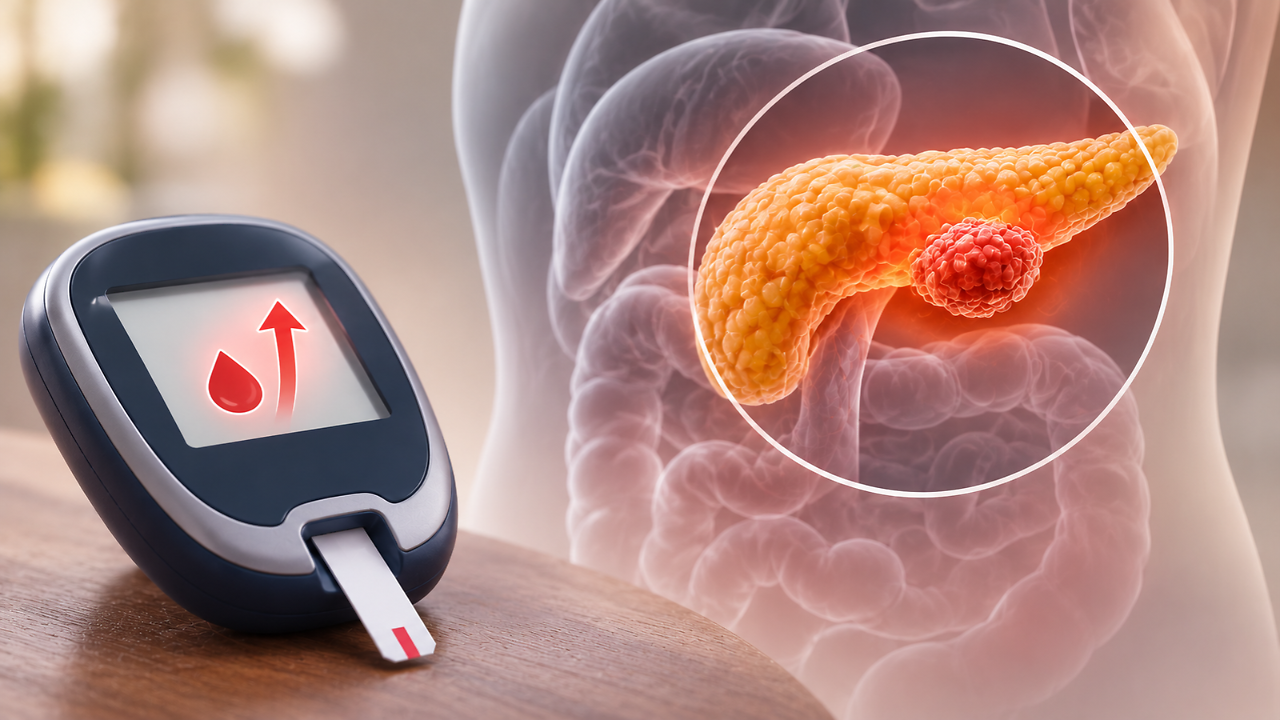
A sudden diagnosis of diabetes after the age of 50 can sometimes be linked to pancreatic cancer, particularly when blood sugar rises unexpectedly without weight gain or is accompanied by unexplained weight loss. The pancreas produces insulin, and a tumour developing in the pancreas can interfere with this process, causing blood sugar levels to rise.However, new-onset diabetes does not mean a person has pancreatic cancer, as diabetes after 50 is much more commonly associated with age, weight, family history and lifestyle. The combination of sudden diabetes with symptoms such as unexplained weight loss, persistent upper abdominal or back pain, jaundice or loss of appetite should therefore be investigated.Signs and Symptoms That Might Indicate Pancreatic Cancer A sudden diagnosis of diabetes coupled with unexplained weight loss can be a warning sign. Other symptoms include: Loss of appetite and unintentional weight lossPersistent pain in the upper abdomen (which may radiate to the back)Floating stoolsJaundiceDark urine and ongoing itchingThese symptoms must not be dismissed, especially if they persist for several days. Also read: Type 1 Diabetes In Children: AIIMS Director Shares Warning Signs Parents Must Watch ForUnderstanding Who Is At RiskThe pancreas makes insulin, which is responsible for regulating blood sugar. A tumour in the pancreas can damage the insulin-producing cells and, as a result, blood sugar levels can go up. In some instances, diabetes can actually present itself prior to any of the other symptoms of pancreatic cancer.However, it is important to note that only around 0.8 to 1% of people diagnosed with new-onset diabetes may have underlying pancreatic cancer. Therefore, while a sudden rise in blood sugar levels after the age of 50 warrants attention, it does not necessarily indicate cancer.People over 50, smokers, heavy drinkers, those who are obese and those with a history of long-term pancreatitis are all at increased risk. A family history of pancreatic cancer is also a risk factor.Also read: 1 In 2 Indian Women And Nearly 1 In 2 Girls Have Anemia: New ICMR Survey Reveals Burden In Young Children TooTips for Prevention of Pancreatic Cancer Avoid tobacco, as smoking is the strongest preventable cause and roughly doubles the risk. Keep a healthy weight and aim for a BMI of about 18.5 to 23, since excess body fat might escalate the risks. Limit alcohol and heavy drinking, as it inflames the pancreas over time. Eat well by including plenty of fruits, vegetables and whole foods in your diet, while limiting processed and red meat.Stay active; walk briskly for about 20-30 minutes a day.Get sugar checked regularly: Test blood sugar yearly after 40, and seek medical assistance if diabetes appears suddenly or comes with weight loss or belly pain.Diagnosis and Treatment Sugar tests are the first step in understanding the underlying problem. Blood tests (including liver function tests) may be indicated. CT and/or MRI scans will be used to look at the pancreas and see if there's any abnormality. A biopsy will be carried out if necessary to confirm the presence of cancer.Treatment is dependent on the stage of the cancer and the patient's general health. Surgery, including the Whipple, may be an option in the early stages of the disease where the cancer can be removed. Chemotherapy may also be indicated to control the growth of the cancer. Insulin and digestive enzyme supplements may be used to help with blood sugar and digestive problems. A sudden diagnosis of diabetes after 50 doesn't necessarily point to pancreatic cancer, but if it's associated with unexplained weight loss or ongoing abdominal pain it should be evaluated promptly, as early diagnosis and timely intervention can help ensure appropriate treatment.