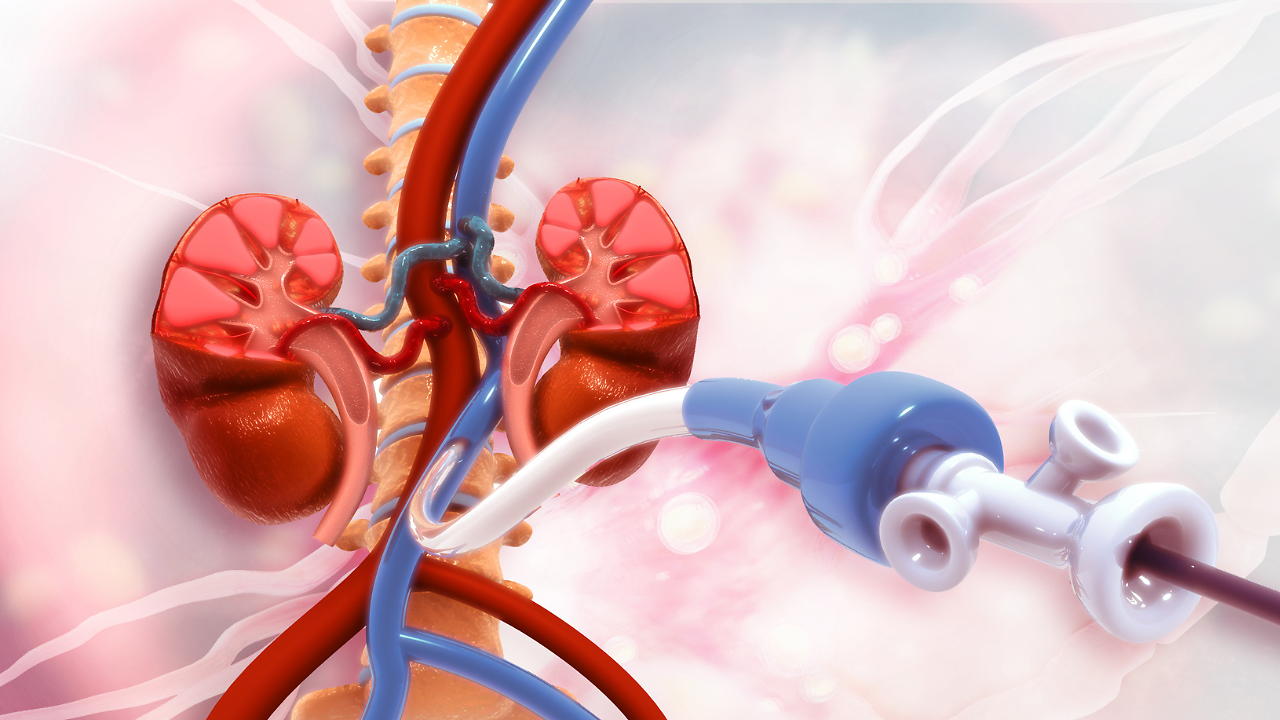
The word dialysis can stir up anxiety and fear for many. It's often seen as a sign of life never being the same again or it's considered a "last resort. I see many patients every day who assume that dialysis is their only choice. In fact, dialysis is a life saving therapy which takes over some of the functions of the kidneys which are unable to perform them properly. Knowing about the dialysis that it will require in the future, how dialysis works, and whether it can be delayed or avoided will help you avoid unnecessary anxiety and make informed decisions.The kidneys are incredible organs that constantly filter out excessive fluid, toxins and waste products from the blood and help to keep the body's electrolyte balance, blood pressure and red blood cell production in check. As kidney function decreases substantially, these functions are disturbed and allow the build-up of harmful substances in the body. Dialysis mimics some of these filtering functions, and works to keep a patient healthy when their kidneys no longer do so.Dialysis is not started just because of a laboratory value as is often thought. Many people think that dialysis is meant as a next step when kidney function drops below a certain percentage. But it depends on the results of kidney function tests, symptoms, and fluid overload, as well as electrolyte problems and patient clinical condition. Some people with an advanced stage of CKD may be able to do just fine and have no indication of needing dialysis for months; others might need urgent dialysis in case their kidneys are failing very quickly or they develop very serious complications that put their life at risk.The most frequent indications for initiation of dialysis are: very high potassium levels, symptoms of fluid overload such as breathlessness, nausea and vomiting caused by accumulation of toxins, confusion, extreme tiredness, loss of appetite or condition where the dialysis cannot be managed with medication alone. In these cases, dialysis is not a choice but a lifesaver.Also read: When Cholesterol Isn't the Only Culprit: The Hidden Threat of Calcium in ArteriesHow The Two Main Types Of Dialysis Work?There are two types of dialysis: In hemodialysis, the blood is pumped through a dialysis machine that removes waste products and excess fluid from the blood and returns the cleaned blood to the body. It's typically done three times a week in a dialysis center, but a few patients have home dialysis as an option. The process is usually a four hour per session process.Another option is peritoneal dialysis, which involves using the patient's own abdominal lining to filter the blood. The abdominal cavity is filled with a cleansing solution, waste products and excess fluid are carried in to the solution through a permanent catheter, and the solution is drained. This treatment is often available at home and can provide a patient with more flexibility and independence. Medical suitability, lifestyle, home support and patient preference will all influence the decision on whether to undergo hemodialysis or PD.Also read: Cefepime: Antibiotic Used For Pneumonia, UTI Linked To Higher Death Risk In AdultsCan Kidney Disease Be Slowed Or Dialysis Delayed? A major concern patients have is if they can avoid dialysis altogether. The answer is dependent on the cause of kidney disease and the timeliness of diagnosis. However, in many cases, the kidney disease is a progressive condition over many years and there is a chance to slow the progression of the disease with appropriate medical treatment and lifestyle changes. Well managed diabetes and hypertension, avoiding unnecessary pain killers like non-steroidal anti-inflammatory drugs (NSAIDs), healthy weight, salt reduction in the diet, smoking cessation and frequent visits to a nephrologist can have a huge impact on slowing the deterioration of the kidneys.An early diagnosis is very important. Sadly, a major drawback about chronic kidney disease is that most of the time, people don't have any symptoms in the initial stages of the disease. People are often diagnosed when they have significant kidney damage already. Routine screening is particularly important for those with diabetes, hypertension, cardiovascular disease, obesity and a family history of kidney disease. A number of simple blood and urine tests can detect kidney disease before symptoms occur.Acute Kidney Injury And Chronic Kidney Disease Are DifferentIt is also crucial to differentiate acute kidney injury from chronic kidney disease. Acute kidney injury can occur if the kidneys become severely dehydrated, if the body be