
- Health Conditions A-Z
- Health & Wellness
- Nutrition
- Fitness
- Health News
- Ayurveda
- Videos
- Medicine A-Z
- Parenting
Do We Take Better Care Of Our Cars Than Ourselves? Survey Shows 44% People Never Got Their Cholesterol Checked

(Credit-Canva)
A surprising number of people in the UK are giving more attention to their cars than to their own health, even though heart disease is the biggest threat to life in the country.
New research revealed that for many, booking a car in for its mandatory annual check-up (the MOT) is a routine priority. Yet, when it comes to vital check-ups for their own health, like a simple cholesterol test, a lot of people fall short. This is particularly worrying because heart disease remains the single leading cause of death in the UK.
The research suggests that we take the warning lights on a car dashboard more seriously than the potential warning signs—or the need for preventative checks—in our own bodies, putting comfort and convenience ahead of potentially life-saving health screenings.
Ignoring Warning Health Signs
The survey, commissioned by supplement brand Healthspan showed a startling gap between how Britons treat their vehicles and their health.
- Nearly two-thirds (66%) of people aged 35 to 54 faithfully book their cars in for an annual MOT (a yearly safety and emissions check).
- However, fewer than half of the same group have had their cholesterol checked in the last five years.
- Overall, almost half of the 2,000 people surveyed admitted they have never had their cholesterol checked at all.
Experts pointed out that people wouldn't ignore a flashing warning light on their car's dashboard, yet they often ignore the warning signs from their own bodies. He stressed that midlife is the most important time for checks on blood pressure and cholesterol, even for those who feel perfectly fine.
What Health Concerns Matter More To People?
The survey revealed that people's worries often focus more on appearance and immediate concerns than on serious health risks like heart disease.
- Women's top worries included wrinkles and weight gain around the middle, ranking higher than heart health.
- Men's primary concerns were erectile dysfunction and having a "beer belly," which they worried about more than heart disease.
- Surprisingly, one in five Britons admitted that loneliness worried them more than being ill.
Why Does Cholesterol Matter?
Cholesterol is often called the "silent killer." While it's necessary for things like hormones and cell membranes, too much of the "bad" LDL cholesterol can build up in your arteries. This dangerous build-up significantly increases your risk of having a heart attack or stroke.
The shocking truth is that you can be slim, active, and appear healthy, but still have high cholesterol. A nutritionist involved with the study was diagnosed with high cholesterol this year despite being fit and health-conscious.
One cannot assume they’re fine just because they look healthy. Knowing your numbers matters.
So, what is the solution for it? Managing cholesterol isn't just about cutting things out of your diet; it's about adding things in. Foods like oats, beans, nuts, olive oil, and plant sterols can actively help lower your cholesterol levels.
What Test Do You Need To Know Cholesterol Numbers?
According to the Centers for Disease Control and Prevention, a cholesterol test, also called a screening, is a very simple blood test that checks the different types of fat, or lipids, in your blood. It gives your doctor a complete picture of your heart health risk.
LDL ("Bad") Cholesterol
Too much LDL can cause a sticky substance called plaque to build up inside your arteries, making them narrow. This buildup greatly increases your risk of having a heart attack or stroke.
HDL ("Good") Cholesterol
HDL actually helps your body get rid of the bad cholesterol. Having higher levels of HDL is protective and helps lower your risk of heart disease and stroke.
Triglycerides
This is a type of fat your body uses for energy. High levels of triglycerides, especially when combined with low "good" HDL or high "bad" LDL, can also increase your risk for a heart attack and stroke.
Total Cholesterol
This is simply the total amount of cholesterol in your blood. This number is a summary of all the fats in your blood, calculated from your HDL, LDL, and triglyceride results.
Why Every Indian Over 30 Needs Kidney Screening Tests
Credit: Pinterest
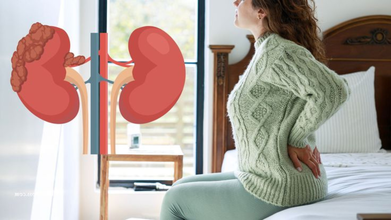
While once considered an old-age disease, experts are now seeing kidney damage in people in their 30s and 40s. The prevalence of CKD in India has jumped significantly, moving from about 11 percent from 2011-17 to over 16 percent from 2018-23 among those aged 15 and above.
Kidneys are remarkably efficient that they can lose a vast majority of their function without causing any pain or noticeable symptoms. By the time physical warning signs such as foot swelling or fatigue appear, the underlying damage has already reached an advanced stage.
What Factors Are Contributing To Kidney Damage In Younger People
- Obesity: Obesity causes kidney disease by forcing the kidneys to overwork (hyperfiltration) to meet the metabolic demands of increased body mass, leading to structural damage. In addition, excess fat causes chronic inflammation, high blood pressure, and insulin resistance, which together damage kidney filters (glomeruli), resulting in protein leakage (albuminuria) and progressive scarring.
- Diabetes And Hypertension: Diabetes damages small blood vessels, causing hypertension (high blood pressure). High blood pressure then accelerate damages to the kidneys' filtering units, called glomeruli, which further worsens blood pressure and kidney function.
- Smoking: It damages the kidneys by constricting blood vessels, reducing blood flow, raising blood pressure, and introducing toxins like cadmium, causing or worsening diabetes-related kidney disease.
- High Salt Intake: Excess salt (sodium) is harmful to the kidneys because it causes the body to retain water, raising blood pressure, which damages the delicate filtering vessels in the kidneys and increases the risk of chronic kidney disease. Contaminated Water Dehydration: Contaminated water has heavy metals such as lead, arsenic, cadmium, and agrochemicals that directly damage renal tubules of the kidneys. Furthermore, they also trigger chronic inflammation and oxidative stress.
Why Early Screening is Important
- Asymptomatic Nature: CKD often shows no symptoms until the kidneys are severely damaged. Screening (eGFR and urine ACR tests) is the only way to detect early damage.
- Preventive Action And Delayed Progression: Early identification enables managing high-risk factors such as blood pressure and blood sugar, which stops or slows down the progression to kidney failure.
- Reduced Complications & Mortality: Early intervention is associated with a 48 percent drop in major cardiovascular events, reducing the high mortality rate associated with renal dysfunction.
- Cost Management And Quality of Life: Detecting CKD early reduces the burden of disease, allowing patients to avoid dialysis or transplantation and preventing catastrophic medical costs.
- High-Risk Target Groups: Individuals with hypertension, diabetes, obesity, or a family history of kidney disease need to be screened annually to prevent progression
Screenings Options
To catch issues early, the article recommends three standard tests:
- Serum Creatinine: A serum creatinine blood test measures the level of a waste product from muscle metabolism to evaluate kidney function. Healthy kidneys filter creatinine; thus, elevated levels often indicate kidney dysfunction, chronic disease, or acute failure. Normal ranges are typically 0.7–1.3 mg/dL for men and 0.6–1.1 mg/dL for women.
- eGFR (Estimated Glomerular Filtration Rate): Estimated Glomerular Filtration Rate (eGFR) is a blood test that measures how well the kidneys filter waste from the blood, indicating the level of kidney function. A result of 90 or higher is generally normal, while consistently low levels (below 60 for 3+ months) indicate chronic kidney disease or potential failure.
- Urine Albumin Test: The test detects early-stage kidney disease (albuminuria/proteinuria) before significant symptoms appear, allowing for earlier intervention to prevent further kidney damage.
Prevention
- Hydration
- Controlling blood sugar/pressure,
- Maintaining a healthy weight
- No to self-medication
- Control Salt Intake
- Balanced diet:
Experts Reveal The Everyday Habits Ruining Your Kidney Function | World Kidney Day
Credit: Canva
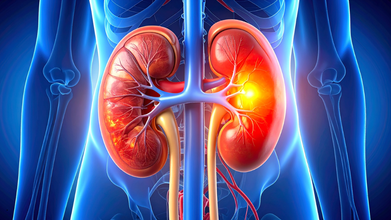
As people across the globe observe World Kidney Day, experts are sounding the alarm over the dangerous everyday habits that are worsening your kidney function and paving the way for the development of chronic conditions.
Dr Neha Bhandari, Senior Consultant, Pediatric Nephrology, Aakash Healthcare exclusively tells Healthandme: "Kidneys are very crucial in ensuring that the body maintains its internal equilibrium by filtering wastes, fluid regulation, electrolytes regulation, and in the process of assisting in blood pressure regulation as well.
"Nevertheless, a number of general living habits that have developed as part of contemporary everyday activity such as high painkiller use, large intake of processed foods and progressively sedentary lifestyles have the potential of slowly damaging the kidney functions. Since the damage of the kidneys frequently happens without any symptoms, and has no symptoms in severe cases, such simple habits can become a serious problem in the long-term, without any treatment."
Dr A K Jayaraj, MBBS, MS (Gen Surgery), MCH (Urology) at Apollo Spectra Hospital, Chennai also told this publication: "From the painkillers people take to relieve pain to the food they eat and the lifestyle they lead, there are a number of factors that can affect the functioning of these small but powerful organs.
"Focusing on these three factors helps keep these internal filters running smoothly by supporting clear blood flow, steady blood pressure, and balanced energy levels."
Here are the habits you need to keep an eye out for to protect your kidneys:
1. The Hidden Danger of Pain Killers
Dr Jayaraj warns that readily-available painkillers meant for headaches and other pains can cause serious damage to the kidneys. He said: "Most individuals have painkillers in their medicine cabinets, ready to be used whenever headaches or muscle aches occur. Painkillers are dangerous to the kidneys, especially when their use is frequent in the long run."Pain killers, such as non-steroidal anti-inflammatory drugs (NSAIDs), are known to constrict the blood vessels that lead to the kidneys. Constricted blood vessels limit the ability of the kidneys to filter blood, and frequent use of painkillers in the long run may lead to scarring or chronic diseases in the kidneys. It is always better to use the lowest
dose possible and look for other alternatives to pain killers, such as physical therapy, bed rest or heat packs."
Moreover, Dr Bhandari added: "In the long run, the continuous intake of these kinds of medicines can cause long-term kidney damage to the person, particularly those who are already predisposed to other conditions like diabetes, high blood pressure, and dehydration or people who already have kidney disease. Overdosing with painkillers may also cause a situation called analgesic nephropathy which involves progressive renal damage and functional weakness of the kidney as a result of constant exposure to the drugs."
2. The Burden of Processed Foods
Multiple studies show that ultra processed foods (UPFs) can be harmful to the heart, brain, liver and overall wellbeing. However, experts also warn that consuming UPFs can be extremely dangerous for kidney health and can cause long-term damage."What a person eats directly affects how hard their kidneys have to work. Modern processed foods are often a "triple threat" because of their high levels of salt, sugar, and chemical additives.
- "High Salt: Processed meats and canned goods are packed with sodium, which raises blood pressure. Since kidneys are filled with delicate blood vessels, high pressure can wear them out quickly.
- "Preservatives: Many packaged snack foods contain preservatives, which are chemicals used to extend the shelf life of the food product. These chemicals are much more difficult for the kidneys to flush out of the system than natural minerals, leading to a buildup of toxins in the blood. Fresh fruits, vegetables, and grains are much better for the kidneys, as they do not contain preservatives," Dr Jayaraj said.
3. The Importance of Fitness
While doctors around the world note that having an active lifestyle can do wonders for both mental and physical health, Dr Bhandari highlights the dangers of not incorporating a workout in your routine.
She tells Healthandme: "Lack of exercise leads to weight gain, poor metabolic health, insulin resistance, and blood pressure all of which are great risk factors of kidney disease. The immobility also impacts circulation and general cardiovascular health, which in turn indirectly impacts on the effectiveness of the kidney functionality needs as adequate blood flow is needed to make the kidney processes effectively.
"Those who work long hours sitting with little physical activity during the time can gradually be a contributor to the disease conditions, which increases the damage to kidneys without thinking of the side effects of the disease in the long term.
"Indirect contribution can also be made by hydration habits. Most people replaced water with sweet drinks or caffeinated ones or soft drinks, which may lead to metabolic disorders and an overload of the kidney. Proper filtration and aiding in the excretion of toxins and metabolic waste into the body is facilitated by the adequate water intake."
"Weight gain and high blood sugar are the primary causes of kidney failure. Daily exercise, such as a 30-minute walk every day, helps the body regulate blood sugar well and maintain healthy blood pressure at all times. This, in turn, does not overwork the kidneys and allows them to perform at optimal capacity," Dr Jayaraj advised.
The Early Warning Signs of Chronic Kidney Disease You Shouldn't Ignore
Credit: Pintrest
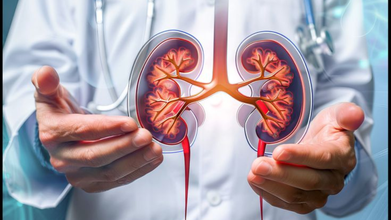
Often referred as a "silent killer," Chronic Kidney Disease (CKD) is a progressive and irreversible condition where the kidneys gradually lose their ability to filter waste and excess fluids from the blood. When the kidneys fail, waste builds up to high levels in your blood, potentially leading to complications like heart disease or stroke.
Recent data from The Lancet and the Global Burden of Disease study reveals that out of nearly 14 crore Indians living with CKD, nearly 40 percent of diabetic patients and 40 percent of those with long-standing hypertension are at risk of developing CKD.
As CKD frequently shows no symptoms until nearly 90 percent of kidney function is already gone, Dr. Visweswar Reddy, Senior Consultant in Nephrology at SRM Prime Hospital, shares early signs everyone should look out for.
Early Signs Of Chronic Kidney Disease
He noted that one of the biggest challenges with kidney disease is that symptoms often appear very late said “Unfortunately, most of these symptoms appear only when more than 90 per cent of kidney function has already been lost.”
- Frothy Urine: Foamy urine refers to urine that appears bubbly or frothy in the toilet bowl indicating high concentrations of protein (proteinuria) from kidney stress.
- Frequent Urination: Rapid urination (or increased frequency/nocturia) is important in kidney disease because it often signals that the kidney's filters are damaged and cannot properly concentrate urine. This dysfunction causes the body to produce more dilute urine, requiring more frequent elimination to remove toxins and manage fluid balance.
- Swollen Feet: Swollen feet (edema) are an early indicator of kidney disease, occurring when damaged kidneys fail to remove excess fluid and sodium from the body. This fluid accumulates in tissues, causing swelling in the ankles, feet, legs, and sometimes the face. Early detection is crucial to prevent further kidney damage
- Loss of appetite and Vomiting: Both loss of appetite (anorexia) and vomiting are common symptoms in kidney disease, affecting 30–50 percent of dialysis patients. It is caused by the buildup of waste products (uremia), toxins, fatigue and cytokines, key drivers of chronic inflammation and fibrosis in both acute and chronic kidney diseases
Importance of early screening
- Irreversibility: As it causes permanent damage detecting it early is the only way to stop or slow down the progression before it reaches total kidney failure.
- Avoiding Dialysis: Timely medical care in the initial stages can preserve enough kidney function to prevent a patient from ever needing dialysis or a kidney transplant.
- Managing High-Risk Links: Since nearly 40% of diabetic patients and 40% of those with long-standing hypertension are at risk of developing CKD, screening allows doctors to catch the damage long before it becomes life-threatening.
Screening Option For Early Detection
Dr. Reddy emphasizes that you don't need complex procedures to check your kidney health. He suggests three basic investigations that provide a clear picture of how the organs are performing:- Serum Creatinine Blood Test: A serum creatinine blood test measures the level of waste product from muscle metabolism to evaluate kidney function. Healthy kidneys filter creatinine; thus, elevated levels often indicate kidney dysfunction, chronic disease, or acute failure. Normal ranges are typically 0.7–1.3 mg/dL for men and 0.6–1.1 mg/dL for women.
- Urine Examination: Urinalysis for kidney function evaluates urine for signs of damage, primarily checking for protein (albumin), blood, and waste products like creatinine to assess filtering capability.
- Blood Sugar Test: He said even a small blood test can be used to monitor for diabetes, which is the leading cause of kidney disease in India.
Who Is At Most Risk
- Individuals with Diabetes: Diabetes is the leading cause of chronic kidney disease, affecting roughly one in three adults with diabetes. High blood sugar damages the small blood vessels and filters (nephrons) in the kidneys over time, causing them to leak protein into urine and lose the ability to filter waste, which can eventually lead to kidney failur
- Those with Hypertension (High Blood Pressure): High blood pressure and kidney disease share a two-way relationship, acting as both cause and effect. Uncontrolled high blood pressure damages delicate kidney blood vessels, leading to chronic kidney disease. Conversely, damaged kidneys cannot regulate blood pressure, which causes hypertension to worsen.
- Family History: Family health is closely linked to kidney disease primarily through shared genetics, hereditary conditions, and shared environmental factors like diet and lifestyle. Having a first-degree relative (parent, sibling) with chronic kidney disease (CKD) or kidney failure significantly increases a person's risk.
- Adults Over 18 with Risk Factors: Even younger adults should be screened if they have any of the underlying conditions mentioned above.
- Follow Us :


© 2024 Bennett, Coleman & Company Limited