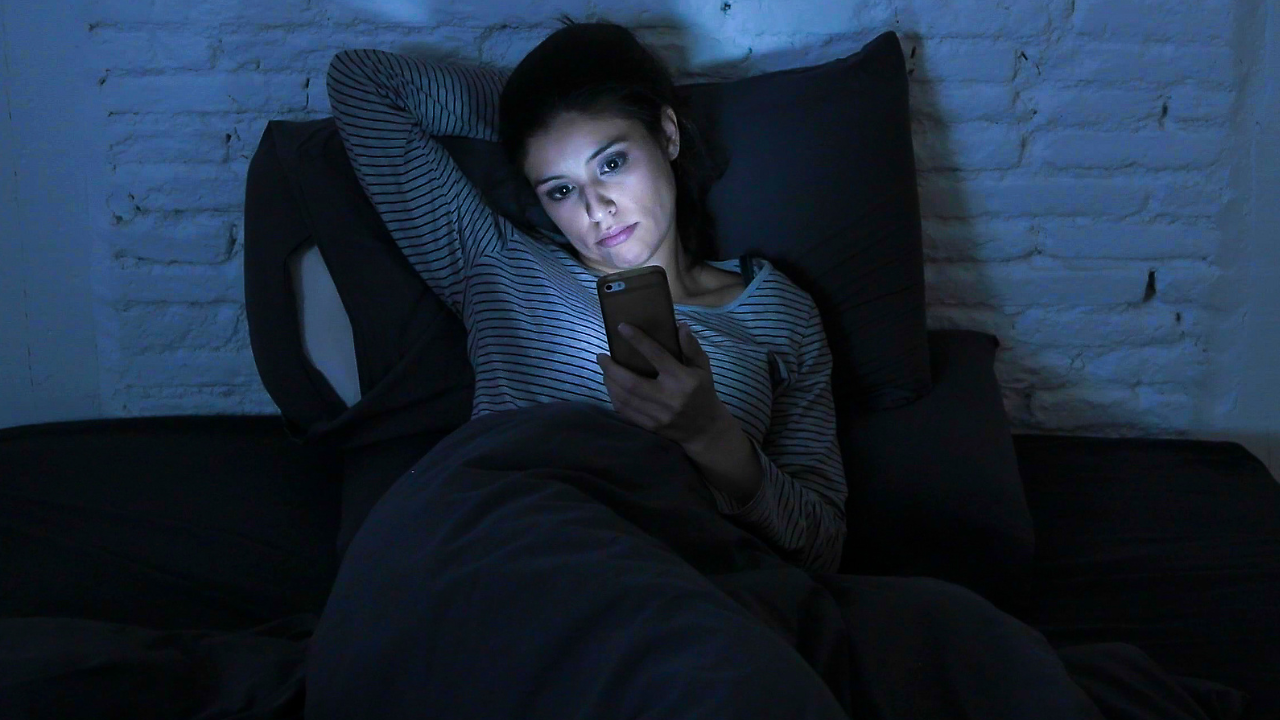
I have often heard a familiar bedtime story: “I picked up my phone for five minutes, and suddenly it was 1 a.m.” The person is exhausted, yet continues scrolling through upsetting news, frightening predictions or other people’s lives.Doomscrolling is not simply a lack of discipline. Our brains are naturally drawn towards possible threats because noticing danger has always supported survival. Each alarming headline tells the nervous system that there may be something important it must understand. The next post promises more information and perhaps a sense of control, so we continue scrolling.How Stress And Anxiety Fuel DoomscrollingAlso read: The Silent Struggle Of Raising A Child With Mental Health Challenges: How Parents Can Cope With StigmaFor someone already carrying stress or past trauma, uncertainty can feel especially difficult. Scanning for information may become the brain’s way of asking, “Am I safe? Is there something I need to prepare for?” Unfortunately, the answer rarely arrives. Instead, every new story introduces another concern.Consider someone who goes to bed after a demanding day. Their body is tired, but their mind has had no opportunity to process what happened. They open social media for relief and encounter distressing content. Their heart rate increases, their thoughts become faster and sleep moves further away. The phone may distract them from uncomfortable feelings temporarily, while also keeping their system alert.Screens can delay sleep by displacing bedtime and exposing us to light, but the emotional content matters too. Anger, fear and comparison create cognitive arousal, the opposite of the slowing down that sleep requires.Simple Ways To Break The Doomscrolling Cycle Rather than imposing a harsh digital ban, begin with a realistic boundary. - Choose a time to stop reading news, charge the phone away from the bed or replace the final 20 minutes of scrolling with something less stimulating. - Dim the lights, stretch gently, listen to familiar music or write down tomorrow’s worries so the brain does not have to keep rehearsing them. - If you slip, respond with curiosity rather than criticism: “What was I trying not to feel, or hoping to find?”When doomscrolling repeatedly disrupts sleep or becomes the main way you manage anxiety, therapy can help explore the need beneath the habit. The aim is not merely to take away the phone, but to help the nervous system discover safer ways to settle.Sometimes, switching off the screen begins with helping the mind believe that it is safe to stop watching.By Ms Arouba Kabir, Psychologist, Founder Enso wellness