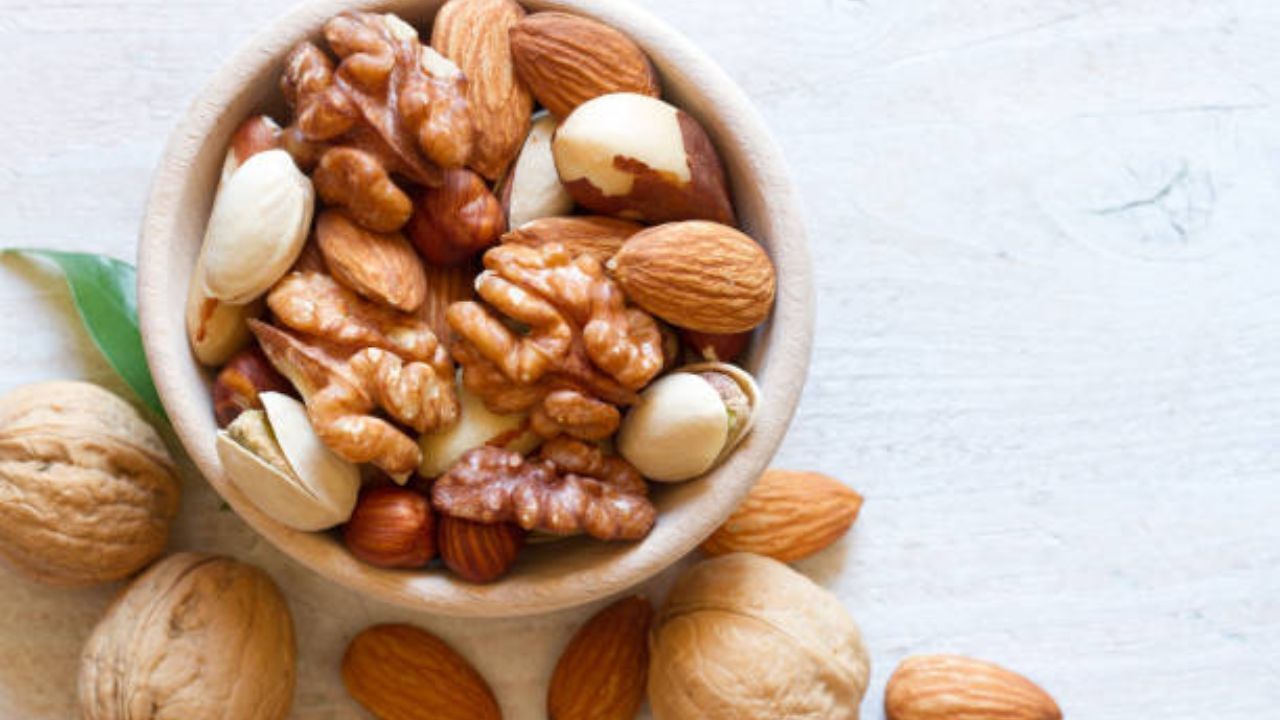
Swapping an afternoon bag of chips for a small handful of almonds or walnuts might do more than curb a craving. A new analysis pooling data from more than 143,000 people found a measurably lower risk of developing high blood pressure among those who eat nuts daily.What the study didResearchers led by Michael Metoudi, with co-authors including Dagfinn Aune of Imperial College London, combined results from eight long-term studies tracking people’s nut-eating habits against whether they later developed hypertension, according to the paper published in the British Journal of Nutrition. They searched two major medical databases for studies published through early April 2026.Eight studies made the cut: three from the US, two from Europe, and three from Asia, together covering 143,380 participants and 20,665 cases of hypertension, with ages spanning 18 to 87. The researchers compared people eating the most nuts against those eating the least, and separately calculated how risk changed for every extra 28 grams of nuts eaten daily, roughly one small handful.What they foundPeople eating the most nuts had a 16% lower hypertension risk than those eating the least, the study found. For every 28 grams of nuts eaten daily, risk dropped by 20%. The relationship wasn’t a straight line, though: benefits grew with intake before levelling off, peaking at a 26% risk reduction around 30 to 35 grams a day, about a handful, which lines up with amounts already recommended in several Western dietary guidelines, Metoudi and Aune wrote in a piece for The Conversation.Also Read: Mounjaro, Zepbound Ingredient Recalled In US Over Sterility ConcernsEating far more than that didn’t appear to add meaningful extra protection, based on the available data. The researchers also checked for publication bias, the risk that unpublished negative studies were skewing the picture, and found no clear sign of it, though they couldn’t rule it out entirely given the small number of studies.Using grading criteria from the World Cancer Research Fund, the team classified the evidence that nuts reduce hypertension risk as “probable,” one step below the highest rating of “convincing.”Why nuts might helpNuts are rich in unsaturated fats, fibre, vitamins, minerals and antioxidant plant compounds, several of which have plausible heart-protective effects, according to the study. Nuts contain L-arginine, which the body converts into nitric oxide, a chemical that helps blood vessels relax. Fibre from nuts can also be broken down by gut bacteria into compounds linked to lower blood pressure, and antioxidant compounds may calm the low-grade inflammation associated with hypertension over time. What’s still unclearNone of the eight studies distinguished between types of nuts, so it’s unclear whether almonds, walnuts, peanuts or cashews behave differently, nor did any record whether the nuts were salted, which matters given how firmly salt is linked to blood pressure. “Since salt raises blood pressure, the true benefit of unsalted nuts may even be larger than reported,” Kassam and Aune wrote in The Conversation.