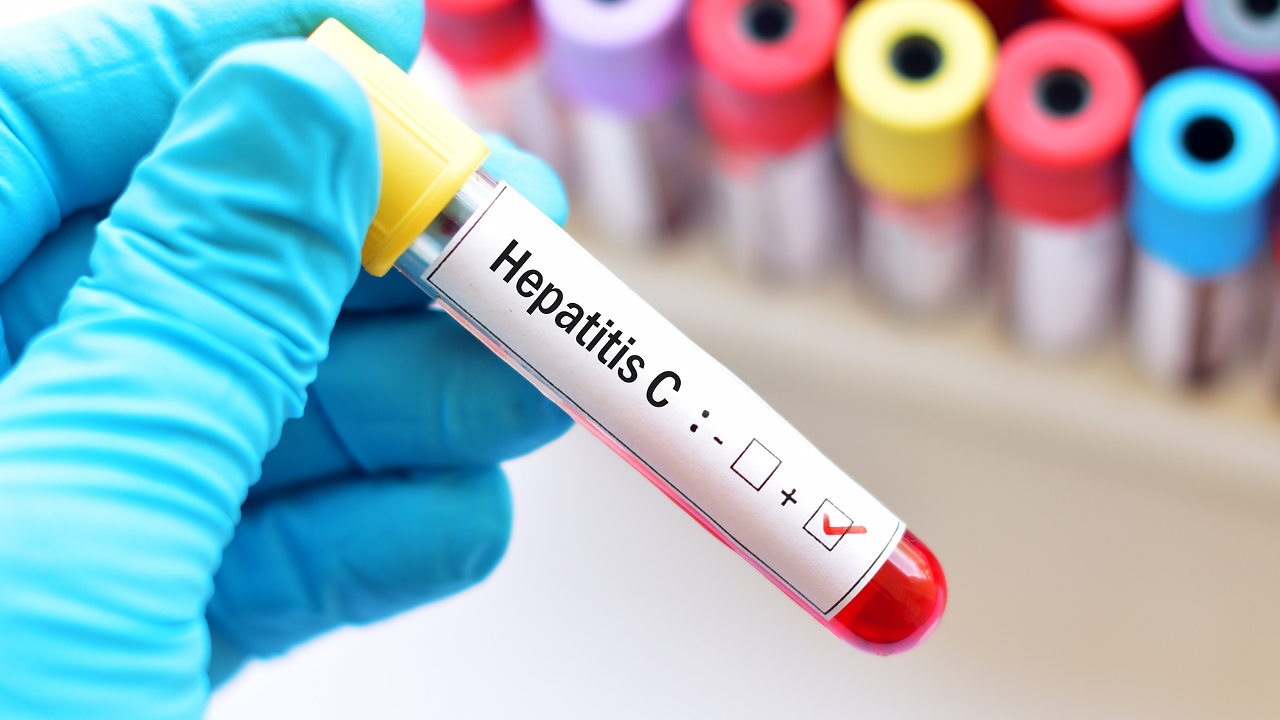
India faces a substantial hepatitis C burden, with the World Health Organization (WHO) estimating that 5.5 million to 12 million people are living with chronic hepatitis C virus (HCV) infection. Untreated chronic HCV infection can lead to liver scarring, cirrhosis and liver cancer. Could shortening treatment by four weeks help more patients access a cure? A multi-center trial led by researchers from the Indian Council of Medical Research (ICMR) found that an eight-week course of a commonly used antiviral combination was as effective as the standard 12-week regimen in patients without cirrhosis. Published in The Lancet, the findings could have implications for treatment costs and access to care. The treatment combines sofosbuvir (400 mg) and velpatasvir (100 mg), two direct-acting antivirals that target the hepatitis C virus. What Did The Indian Trial Find? Also read: Punjab To Start Screening For HIV, Hepatitis B & C At De-Addiction CentresThe RESOLVE trial, led by researchers from Sanjay Gandhi Postgraduate Institute of Medical Sciences (SGPGIMS), Lucknow, evaluated whether eight weeks of sofosbuvir and velpatasvir could match the effectiveness of the standard 12-week course. The trial enrolled 880 patients without cirrhosis across five publicly funded hospitals in Lucknow, New Delhi and Varanasi. Half received the combination for eight weeks, while the other half received it for 12 weeks. Among participants who completed treatment and follow-up, 98.8% in the eight-week group achieved a sustained virological response, compared with 99% in the 12-week group. This means the virus remained undetectable after treatment, indicating a cure. The researchers found that the shorter regimen was non-inferior to the standard course, meaning it was not less effective beyond the trial's prespecified statistical margin. The study also reported no drug-related serious adverse events or treatment discontinuations due to adverse events. How Shorter Treatment Help Reduce Hepatitis C Burden In India? Direct-acting antivirals transformed hepatitis C treatment nearly a decade ago, making it possible to cure most patients with relatively few side effects. However, treatment costs and access remain important considerations for large public health programmes. A 12-week course of sofosbuvir and velpatasvir costs approximately ₹15,000. Shortening treatment by four weeks could save around ₹5,000 per patient. If adopted for a population of 60 lakh people requiring treatment, the shorter regimen could potentially save ₹3,000 crore. However, these are projected savings, and the actual impact would depend on patient eligibility, treatment costs and adoption in clinical practice. Who Can Receive The Shorter Treatment? The findings apply to patients without cirrhosis, as the trial excluded those with the condition. Patients with cirrhosis may require different treatment approaches depending on the severity of their liver disease and other clinical factors. The trial's results do not mean that everyone with hepatitis C can switch to an eight-week course. Further evaluation and changes to relevant clinical guidance may be needed before the shorter regimen becomes routine practice. Patients should consult their treating physician before making any changes to their prescribed treatment. How Does Hepatitis C Spread? Hepatitis C can cause illness ranging from mild infection to serious, long-term liver disease. Although some acute infections resolve spontaneously, chronic infection can progress to cirrhosis and hepatocellular carcinoma, a type of liver cancer. The virus can spread through infected blood, including via shared needles and unscreened blood transfusions. Perinatal transmission is an important route of HCV acquisition in children. Early detection can help identify infected infants and ensure appropriate follow-up.