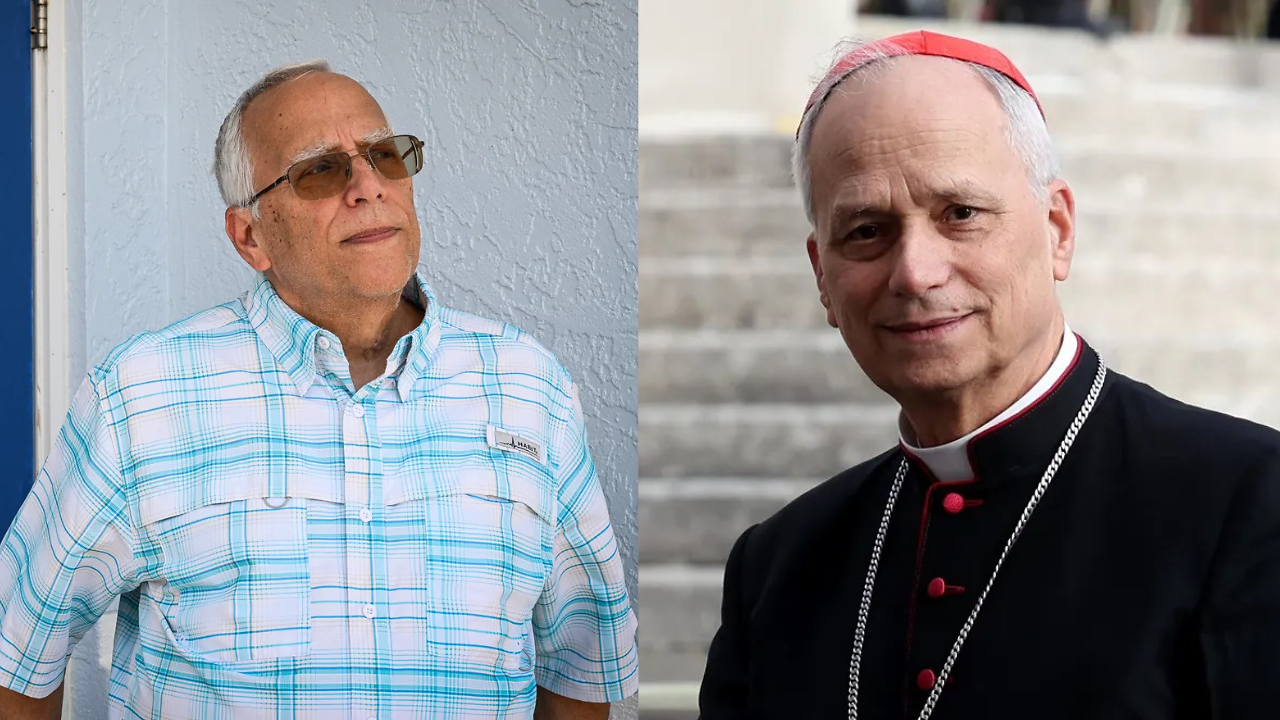
Days after announcing that Pope Leo XIV will have surgery to have a lung nodule removed, he got a confirmed diagnosis of lung cancer. According to reports, he underwent surgery to have the lower lobe of his right lung removed. The update comes as the 71-year-old pontiff's older brother, Louis Prevost, is undergoing treatment for relapsed multiple myeloma. The developments have brought attention to two different cancers affecting the papal family.Pope Leo XIV's Lung Cancer DiagnosisThe pope underwent the procedure at Rome's Gemelli Hospital on October 13. According to the Vatican, tests confirmed lung adenocarcinoma, a type of cancer that develops in the cells lining the lungs.The Vatican said in a medical bulletin, "The surgery was successful, and there were no complications." The operation lasted approximately 90 minutes, and the pope subsequently returned to his hospital room. Pope Leo had announced on October 11 that doctors had discovered a lung nodule during routine medical examinations. He said the abnormality was detected early and that doctors recommended surgery to remove it."Dear friends, during some recent medical examinations, the doctors found a small, localized nodule in my lung. It was detected at a very early stage and is well-localized," he said.He added, “The doctors believe it is advisable to intervene, so, following their advice, I have decided to undergo surgery to remove it. The operation is already scheduled for the next few days.” The Vatican has not yet disclosed Pope Leo's cancer's stage or whether it has metastatised to other parts of the body. Further testing, including examination of the lymph nodes, will help doctors determine the extent of the disease and whether additional treatment is necessary.Also read: Pope Leo XIV Will Undergo Lung Nodule Surgery: When Does Removal Become NecessaryWhat Is Lung Adenocarcinoma?Lung adenocarcinoma is the most common type of lung cancer. It develops in glandular cells that produce substances like mucus. It is classified as a non-small cell lung cancer.Although it is frequently linked with smoking, it can also occur in people who have never smoked. Other risk factors include exposure to radon, second-hand smoke and certain workplace carcinogens.Symptoms may include a persistent cough, coughing up blood, chest pain, breathlessness and unexplained weight loss. Early-stage disease may cause no noticeable symptoms but it can be detected through imaging and scans.Treatment largely depends on the cancer's stage, location and characteristics of the tumour. Surgery to remove the affected portion of the lung is a common treatment strategy when the tumour is localised. Chemotherapy, immunotherapy or targeted therapies may be considered depending on further findings.In Pope Leo's case, the lower lobe of his right lung was removed. The results of further tests will help establish whether surgery alone is sufficient.Also read: How Does Second-hand Smoke Exposure Increase The Risk Of Lung Cancer In People Who Have Never Smoked Themselves?Pope's Brother Louis Prevost's Multiple Myeloma Relapsed Meanwhile, the pope's older brother, Louis Prevost, is receiving treatment for multiple myeloma, a blood cancer that affects plasma cells in the bone marrow. His wife, Deborah Prevost, told CBS News that he was first diagnosed in 2017.Treatment in 2019, which included stem cell treatment and participation in a clinical trial, helped keep the disease at a "very low level". However, she said he "fell out of remission" approximately three months ago. He is now participating in another clinical trial at a local hospital in Florida.Multiple myeloma develops when abnormal plasma cells multiply in the bone marrow, interfering with normal blood cell production and damaging bones and kidneys. Symptoms can include bone pain, fatigue, frequent infections, anaemia and kidney problems. Unlike lung adenocarcinoma, which forms a solid tumour in lung tissue, multiple myeloma is a cancer of plasma cells. It is generally considered treatable but not usually curable, and the disease can return after periods of remission.Speaking about the family's situation, Deborah said, "We keep praying, keeping spirits up for both of them."