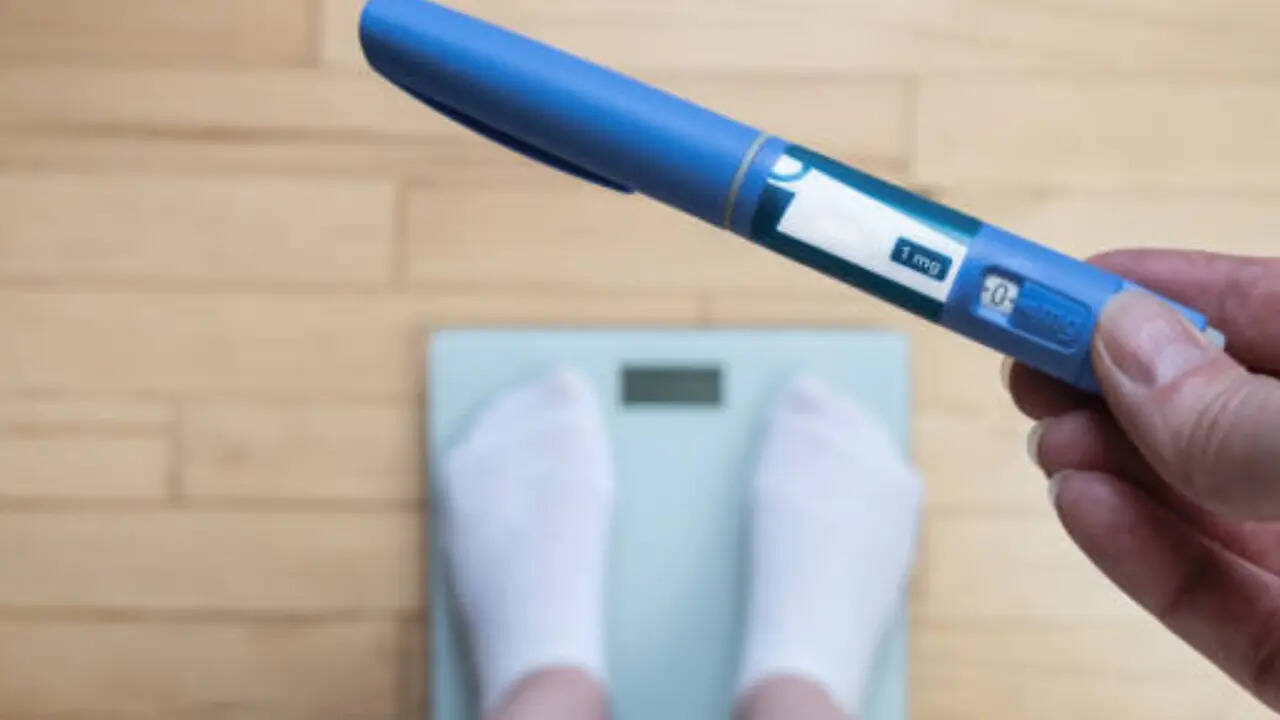
For many individuals, the most frustrating part of weight loss is not the effort; it is the lack of results. Strict diets are followed, workouts are consistent, and routines are maintained with discipline, yet the scale refuses to move in a meaningful way. What appears, on the surface, to be a failure of method is often a reflection of how the body is designed to respond.Weight loss process explainedDr V G Mohan Prasad, M.D., D.M. (Gastro), FASGE, FRCP(E), FICP, FSGEI, Senior Consultant Gastroenterologist, Hepatologist & Therapeutic Endoscopist, VGM Hospital, Tamil Nadu, in an interaction with Health and Me, said, "Weight loss is not a straightforward process of cutting calories. When food intake is reduced, the body does not simply comply; it adapts. Metabolism slows down, energy is conserved, and hunger signals become stronger. Over time, particularly in those who have gone through repeated cycles of dieting, the body becomes more efficient at holding on to energy. This adaptive response can create a situation where effort continues, but progress stalls."At the same time, fat loss does not occur uniformly. Certain areas of the body, especially abdominal fat, are more resistant due to hormonal influences. This often leads to a mismatch between internal metabolic improvements and visible physical changes, making it seem as though nothing is working, even when the body is undergoing shifts beneath the surface.The role of metabolic healthMetabolic health also plays a defining role. Two individuals following identical routines can have very different outcomes depending on factors such as insulin sensitivity, muscle composition, and inflammation levels. In some cases, underlying medical conditions or long-term medication use can further complicate the process, making conventional approaches less effective.The ideal weight loss strategyWhat this highlights is a need to move beyond standardised weight-loss strategies. When the body resists, simply intensifying effort is rarely the solution. Instead, it calls for a more targeted and individualised approach that takes these biological responses into account.This is where advancements in medical science are beginning to bridge the gap. Alongside lifestyle changes, minimally invasive procedures using endoscopic techniques through the mouth, thereby obviating the need for surgery, are increasingly being used to support individuals who struggle despite sustained efforts. Endoscopic sleeve gastroplasty (ESG), for instance, works by reducing stomach volume and delaying the emptying of the stomach, helping individuals feel full sooner and sustain dietary changes over time. Another endoscopic technique is the placement of an intragastric balloon in the stomach, which promotes portion control and supports behavioural modification.For those who have previously undergone bariatric surgery and are experiencing weight regain, endoscopic transoral outlet reduction (TORe) helps restore satiety by reducing the size of the gastric outlet.These interventions are not designed to replace healthy habits but to work alongside them, particularly in cases where biological resistance makes progress difficult. They reflect a broader shift in how weight management is being understood—not as a one-size-fits-all process, but as something that requires alignment between effort and how the body responds.Failure to lose weight is a reminder that the body is not a simple system and that effective solutions must take its complexity into account.