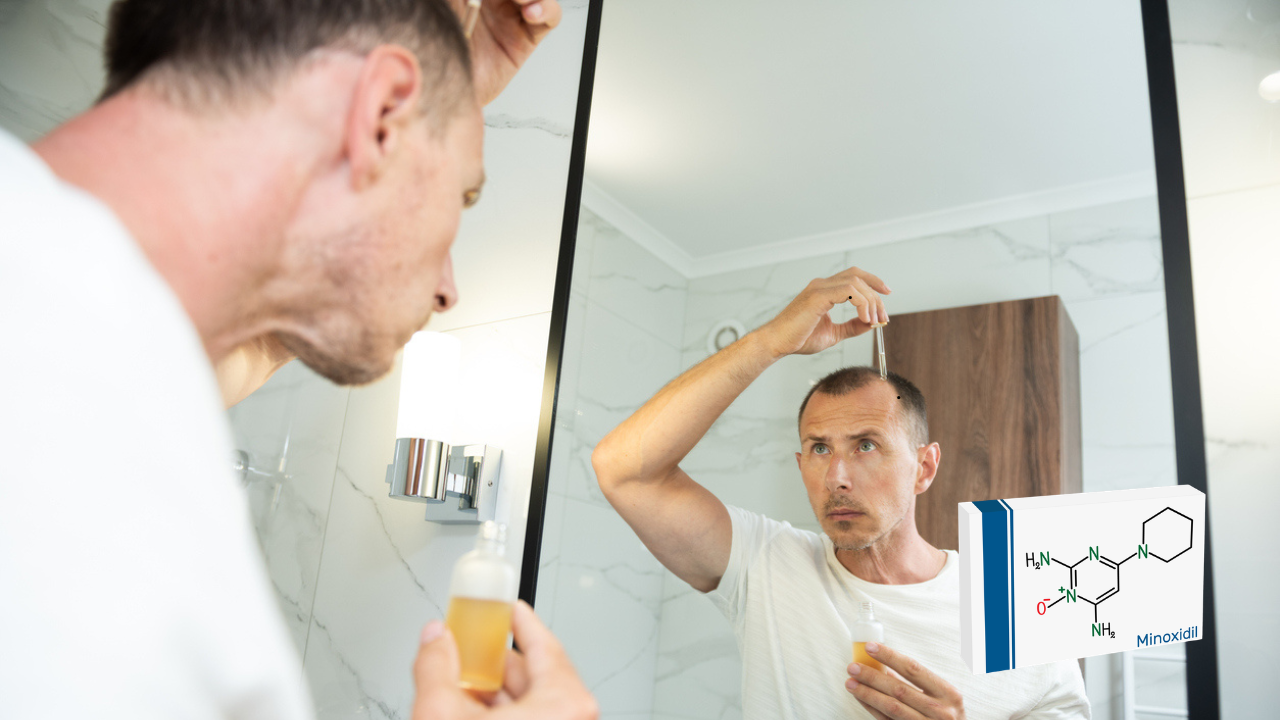
Rebecca Pinto, physiotherapist and nutritionist shared a video on her Instagram account where she cites a case of a man who used hair loss treatment and was admitted to hospital on complain of chest pain. She points out that not everything that is available over the counter is safe to use. She says the key ingredients in many easily available hair loss treatment is minoxidil, which could trigger chest pain or angina as it can lower blood pressure. View this post on Instagram A post shared by Rebbecca (@dr.rebeccapinto)]]> Health and Me spoke to Dr Sanjay Bhat, Sr Consultant, Interventional Cardiology at Aster CMI Hospital, Bengaluru to fact check this claim and here is what we found out.Also Read: AIIMS And ISRO Sign MoU To Advance Research In Space Medicine Fact Check: Can Minoxidil Cause Severe Chest Pain?Health and Me asked Dr Bhat if this easily available ingredient could actually cause someone’s life. To this, Dr Bhat explained that it is a commonly used medicine for treating hair loss and is easily available in many pharmacies as a topical solution or form. He said it works by improving blood flow to the hair follicles and helping hair grow. “When used on the scalp as recommended, it is generally safe for most people. However, long-term or excessive use may sometimes cause side effects. Some people may absorb a small amount of the medicine into the bloodstream, which can affect the heart and blood vessels,” he explains. This could lead to symptoms such as chest pain, rapid heartbeat, dizziness, swelling of the hands or feet, or low blood pressure. “In rare cases, people may go to the emergency room if they feel severe chest discomfort or palpitations. Long-term use without medical advice may also cause scalp irritation or unwanted hair growth on other parts of the body. Therefore, it is important to use minoxidil only as directed and consult a doctor if unusual symptoms appear,” he said. What To Do If You Feel Chest Pain While Using Minoxidil?Doctor explains, “If a person develops chest pain after using Minoxidil, the first step is to stop using the medicine and seek medical attention immediately. Doctors will first evaluate the patient to make sure the chest pain is not due to a serious heart problem. This usually includes checking blood pressure, heart rate, oxygen levels, and performing tests such as an electrocardiogram (ECG) and blood tests.”If minoxidil is suspected to be the cause, treatment mainly focuses on managing the symptoms. Doctors could also give medicines to control heart rate, reduce palpitations, or stabilize blood pressure. Depending on the reports, if the patient has fluid retention or swelling, diuretics may be prescribed to remove excess fluid from the body. Patients may also be monitored in the hospital for a short time if symptoms are severe. Once the symptoms settle, doctors usually advise avoiding minoxidil and may suggest safer alternative treatments for hair loss. Are There Any Alternative Hair Loss Treatment Without Minoxidil?The answer is yes. Dr Bhat points out Finasteride, an oral medicine to be one of the common alternatives to minoxidil for hair loss treatments. This medicine works by reducing the hormone DHT, which is linked to male pattern baldness. This also helps in slowing down the hair loss and promoting regrowth. Platelet Rich Plasma Therapy: This is another alternative available points out Dr Bhat. This is when blood is processed and injected into the scalp to stimulate hair follicles and improve hair thickness. He also pointed out that doctors often recommend Low Level Laser Therapy, which is a painless treatment using red light lasers to improve blood flow to hair follicles and encourage hair growth. Lastly, Hair Transplant Surgery is another option for people facing significant hair loss, where follicles from one part of the scalp are moved to bald areas. “In addition, treatments such as microneedling, nutritional supplements, and treatment of underlying medical conditions may also help improve hair growth,” points out Dr Bhat.