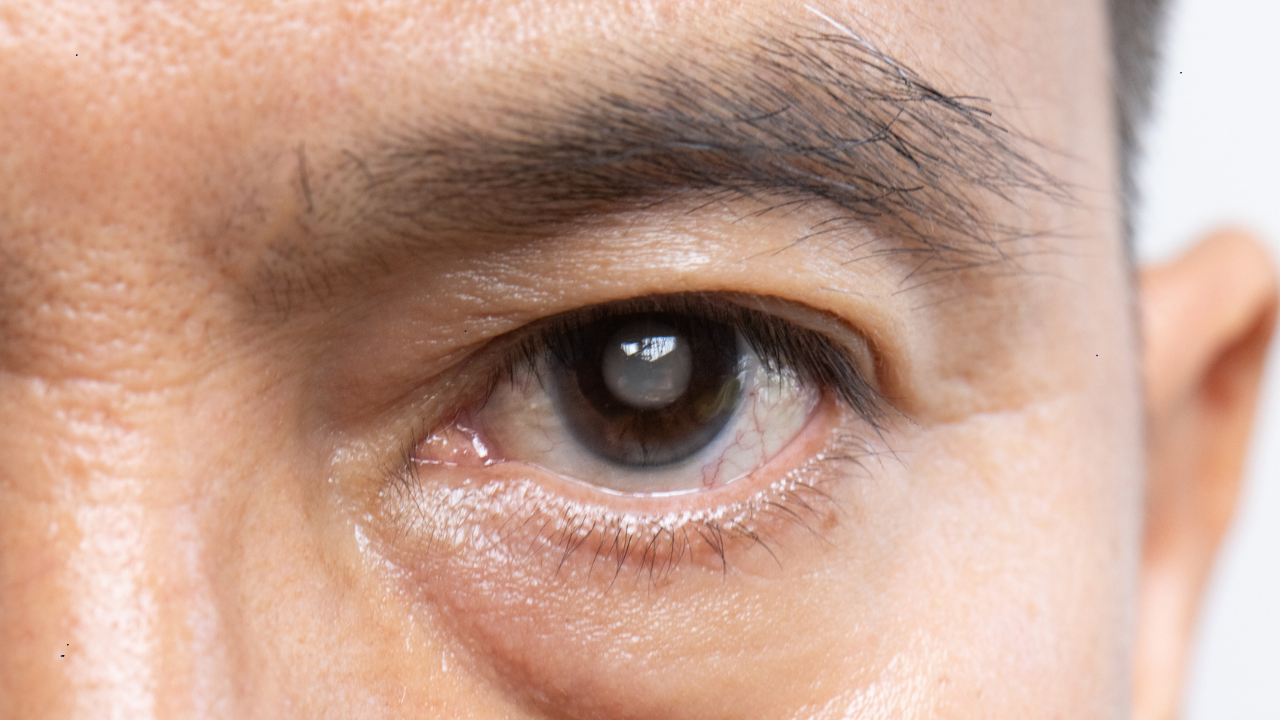
Once seen only among the elderly, glaucoma, also known as irreversible blindness, is increasing among younger adults in their 20s and 30s, said experts.Glaucoma is a chronic disease that affects an estimated 80 million individuals globally, according to the World Glaucoma Association.Beyond the role of genetics, unhealthy lifestyles with increased screen time and stress are the major reasons for the rise in glaucoma cases in young adults."We have seen an increasing incidence of glaucoma among younger adults in their 20s and 30s because of lifestyle habits such as increased screen time and lack of sleep, an increase in diabetes and high blood pressure, and a genetic predisposition," Dr. Mahipal Singh Sachdev, Chairman & Medical Director, Centre For Sight Group of Eye Hospitals, told HealthandMe.Why Is Treatment Difficult A major challenge with glaucoma is its lack of symptoms in the initial stages. As a result, the condition is often diagnosed at an advanced stage, where treatment yields the least results.More than 75 percent of glaucoma cases globally remain undiagnosed. Although the condition does not directly lead to mortality, glaucoma-led blindness is categorized as a severe form of disability (category VI) out of seven World Health Organization (WHO) classifications on the global burden of diseases."Often referred to as a silent thief of sight, glaucoma usually has no warning signs until the damage to the optic nerve has already caused permanent vision loss," Sachdev said."Because there are no noticeable symptoms in the early stages of glaucoma, many people have been unaware that they are developing it until it has progressed to a point where there is already significant damage and vision loss; this often translates to blindness," he added.However, increased awareness of glaucoma and increased frequency of eye examinations have helped reduce the time between the onset of the disease and the diagnosis, the expert said.Glaucoma: Are Children At Risk?Although rare, children can be born with congenital or paediatric glaucoma as a result of ocular drainage abnormalities.Dr Devindra Sood, Senior Consultant — Ophthalmology, Max Multi Speciality Centre, Panchsheel Park, told HealthandMe that glaucoma in children is uncommon."Its presentation for diagnosis and treatment is also different from that in adults," Sood said.The symptoms of pediatric glaucoma include:enlargement of the globe,excessive lacrimation,photophobia, corneal cloudiness.Sood stated that traditionally, large eyes are considered to harbor glaucoma. These children usually do not respond to medical treatment, and surgical intervention is required. However, early detection and treatment of congenital glaucoma are vital to reducing the risk of permanent visual impairment, Sachdeva said.Glaucoma: A Global Health Burden It is a progressive, degenerative disorder of the optic nerve that produces characteristic visual field damage.The chronic disease affects an estimated 80 million individuals globally. By the year 2040, it is estimated that there will be 22 million individuals worldwide who are blind from glaucoma.In India, around 12 million people suffer from glaucoma, and 1.5 million are blind due to it.When to see a doctor for glaucoma:• Vision suddenly gets blurry• Severe eye pain• Headache• Nausea• Vomiting• Rainbow-colored rings or halos around lights.