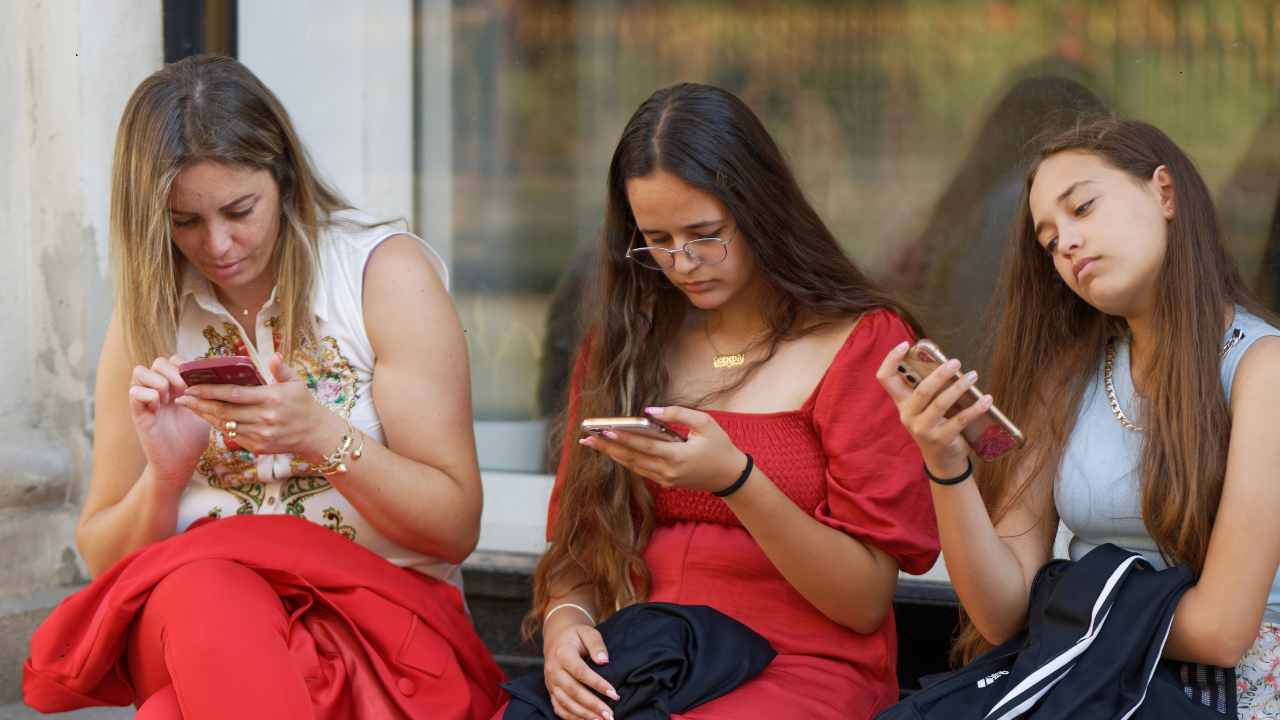
Ever tried logging off social media platforms like Facebook and Instagram? For many, checking notifications, scrolling through feeds, and engaging with content has become second nature, often leading to an unnoticed addiction.While digital dependence can significantly impact mental health, relationships, and overall well-being, most people don’t realize how much time they’re actually spending online.To understand its effects, researchers at Stanford University in the US asked the 36,000 study participants to log off on weekends from their Facebook and Instagram accounts. The results showed that the people who stayed off felt measurably better. Disconnecting from social media was seen as a powerful way to regain balance and focus in the increasingly connected world. The study split participants into groups: about 275 were paid to deactivate their accounts for six weeks, while others logged off for just one week. Both groups showed improved emotional well-being compared to those who kept scrolling, but the effect was more pronounced for Facebook users who went longer without it. Facebook users over 35 showed the biggest mood improvements, while among Instagram users, the 18-to-24 group benefited most. Also read: Is India Set To Implement A Social Media Ban For Children?Social Media And Mental HealthAn increasing number of studies and the community at large are convinced that social media are detrimental to our mental health and general well-being. According to a recent YouGov poll taken in the UK in January 2026, 37 percent of adults gave a general negative review of social media's impact on their mental health, more than twice the number of people who say otherwise. Merely 14 percent of them admitted to receiving a positive effect from social media on their mental health. The Pew Research Center survey, conducted in 2024, discloses that 45 percent of US teenagers think social media is damaging their sleep, and 40 percent believe it is hurting their productivity, which are both key factors of mental health. In 2023, former US Surgeon General Vivek Murthy named social media as a major threat to the mental health of teens. He also released a social media advisory about social media and mental health. The advisory indicates that frequent social media use could be associated with changes in parts of the brain related to emotions and learning. Additionally, it can affect impulse control, social behavior, emotional regulation, and sensitivity to social punishments and rewards. Read More: The Cost Of Social Media Addiction: Study Says It Can Give Kids Eating Disorders In serious cases, social media can also contribute to self-harm or suicidal thoughts, especially among teens and children facing cyberbullying or trolling. Young people are particularly vulnerable to online pressures, negative comparisons, and feelings of rejection. “Excessive social media exposure has been linked to anxiety, depression, sleep disruption, and, most importantly, difficulty with regulating attention and emotions. Algorithms intensify comparison, validation-seeking, and exposure to harmful content, which children lack the maturity to process,” Dr. Sachin Pradeep Baliga, Associate Consultant Mental Health & Behavioural Sciences, Fortis Healthcare, told HealthandMe. Is Quitting The Only Option?According to mental health experts, moderation and mindfully controlled usage could be the key. \It is far more effective to come up with a plan that helps your interaction with social media platforms be healthier, such as limiting your time on social media platforms, avoiding harmful content, and pursuing real-world connections, rather than completely demonizing social media.