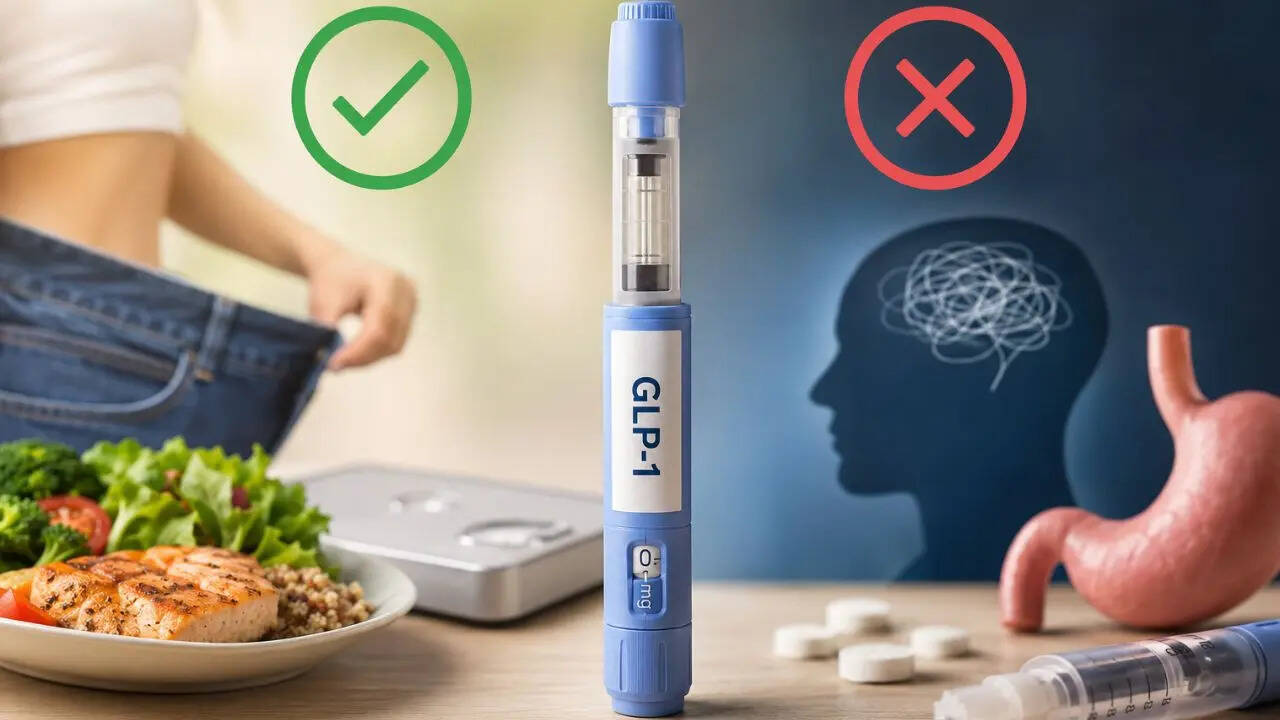
As GLP-1 medications such as semaglutide (Ozempic, Wegovy) and tirzepatide (Mounjaro, Zepbound) continue to help manage metabolic disorders and obesity, a new trend is rapidly gaining traction on social media - GLP-1 microdosing. Instead of taking the prescribed doses approved for diabetes or obesity, some users are deliberately taking much smaller amounts, claiming they can lose weight, reduce food noise, avoid side effects, save money, or even improve longevity. However, experts warn that there is currently little scientific evidence that GLP-1 microdosing is safe or even effective. What Is GLP-1 Microdosing? GLP-1 microdosing refers to taking doses that are significantly lower than those evaluated in clinical trials. Some people reduce their dose by extending the time between injections, counting "clicks" on injection pens instead of using prescribed doses, or taking customized low-dose formulations. HealthandMe spoke to Dr. Shehla Shaikh, Consultant Endocrinologist, Saifee Hospital, Mumbai, about the trend of GLP-1 microdosing. Dr. Shaikh says, "The lowest dose that is supported by evidence for semaglutide is 0 25 mg. While, for tirzepatide, it is 2 5 mg Some people are using much smaller amounts for example using nine clicks on a semaglutide pen which gives about 0 06 mg. Now there are no randomized studies or clear guidelines that show if this kind of micro-dosing is safe or works."Also read: Can GLP-1 Drugs Like Ozempic, Mounjaro Cause Hair Loss? Study Says It's Rare But Real Medical experts caution that these practices fall outside approved prescribing guidelines and have not been rigorously studied. The expert says, "One big worry is how accurate the dose is. These injectable pens are made to give set approved amounts; not amounts based on people counting clicks. Even a small mistake in counting can mean taking too little medicine which may not work well or too much, which could cause more problems. Since these instructions are complicated, they need careful handling good eyesight and understanding of the device." Why Are People Trying It? Fewer Side Effects GLP-1 medications commonly cause nausea, vomiting, constipation, diarrhea and acid reflux, especially when dose is escalated. Many users believe lower doses may make treatment tolerable. Lower Cost These medications are expensive in various countries. So, people stretch a single prescription by taking less medication than prescribed. Weight Maintenance Rather than pursuing significant weight loss, some users say they simply want to maintain previous results or reduce constant food cravings without taking full doses. Longevity Claims Online influencers have begun promoting low-dose GLP-1s as potential "longevity drugs." While GLP-1 medications show promise for heart and metabolic health, experts stress that these benefits have only been demonstrated using clinically tested doses, not microdoses.Also read: Novo Nordisk Sues Eli Lilly Over Weight-Loss Drug Ads: Should GLP-1 Users Be Concerned? The Risks of Microdosing Reduced Effectiveness Taking too little medication may fail to adequately suppress appetite, improve blood sugar levels, or achieve meaningful weight loss. Dr. Shaikh says, "People often choose microdosing because they want to avoid problems reduce appetite with a smaller dose or make a costly medicine last longer. While smaller amounts might help a bit, current information shows that the best and steadiest results come from following the approved ways to take the medicine. Using doses that are too low might not give the results to people who want to lose weight or manage their metabolic health." Delayed Medical Treatment Or Risk Of Expiration Experts also say that people with obesity or diabetes could unknowingly receive suboptimal treatment while believing they are protected. Another problem is how long the medicine lasts after it is opened. Dr. Shaikh explains, "An opened semaglutide pen should be used within 60 days while an opened tirzepatide pen should be used within 30 days. Because microdosing uses the medicine over a longer time, people might keep using it past the time it is safe which could change how good it is." Inaccurate Dosing Also read: Could GLP-1 Weight Loss Drugs Help People Take Fewer Sick Days? New Study Says SoSome users manually estimate doses by counting injection pen clicks. Experts warn these devices are designed to deliver specific calibrated doses, making partial dosing unreliable. The expert says, "Some people think micro-dosing gives similar benefits with fewer problems or lower costs, but this practice has no scientific support and might have several dangers."