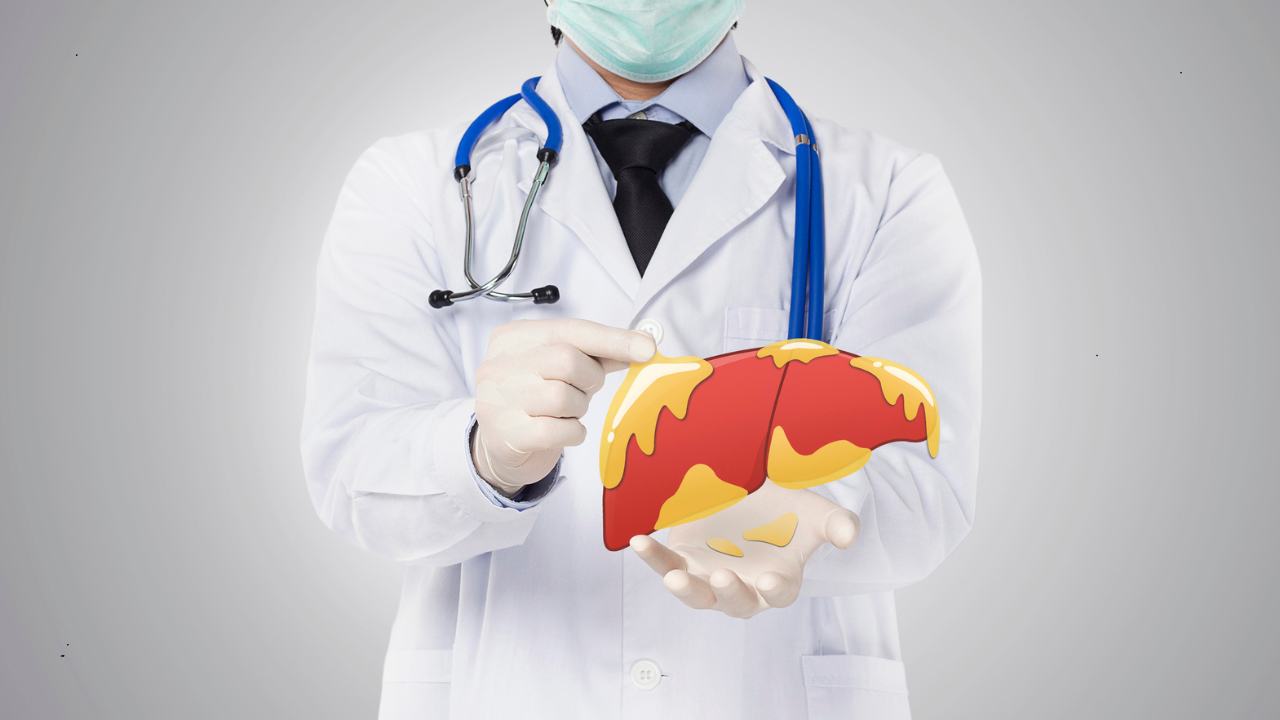
For years, excess weight has been considered one of the biggest risk factors for fatty liver disease. However, doctors are now seeing a growing number of Indians being diagnosed with Grade-1 fatty liver despite having a normal or only slightly elevated body mass index (BMI). The emerging pattern is challenging the long-held belief that only people with obesity are at risk. Ahead of the World Hepatitis Day, observed every year on July 28, the health experts said it highlights the need to look beyond the number on the weighing scale, as excess abdominal fat, insulin resistance, poor diet, sedentary lifestyles, and genetic predisposition are increasingly being linked to early liver damage. Hidden Metabolic Problems, Not Just Obesity Speaking to HealthandMe, Dr. Pankaj Sharma, Director of Dept. Robotics, Bariatric, Laparoscopic and General Surgery, Fortis Hospital, Shalimar Bagh, said the trend reflects the rise of hidden metabolic problems rather than visible obesity. "Many Indians develop excess fat around internal organs even when their BMI is within the normal range. Sedentary lifestyles, processed foods, sugary drinks, poor sleep and insulin resistance all contribute to fat accumulation in the liver. Grade-1 fatty liver is often the body's first signal that metabolic health is beginning to suffer," he said. The doctors highlighted that many Indians develop visceral fat despite having a normal BMI, making them vulnerable to metabolic disorders. This means a healthy weight alone does not always translate to a healthy liver. Also read: 1 In 4 Diabetic Patients in India Suffer from Liver Fibrosis, Finds Lancet StudyFatty Liver Can Affect Fertility Too The effects of fatty liver may extend beyond liver health, said Dr. Shobha Gupta, Medical Director and Infertility Specialist at Mother's Lap IVF Centre, Pitampura, New Delhi. She noted that metabolic disorders are increasingly affecting fertility in younger adults. "Fatty liver is often part of a larger metabolic imbalance. In women, it may coexist with insulin resistance and PCOS, affecting ovulation, while in men, poor metabolic health can compromise sperm quality. Improving metabolic fitness before conception can support both fertility and a healthier pregnancy," she told HealthandMe. Doctors also recommend assessing liver and overall metabolic health early during fertility treatment. Is the Condition Reversible? The experts emphasized that Grade-1 fatty liver is one of the few lifestyle-related conditions that can often be reversed if detected early. "Instead of waiting for symptoms, people should pay attention to routine health check-ups, stay physically active and make sustainable lifestyle changes. Prevention is always easier than treating advanced liver disease," Dr. Sharma said. Doctors recommend regular exercise, a balanced diet, maintaining a healthy waistline, and controlling blood sugar and cholesterol to prevent further liver damage. What Is Grade-1 Fatty Liver? Read More: NAFLD to MASLD: Experts Explain Why This Common Yet Dangerous Liver Condition Got Renamed Grade-1 fatty liver, also known as mild steatosis, is the earliest and usually reversible stage of fatty liver disease. In this stage, about 5-10% of the liver contains excess fat. If left untreated, the disease can progress to liver fibrosis, where scar tissue gradually replaces healthy liver tissue due to chronic inflammation. Advanced fibrosis can eventually lead to irreversible liver damage (cirrhosis), increasing the risk of liver failure and liver cancer. Grade-1 Fatty Liver: Key Symptoms The doctors warned that liver disease often remains unnoticed until it has significantly progressed. But some people may experience: Fatigue Discomfort in the upper right abdomen High triglyceride levels Unexplained weight gain Impaired blood sugar control Grade-1 Fatty Liver: How Is It Diagnosed? Doctors may diagnose fatty liver using a combination of: Blood tests, including liver enzymes (ALT and AST) Lipid profile Blood sugar tests Ultrasound CT or MRI scan FibroScan.