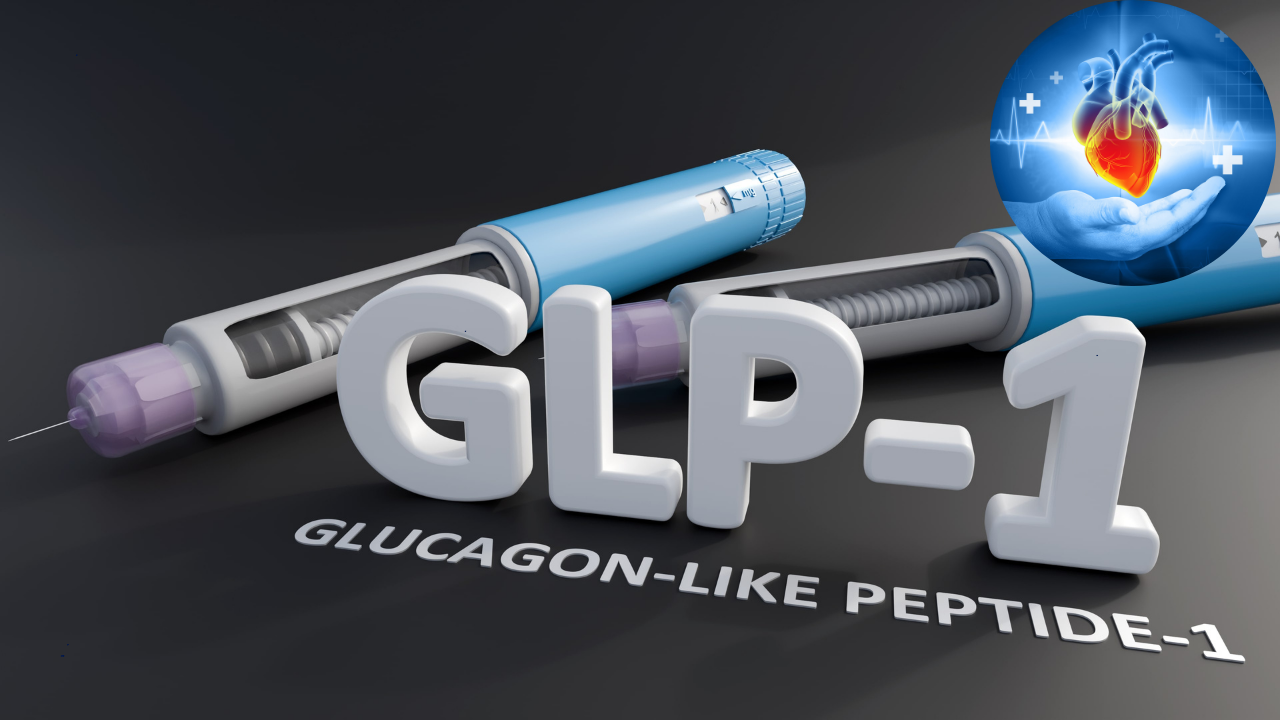
Diabetes is not only a disorder affecting blood sugar levels, but it also increases the risk of heart disease. People who have diabetes are more prone to get affected by heart attack, stroke, high blood pressure, and blockage of arteries than people without diabetes. Because of this strong link, diabetes care needs a focus on both blood sugar control and heart care.One of the biggest improvements in diabetes care is the use of GLP-1 receptor agonist therapies. These medications not only help to control sugars but also reduce the risk of heart disease. When a person combines GLP-1 treatment along with a healthy lifestyle, they can improve their overall well-being and lead a good quality of life.Understanding the Link Between Type 2 Diabetes and Heart DiseaseType 2 diabetes and heart disease are interlinked. Diabetes increases heart disease risk by 2 to 4 times. Over a period of time, when the sugars are chronically high, blood vessels and nerves that support the heart get damaged. Many individuals with diabetes also have additional risk factors, such as:ObesityHigh blood pressureHigh cholesterolPhysical inactivityThese conditions can make a person vulnerable to a heart attack and stroke. Studies show that people with Type 2 diabetes are nearly twice as likely to develop heart disease compared to those without diabetes.What Are GLP-1 Therapies?GLP-1 receptor agonists are medications to control high blood sugar in people with type 2 diabetes. These therapies help by:Increasing insulin release when blood sugar risesDelaying stomach emptyingReducing appetiteDecreasing glucagon productionImproving weight lossGLP-1 therapies help control blood sugar. Beyond this, these treatment regimens provide many more benefits. Research shows that these medications can reduce the risk of major cardiovascular events such as heart attack and stroke.In addition, GLP-1 therapies help in weight reduction. Obesity is also linked to diabetes and heart disease. Hence, GLP-1 therapies help to reduce weight and the risk of developing heart diseases.Importance of Lifestyle ChangesMedications are important in controlling blood sugars. However, the medication therapies need to be combined with a healthy lifestyle, which can remain the foundation of diabetes and heart disease care.Healthy NutritionA balanced, healthy plate can improve blood sugar, cholesterol, and blood pressure levels. Individuals with diabetes are encouraged to include:Whole grainsVegetables and fruitsLean proteinsNuts and seedsHealthy fatsBy restricting sugars, processed and ultra-processed foods, extra salt, and unhealthy trans-fats, one can reduce weight and support heart health.Regular Physical ActivityRegularized physical activity routines help improve insulin sensitivity and strengthen the heart. Activities like walking, cycling, swimming, yoga, and strength training can help reduce the risk of heart disease. Experts generally recommend at least 150 minutes of moderate exercise every week.Weight ManagementEven small amounts of weight loss can improve blood sugar control and reduce stress on the heart. The combination of GLP-1 therapies, healthy lifestyle, controlled eating, and regular exercise gives better long-term results.ConclusionType 2 diabetes and heart disease are closely interlinked, making complete diabetes care essential. GLP-1 therapies are changing diabetes management by offering benefits beyond glycemic control, including heart protection and weight reduction.However, tablets and medicines alone cannot do all the work. Healthy lifestyle changes, such as balanced nutrition, regular physical activity, and proper weight management, must contribute equally. GLP-1 therapies and lifestyle changes can significantly reduce heart-related risks and improve overall well-being in individuals with Type 2 diabetes.