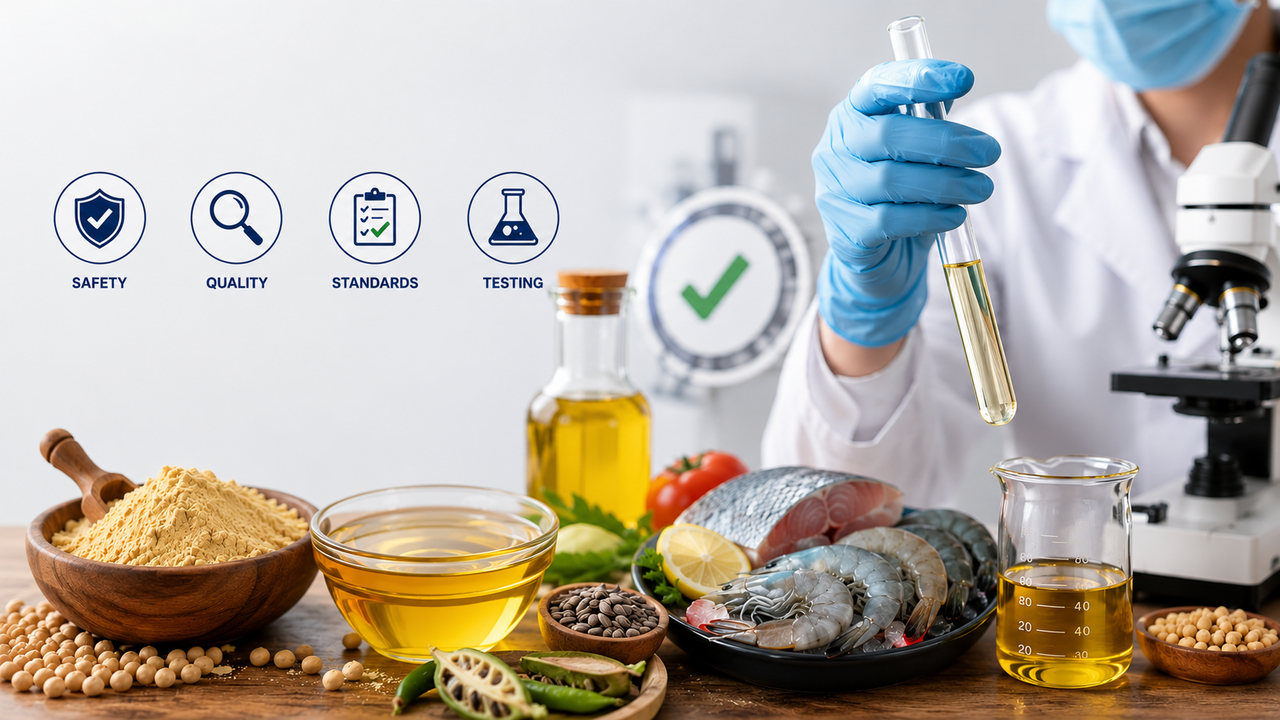
Amid increasing contamination and adulteration of food products, India’s food regulator has introduced new safety standards across a wide range of foods such as besan (gram flour), edible and cold-pressed seed oils, as well as prawns.The draft regulations by the Food Safety and Standards Authority of India (FSSAI) cover heavy metals, toxins, antibiotic residues, and quality standards for both commonly used foods and emerging edible products, the Times of India reported.The new regulations are expected to come into force on December 1.What Has Changed Under The New Rules?Under the new rules, the FSSAI has:Expanded contamination standards related to lead and cadmium to include pulse flours such as besan and packaged mixes in addition to pulses.Updated limits for aflatoxins — toxic substances produced by certain fungi — in oils, oilseeds, and ready-to-eat oilseed products.Revised testing norms for arsenic in fish oils and updated standards for saffrole, a naturally occurring substance found in foods and beverages containing nutmeg and mace.Introduced residue limits for antibiotics such as trimethoprim and oxolinic acid in seafood products, including shrimps, prawns, and fishery products.New Standards For Seed Oils And Edible SeedsIn a separate draft notification, the FSSAI proposed quality and safety standards for lesser-used edible oils made from chilli, tomato, muskmelon, and okra seeds as demand rises for cold-pressed oils, seed-based snacks, and plant-based nutrition products.The proposed norms require these oils to remain free from adulteration, harmful impurities, rancidity, and mineral oil contamination, while also prescribing limits for moisture, acidity, and metal content.Also read: Can Beetroot Juice Help Lower Blood Pressure?The draft rules also cover edible seeds such as watermelon, cucumber, pumpkin, sunflower, sesame, and flaxseed sold in raw, roasted, or salted forms, requiring them to be clean and free from insects, fungus, and visible contamination before sale.FSSAI has invited public comments on the draft regulations for 60 days before finalization.Crackdown On Food AdulterationFurther, in two separate incidents in Uttar Pradesh’s Ghaziabad and Muzaffarnagar, the state food regulator cracked down on food adulteration. In Ghaziabad, the state food regulator seized 10 quintals of suspected paneer stored in unhygienic conditions. With contamination risks high, the joint team swiftly sampled the batch and destroyed the entire 1,000 kg consignment.In Muzaffarnagar, food safety officials inspected an ice cream outlet. The drive focused on ice creams and ice candies to ensure they met regulatory standards. A total of three legal samples were collected.Read More: Are Mangoes Safe for Oral Cancer Patients?How Adulterated Foods Can Affect Your Health?The FSSAI noted that hidden adulterants in everyday food can create serious concerns for consumers.Food adulteration happens when there is an intentional addition of foreign or inferior substances to original food products.A 2024 study published in SAGE Open Medicine noted various health impacts of adulterated food, including:CancerLathyrismLiver diseaseCardiac failureKidney diseaseNervous system-related diseasesThe study also noted that adulteration could lead to allergic reactions. Pregnant women, children, and the elderly are more prone to developing illnesses if adulterated food is consumed.