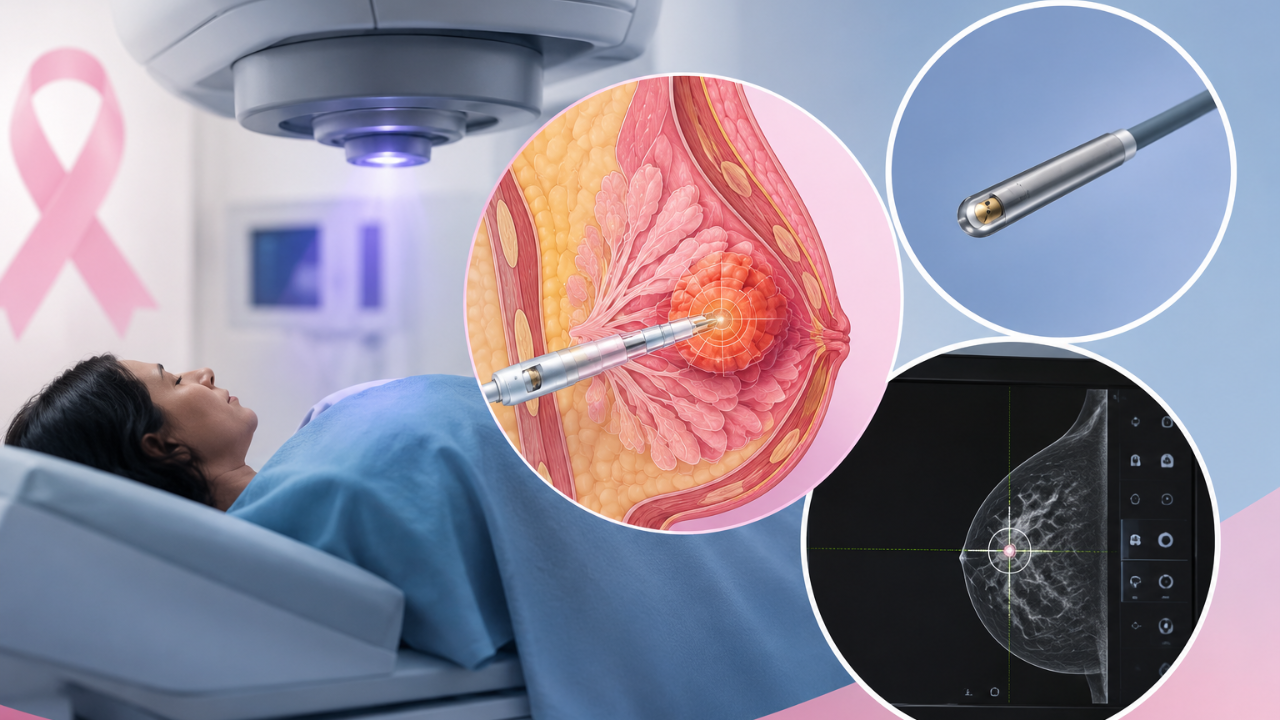
Breast cancer is now the most commonly diagnosed cancer among women in India, representing a significant and growing public health concern. According to recent estimates, India recorded approximately 221,757 new breast cancer cases in 2022, making breast cancer the most common cancer among women and accounting for nearly one-fourth of all female cancers in several urban populations1. Rising urbanisation, lifestyle changes, delayed childbirth, and increasing life expectancy have contributed to the growing incidence. Despite advances in awareness and screening, many women continue to be diagnosed at later stages, underscoring the need for effective, accessible, and patient-centric treatment approaches. Moving Beyond One-Size-Fits-All Radiation Therapy Radiation therapy remains a cornerstone of breast cancer treatment, particularly after breast-conserving surgery. Traditionally, radiation is delivered through external beam radiation therapy (EBRT), which involves directing radiation from outside the body to the breast over several weeks. While highly effective, this approach may expose healthy tissues to radiation and often requires repeated hospital visits. As cancer care evolves towards more personalised treatment, brachytherapy is emerging as a targeted alternative that delivers radiation with greater precision.Also read: Why Flight Attendants, Pilots Face Higher Risk Of Radiation-Linked Cancer Deaths Than Other Occupations? How Brachytherapy Delivers Radiation Where It Matters Most Brachytherapy is a form of internal radiation therapy in which radioactive sources are placed directly within or near the treatment area. This enables radiation oncologists to deliver a concentrated dose precisely to the target while minimising exposure to surrounding healthy tissues. Unlike conventional radiation, which passes through normal tissues before reaching the target, brachytherapy focuses treatment directly on the tumour bed. This precision helps maximise treatment effectiveness while reducing potential side effects.Also read: Groundbreaking Experimental Vaccine May Prevent Pancreatic Cancer From Spreading, Early Trial FindsA More Personalised Approach to Breast Cancer Treatment One of the most significant applications of breast brachytherapy is Accelerated Partial Breast Irradiation (APBI). In selected patients with early-stage breast cancer, the risk of recurrence is highest around the original tumour site. APBI targets only this region rather than treating the entire breast. This focused approach helps protect healthy breast tissue and nearby organs such as the heart and lungs. Advanced imaging and treatment-planning technologies further enhance personalisation by allowing radiation doses to be tailored to the patient's anatomy and tumour characteristics.Also read: UK Set To Implement Stricter Protocol For Prostate Cancer Testing; Who Is Eligible To Get Tested?Shorter Treatment Duration, Greater Convenience A major advantage of brachytherapy is the shorter treatment schedule it offers. Conventional radiation therapy may require daily sessions for three to six weeks, whereas brachytherapy-based APBI can often be completed within a few days. For patients travelling long distances to access specialised cancer care, this can reduce both the logistical and financial burden of treatment while minimising disruptions to daily life. Preserving Quality of Life After Cancer As survival rates improve, quality of life has become a key consideration in breast cancer care. Brachytherapy's targeted approach reduces radiation exposure to healthy tissues and has been associated with favourable cosmetic outcomes. By combining precision, convenience, and effectiveness, brachytherapy represents an important step towards personalised breast cancer treatment, offering appropriately selected patients an opportunity for effective care with potentially fewer side effects and improved overall treatment experience.By Dr. Harjot Kaur Bajwa, Senior Consultant Radiation Oncologist and Brachytherapy specialist at the American Oncology Institute, Hyderabad