
- Health Conditions A-Z
- Health & Wellness
- Nutrition
- Fitness
- Health News
- Ayurveda
- Videos
- Medicine A-Z
- Parenting
How Does Your Gut Microbiome Impact Your Overall Health?

Credit: Canva
Your body hosts trillions of bacteria, viruses, and fungi, collectively known as the microbiome. While some bacteria are linked to disease, many play essential roles in supporting your immune system, heart health, weight management, and overall well-being. This article delves into the significance of the gut microbiome and its impact on health.
What Is Gut Microbiome?
Microorganisms, or microbes, reside in various parts of your body, but the majority are concentrated in the intestines, particularly in the cecum, a part of the large intestine. This collection of microbes is referred to as the gut microbiome.Interestingly, bacterial cells outnumber human cells in the body, with approximately 40 trillion bacterial cells compared to 30 trillion human cells. With up to 1,000 species of bacteria present in the gut, each plays a distinct role. While most bacteria contribute positively to health, some can be harmful. Together, these microbes weigh around 1–2 kilograms, functioning almost like an additional organ essential for overall well-being.
How Does Gut Microbiome Influence Your Health?
The relationship between humans and microbes has evolved over millions of years, with the gut microbiome playing a crucial role from birth. Initial exposure to microbes occurs during birth, and some evidence suggests that exposure begins in the womb. As the microbiome diversifies, it starts influencing key bodily functions:
Digestion of breast milk: Beneficial bacteria like Bifidobacteria help break down essential sugars in breast milk, supporting infant growth.
Fiber digestion: Some bacteria process fiber into short-chain fatty acids, which contribute to gut health and reduce risks of obesity, diabetes, and heart disease.
Immune system regulation: The gut microbiome interacts with immune cells, influencing how the body responds to infections.
Brain health: Emerging research suggests a link between the gut microbiome and brain function, potentially affecting mental health and neurological processes.
Gut Microbiome And Weight Management
An imbalance between beneficial and harmful microbes, known as gut dysbiosis, may contribute to weight gain. Studies on identical twins—one with obesity and the other without—suggest that microbiome composition plays a role in body weight independent of genetics. Additionally, animal studies indicate that gut bacteria can influence weight gain, even when calorie intake remains constant.
Probiotics, beneficial bacteria found in supplements and certain foods, can help restore gut balance and support weight loss, though their effects may be modest.
Gut Health And Disease Prevention
The gut microbiome plays a vital role in preventing and managing conditions like irritable bowel syndrome (IBS) and inflammatory bowel disease (IBD). Imbalances in gut bacteria may lead to bloating, cramps, and digestive issues. On the other hand, beneficial bacteria like Bifidobacteria and Lactobacilli help strengthen the intestinal lining, reducing the risk of gut-related disorders.
Impact On Heart Health
Research suggests that the gut microbiome influences heart health by affecting cholesterol levels and blood pressure. Certain harmful bacteria produce trimethylamine N-oxide (TMAO), a compound linked to blocked arteries and heart disease. However, probiotics, particularly those containing Lactobacilli, may help reduce cholesterol levels and promote cardiovascular health.
Blood Sugar Regulation And Diabetes Risk
The gut microbiome also plays a role in regulating blood sugar levels. Research on infants genetically predisposed to type 1 diabetes indicates that gut microbiome diversity declines before disease onset. Furthermore, individual variations in gut bacteria may explain why people experience different blood sugar responses to the same foods.
Connection Between Gut And Brain
The gut is physically connected to the brain through nerves, and certain bacteria help produce neurotransmitters like serotonin, which influence mood and mental health. Studies indicate that people with mental health disorders often have different gut bacteria compared to those without such conditions. Additionally, some probiotics have shown promise in alleviating symptoms of depression and anxiety.
Tips For Healthier Gut Microbiome
Maintaining a balanced gut microbiome is crucial for overall health. Here are some strategies to support gut health:
- Eat a diverse range of foods: A varied diet rich in fiber, legumes, and fruits promotes microbial diversity.
- Consume fermented foods: Yogurt, kefir, and sauerkraut contain probiotics that enhance gut health.
- Limit artificial sweeteners: Some artificial sweeteners can encourage the growth of harmful bacteria.
- Include prebiotic foods: Bananas, oats, and asparagus contain fibers that nourish beneficial bacteria.
- Breastfeed infants when possible: Breastfeeding promotes a healthier gut microbiome in babies.
- Choose whole grains: Whole grains contain fiber and beneficial compounds that support digestive health.
- Opt for a plant-based diet: Vegetarian diets may reduce inflammation and support a healthier gut microbiome.
- Consume polyphenol-rich foods: Green tea, dark chocolate, and olive oil contain compounds that foster beneficial bacteria.
- Take probiotics if needed: Probiotic supplements can help restore gut balance after disruptions, such as antibiotic use.
- Use antibiotics cautiously: While antibiotics can be life-saving, overuse can harm beneficial gut bacteria.
How Leg Stiffness Impacts Spine Health: Tips For Gen Z Fitness Enthusiasts

Credit: iStock
Today, the fitness scene has gained much traction among the Gen Z population. With more and more young people spending time in the gym and working out, it is important for fitness enthusiasts to remember the importance of leg stiffness and its impact on spine health. Leg stiffness has the potential to cause unnecessary strain on the spine and back during workouts.
From a neurosurgical point of view, we see that the spine is not just a mechanical support structure but a sensitive pathway through which the spinal cord and nerve roots run. Repeated micro-strain caused by poor flexibility can cause young patients to suffer early degenerative changes that may cause nerve irritation.
We also see that strengthening the abdominal muscles is essential in stabilizing the spine, thereby preventing disc injuries. Early intervention in minor complaints, such as back stiffness or nerve pain, is essential in preventing more serious problems that may need surgical intervention.
The Link Between Leg Stiffness And Spine Health
The muscles in your legs are important for your spine's health. The hamstring, hip flexor, and calf muscles are all significant players in the movement and positioning of your spine. Leg stiffness has the potential to cause unnecessary strain on the spine and back. Leg stiffness limits the movement and positioning of the hips and the spine.
When these muscle groups are tight, they alter pelvic alignment and increase load on the lumbar spine. Over time, this abnormal biomechanics can lead to disc stress and facet joint overload.
In neurosurgical practice, we often see young patients presenting with early symptoms of nerve compression where underlying muscle imbalance and stiffness play a contributory role.
Common Gym Mistakes That Increase The Risk
For young people, the main focus in the gym is on strength training, while flexibility and rest are ignored. This makes the condition of the legs stiffer. Another common error is improper posture while performing certain exercises in the gym. When the legs and hips are inflexible, proper posture is difficult, which causes pressure on the spine.
Sitting for a long time, studying, playing games on gadgets, etc., causes the hip flexors and the hamstring muscles in the legs to become stiffer, which causes pressure on the spine.
From a clinical standpoint, improper lifting techniques combined with stiffness can increase the risk of lumbar disc prolapse and nerve root irritation, conditions frequently encountered in spine clinics.
Tips to Prevent Spine Problems In The Gym
- Warm-ups: It is important to warm up the body before performing weightlifting exercises in the gym. It is recommended that the warm-up process take at least 5–10 minutes.
- Flexibility: It is important to include flexibility exercises in the gym routine, as they help in the proper movement of the legs, which in turn helps in preventing spine problems.
- Proper Posture: It is important to maintain proper posture while performing certain exercises in the gym, like squats, deadlifts, etc.
- Stretching After Workouts: This will help in the release of tension in the muscles and prevent the buildup of stiffness.
- Balance of Training and Recovery: This will help in maintaining the flexibility of the muscles and the spine.
Additionally, from a neurosurgical perspective, core strengthening plays a crucial role in stabilizing the spine and reducing the risk of disc-related injuries. Early attention to minor symptoms like back stiffness or radiating pain can prevent progression to more serious conditions requiring intervention.
Common Spine Problems To Avoid
Common spine problems to avoid during gym workouts include Herniated Disc, Sciatica, Spondylolisthesis, and Muscle Strain. These can occur from poor form, heavy lifting, or lack of warm-up.
In advanced cases, such conditions may lead to nerve compression requiring specialized evaluation and, rarely, surgical management. However, most of these issues are preventable with correct technique and conditioning.
Fitness enthusiasts in the Gen Z generation need to understand that it is very important to develop strength in the body while at the same time maintaining flexibility. The solution to the problem of a stiff leg is the foundation of protecting the spine and improving workout performance. This is achievable through the right warm-up, correct workout, and correct lifting.
Dr. Gaurav Batra is a Consultant - Neurosurgeon (Brain & Spine) at Max Hospital, Vaishali.
Meningitis Outbreak: Who Can Get The MenB Vaccine?

A recent meningitis outbreak in Kent University has led to many people wandering about the MenB vaccine and whether they should be getting it. The UK Health Security Agency (UKHSA) with NHS England and the government is already coordinating a targeted vaccination programme against Meningitis B- the strain identified to cause the outbreak.
Who Is Eligible for MenB Vaccine?
As per UKHSA, anyone in the following group has been offered preventative antibiotics which is also known as prophylaxis, is being offered the MenB vaccine. As of now, this includes:
- close contacts of those who are confirmed or suspected to have meningococcal disease
- students at the University of Kent who are normally resident on the Canterbury Campus, including those who may have now travelled home. Some staff living or working in these Halls of Residence have also been offered preventative antibiotics and are eligible for vaccination
- students who attend other universities in Canterbury, living in halls of residence or off-campus locations where there has been a case, and have been advised to take an antibiotic due to a close contact by UKHSA
- sixth form students (years 12 and 13) attending a secondary school or sixth form college in Kent where there has been a confirmed or probable case of meningococcal disease informed by local risk assessment
- anyone who visited or was working at Club Chemistry in Canterbury between 5 March and 15 March, when the venue closed voluntarily
Read: Fact Check: Did Keir Starmer Say UK ‘May Need To Go Into Lockdown’ If Meningitis Cases Keep Rising?
Is there Any Risk To The Public?
As of now, notes UKHSA that the risk of infection to the wider public remains low. This is because transmission of MenB requires close and prolonged contact to spread. This could only happen when people are living in the same household and with intimate contact such as kissing or sharing drinks or vapes.
The bacteria, notes UKHSA, are not as contagious as the other infections like measles and COVID 19.
Why Are Antibiotics Being Prescribed?
Antibiotics play an important role, and almost an immediate one when it comes to responding to an outbreak. For anyone who has been in close contact with a confirmed or suspected case, preventative antibiotics are being offered to them to clear any meningococcal bacteria they may be carrying. This will reduce the risk of them becoming ill or passing the bacteria on to others.
Most Commonly Asked Question: I've Had The MenACWY Vaccine, Do I Still Need MenB Vaccine?
The simple answer is a yes. UKHSA notes that if you are eligible for the MenB vaccine despite the fact that you have taken MenACWY vaccine, you should come forward and take the MenB vaccine. This is because the MenACWY vaccine does not protect you against the MenB strains, as they are both different strain. MenB has been identified as the primary cause of meningitis outbreak in Kent University.
Can Semaglutide Help Fight Cancer In The Brain?
Credit: iStock
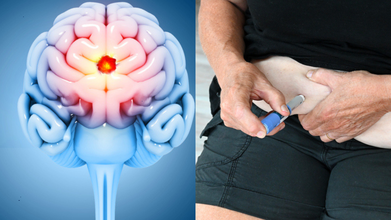
Semaglutide is the hero ingredient in the popular drugs Ozempic (used primarily to treat Type-2 diabetes) and Wegovy (used for chronic weight management).
Semaglutide, a GLP-1 receptor agonist, has shown its prowess in lowering the risk of heart attack, stroke, or death in patients with type 2 diabetes, obesity, and heart or blood vessel disease.
With emerging preclinical evidence suggesting its potential neuroprotective and anti-inflammatory effects, an international team of researchers from the US and Taiwan focused their study on semaglutide and patients whose cancer has spread to the brain.
Also Read: Company Sends Legal Notice Doctor After Her Campaign Questions Fake ORS-Labelled Hydration Drinks
Cancer in the brain, also known as brain metastases, is an advanced-stage (stage IV) cancer, which is generally associated with an increased risk of morbidity and mortality in patients. Those with comorbidities like type 2 diabetes are likely to have worse outcomes.
The research, published in JAMA Network Open, showed that although the once-weekly semaglutide injections cannot directly treat cancer, they can potentially help some very ill patients live longer.
“The findings of this cohort study suggest that GLP-1 RA use was associated with a significant reduction in all-cause mortality among patients with cancer with brain metastases and type 2 diabetes, with generally consistent association across subgroups," said the team from Albert Einstein College of Medicine in New York and National Cheng Kung University Hospital in Taiwan, in the paper.
How Semaglutide Helped Patients With Brain Metastases?
The teams analyzed medical records from 151 hospitals around the world.
They identified more than 19,000 patients with cancer, brain metastases, and type 2 diabetes. Of these, 866 had been treated with a GLP-1 drug, while over 11,000 had not.
Their final analysis included two groups of 850 patients who were compared for the effects of semaglutide and were followed for up to three years after their brain metastases were first recorded.
The patients taking semaglutide were significantly less likely to die -- about 37 percent -- during the follow-up period than those who were not.
The pattern was fairly consistent across several major cancer types, including lung cancer, breast cancer, and melanoma.
"These results build upon existing evidence that GLP-1 receptor activation modulates pathways relevant to neuro-oncologic health, including attenuation of neuroinflammation, preservation of blood–brain barrier integrity, and reduction of oxidative stress and mitochondrial dysfunction," the researchers said.
However, they also acknowledged limitations, such as the study was retrospectively conducted, which checked medical records and did not test patients in a controlled trial.
Ozempic Goes Generic, To Cost Less By 90%
With Novo Nordisk losing its patent in many countries, the sky-high prices of Ozempic and Wegovy are likely to go down by 90 percent.
This means the drug will be available at cheaper rates to 40 per cent of the world's population.
In India, the patent ended on March 20, and since then, several companies, including Alkem Laboratories, NATCO Pharma, Eris Lifesciences, Dr. Reddy’s Laboratories, Sun Pharmaceutical Industries, and Glenmark Pharmaceuticals, have launched their generic versions of semaglutide at a reduced price.
Also read: Semaglutide Becomes Cheap In India: A Gamechanger Or Health Gamble?
Who Should Avoid Semaglutide?
Semaglutide should be avoided or used with extreme caution in:
- Patients with a history of medullary thyroid carcinoma
- Individuals with a history of pancreatitis
- Those with severe gastrointestinal disease (e.g., gastroparesis)
- Pregnant or breastfeeding women
- Patients with Type 1 diabetes
- Patients with severe eye problems due to diabetes (can be taken with care)
- Individuals seeking purely cosmetic weight loss without a medical indication.
- Follow Us :


© 2024 Bennett, Coleman & Company Limited