
- Health Conditions A-Z
- Health & Wellness
- Nutrition
- Fitness
- Health News
- Ayurveda
- Videos
- Medicine A-Z
- Parenting
How Leg Stiffness Impacts Spine Health: Tips For Gen Z Fitness Enthusiasts
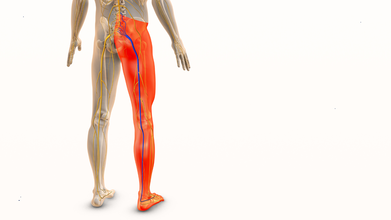
Credit: iStock
Today, the fitness scene has gained much traction among the Gen Z population. With more and more young people spending time in the gym and working out, it is important for fitness enthusiasts to remember the importance of leg stiffness and its impact on spine health. Leg stiffness has the potential to cause unnecessary strain on the spine and back during workouts.
From a neurosurgical point of view, we see that the spine is not just a mechanical support structure but a sensitive pathway through which the spinal cord and nerve roots run. Repeated micro-strain caused by poor flexibility can cause young patients to suffer early degenerative changes that may cause nerve irritation.
We also see that strengthening the abdominal muscles is essential in stabilizing the spine, thereby preventing disc injuries. Early intervention in minor complaints, such as back stiffness or nerve pain, is essential in preventing more serious problems that may need surgical intervention.
The Link Between Leg Stiffness And Spine Health
The muscles in your legs are important for your spine's health. The hamstring, hip flexor, and calf muscles are all significant players in the movement and positioning of your spine. Leg stiffness has the potential to cause unnecessary strain on the spine and back. Leg stiffness limits the movement and positioning of the hips and the spine.
When these muscle groups are tight, they alter pelvic alignment and increase load on the lumbar spine. Over time, this abnormal biomechanics can lead to disc stress and facet joint overload.
In neurosurgical practice, we often see young patients presenting with early symptoms of nerve compression where underlying muscle imbalance and stiffness play a contributory role.
Common Gym Mistakes That Increase The Risk
For young people, the main focus in the gym is on strength training, while flexibility and rest are ignored. This makes the condition of the legs stiffer. Another common error is improper posture while performing certain exercises in the gym. When the legs and hips are inflexible, proper posture is difficult, which causes pressure on the spine.
Sitting for a long time, studying, playing games on gadgets, etc., causes the hip flexors and the hamstring muscles in the legs to become stiffer, which causes pressure on the spine.
From a clinical standpoint, improper lifting techniques combined with stiffness can increase the risk of lumbar disc prolapse and nerve root irritation, conditions frequently encountered in spine clinics.
Tips to Prevent Spine Problems In The Gym
- Warm-ups: It is important to warm up the body before performing weightlifting exercises in the gym. It is recommended that the warm-up process take at least 5–10 minutes.
- Flexibility: It is important to include flexibility exercises in the gym routine, as they help in the proper movement of the legs, which in turn helps in preventing spine problems.
- Proper Posture: It is important to maintain proper posture while performing certain exercises in the gym, like squats, deadlifts, etc.
- Stretching After Workouts: This will help in the release of tension in the muscles and prevent the buildup of stiffness.
- Balance of Training and Recovery: This will help in maintaining the flexibility of the muscles and the spine.
Additionally, from a neurosurgical perspective, core strengthening plays a crucial role in stabilizing the spine and reducing the risk of disc-related injuries. Early attention to minor symptoms like back stiffness or radiating pain can prevent progression to more serious conditions requiring intervention.
Common Spine Problems To Avoid
Common spine problems to avoid during gym workouts include Herniated Disc, Sciatica, Spondylolisthesis, and Muscle Strain. These can occur from poor form, heavy lifting, or lack of warm-up.
In advanced cases, such conditions may lead to nerve compression requiring specialized evaluation and, rarely, surgical management. However, most of these issues are preventable with correct technique and conditioning.
Fitness enthusiasts in the Gen Z generation need to understand that it is very important to develop strength in the body while at the same time maintaining flexibility. The solution to the problem of a stiff leg is the foundation of protecting the spine and improving workout performance. This is achievable through the right warm-up, correct workout, and correct lifting.
Dr. Gaurav Batra is a Consultant - Neurosurgeon (Brain & Spine) at Max Hospital, Vaishali.
Dhurandhar 2 Actor Mustafa Ahmed Opens Up On Growing Up With Dyslexia

Credits: Instagram
Dhurandhar 2 actor Mustafa Ahmed, who played Rizwan in the film, opened up about growing up with dyslexia. He shared that he struggled with reading and writing, but sports and dancing came naturally to him.
"I was not a bright kid. I was dyslexic and came from an Afghan background. But I was always physical, I was good at sports, and I picked up dancing naturally. Anything that involved using my body, I was good at it,” said Mustafa, who trained has Hrithik Roshan, in the Alpha Coach podcast.
What Is Dyslexia?
Dyslexia is a learning difficulty that affects reading, writing, and spelling. However, it has nothing to do with intelligence.
Common signs of dyslexia include:
- Difficulty reading or recognizing words
- Trouble with spelling and writing
- Confusing similar-looking letters (like b/d or p/q)
- Slow reading speed and poor comprehension
- Difficulty following written instructions
This means that children with dyslexia are simply wired differently and may need to focus on other learning areas.
How Did Mustafa Overcome Dyslexia?
Mustafa did exactly that. He focused on training hard and eventually worked with big stars like Hrithik Roshan. That’s when he caught the attention of Aditya Dhar, the maker of Dhurandhar. Aditya saw potential in him and encouraged him to pursue acting, helping launch his journey in the industry.
Growing up, Mustafa, who revealed in an interview, faced challenges in school due to his learning difficulties. Tasks like reading scripts or memorizing lines may not have come easily at first. However, with determination, support, and self-belief, he was able to overcome these barriers.
However, today as a rising star, his story is a reminder that with the right support, early diagnosis, and self-belief, children with dyslexia can truly thrive.
Signs and symptoms of dyslexia
Doctors say signs of dyslexia can look different at each age. It happens because your brain grows and learns in new ways as you get older. You may notice your child has:
- Has difficulty learning or recognizing letters
- Has trouble rhyming words
- Mixes up words that sound similar
- Find it difficult to read simple words after learning letter sounds
- Have trouble remembering letters, even after lots of practice
- Avoiding tasks that have to do with reading
- Feeling sick or anxious before school or homework time
- Struggling in school
Can You Treat Dyslexia?
Doctors say even though dyslexia is a lifelong condition, it can be effectively managed with the help of interventions like:
- Phonics-based reading programs
- One-on-one tutoring
- Speech and language therapy
- Use of assistive technology like audiobooks and text-to-speech tools
With these strategies, individuals with dyslexia can improve their reading skills and excel in their chosen fields.
Mel Schilling Dies At 54, Her Colon Cancer Spread To Her Brain
Credits: Instagram
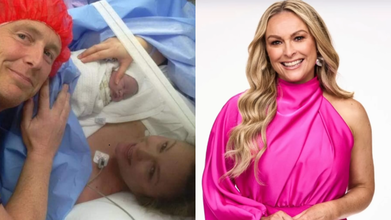
Mel Schilling, an Australian psychologist and a dating expert died at 54. Her husband Gareth Brisbane announced the death in a social media statement.
What Happened To Mel Schilling?
Schilling was diagnosed with colon cancer in December 2023. Just two weeks ago she said that the disease had spread to her brain. "I honestly don't know how long I have left," she wrote.
Read: What Is The Correct Age To Get A Colonoscopy?
According to her husband, she died "peacefully, surrounded by love". “This is a woman who, through two years of chemotherapy, when she could barely lift her head from the pillow, never complained and never stopped showing courage, grace, compassion and empathy, and never missed a day of filming,” Brisbane wrote.
She was also an expert on 'Married at First Sight Australia' for 12 years and because of her illness she stepped down as a dating expert.
How Does Cancer Spread To Other Parts Of The Body?
Schilling said that her cancer had spread to her brain. as per the Cancer Research UK, cancer cells can spread to other parts of the body through bloodstream or lymphatic system. They can then start to grow into new tumors. The National cancer Institute notes that cancer cells spread through the body in a series of steps, which include:
- growing into, or invading, nearby normal tissue
- moving through the walls of nearby lymph nodes or blood vessels
- traveling through the lymphatic system and bloodstream to other parts of the body
- stopping in small blood vessels at a distant location, invading the blood vessel walls, and moving into the surrounding tissue
- growing in this tissue until a tiny tumor forms
- causing new blood vessels to grow, which creates a blood supply that allows the metastatic tumor to continue growing
What Is Colon Cancer?
Colon (colorectal) cancer begins when small growths called polyps form on the inner lining of the colon or rectum. Over time, changes in the DNA of these cells can cause the polyps to become cancerous.
As abnormal cells multiply, they replace healthy cells and eventually form a mass known as a tumor. This process develops slowly, often taking up to ten years for a precancerous polyp to turn into cancer and begin showing symptoms.
Colon cancer poses serious health risks because cancerous cells can invade healthy tissues. Over time, they may break away and spread to other parts of the body, making detection more difficult since the symptoms can resemble other conditions.
How Can You Get Screened For Colon Cancer?
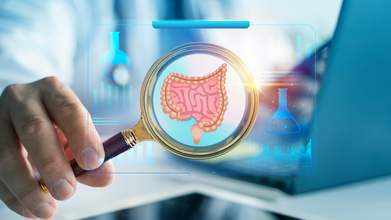
You can get examined by a colonoscopy. A colonoscopy is a 15 to 60 minute medical procedure that is used to examine the entire inner lining of the large intestine, which includes rectum and colon for abnormalities, such as polyps, inflammation, or cancer. A doctor uses a colonoscope, which is a thin, flexible tube with a camera to take images, remove polyps, or take issue samples.
Most health experts, including federal guidelines and the American Cancer Society, recommend that people at average risk for colorectal cancer start screening at age 45. This usually means getting a colonoscopy once every 10 years, or opting for stool-based tests every one to three years. These guidelines also play a role in whether insurance companies cover the tests.
What Is The Correct Age To Get A Colonoscopy?
March is the month of colon cancer awareness and with the recent cases of colon cancer patients who are younger than 50. With the death of 48-year-old actor James Van Der Beek due to colorectal cancer, concerns are rising. While cancer death rates overall in people younger than 50may have dropped by 44% since 1990, colorectal cancer has become the leading cause of cancer death in people under 50.
Can Karlyle Morris, section chief for colorectal cancer at MD Anderson Center in Houston tells NBC News, "We anticipate that this is going to be a continued trend."
What Is Colon Cancer?
Colon (colorectal) cancer begins when small growths called polyps form on the inner lining of the colon or rectum. Over time, changes in the DNA of these cells can cause the polyps to become cancerous.
As abnormal cells multiply, they replace healthy cells and eventually form a mass known as a tumor. This process develops slowly, often taking up to ten years for a precancerous polyp to turn into cancer and begin showing symptoms.
Colon cancer poses serious health risks because cancerous cells can invade healthy tissues. Over time, they may break away and spread to other parts of the body, making detection more difficult since the symptoms can resemble other conditions.
What Is The Right Age To Get Colonoscopy?
A colonoscopy is a 15 to 60 minute medical procedure that is used to examine the entire inner lining of the large intestine, which includes rectum and colon for abnormalities, such as polyps, inflammation, or cancer. A doctor uses a colonoscope, which is a thin, flexible tube with a camera to take images, remove polyps, or take issue samples.
Most health experts, including federal guidelines and the American Cancer Society, recommend that people at average risk for colorectal cancer start screening at age 45. This usually means getting a colonoscopy once every 10 years, or opting for stool-based tests every one to three years. These guidelines also play a role in whether insurance companies cover the tests.
Even so, most cases of colon cancer are still diagnosed in people over 50. What’s worrying, though, is the steady rise in cases among younger adults in their 20s, 30s and 40s over the past few decades.
Why Does Screening Begin At 45?
Colon cancer typically develops slowly. It often starts as small growths in the colon called polyps, which can eventually turn cancerous if not detected early.
In recent years, growing evidence has pushed experts to reconsider when screening should begin. In 2021, the U.S. Preventive Services Task Force lowered the recommended screening age from 50 to 45. The American Cancer Society had already made a similar recommendation back in 2018.
At the time, the change was not universally accepted. Some in the medical community felt 45 was still too young. Even today, there is ongoing debate.
Setting screening guidelines is not as simple as picking an age. Experts have to weigh the benefits of early detection against potential downsides, including costs, risks from procedures and even practical concerns like taking time off work.
The numbers also tell an important story. For people aged 40 to 44, the risk of colorectal cancer is about 21 cases per 100,000 individuals. That risk more than doubles to 47 per 100,000 between ages 45 and 49, which is one of the reasons screening begins at that point.
Still, younger adults account for a relatively small proportion of cases overall. According to the Mayo Clinic, about 10 percent of colorectal cancer cases occur in people under 50.
The Challenge Of Resources And Awareness
Another key factor is access. There are only so many specialists available to perform colonoscopies, and even now, people can wait months for an appointment.
On top of that, screening rates among younger eligible adults remain low. Only about one in five people aged 44 to 49 are up to date with recommended screenings.
Experts say that if the screening age were lowered further, participation might drop even more. For now, the focus remains on improving awareness and encouraging those already eligible to get screened on time.
- Follow Us :


© 2024 Bennett, Coleman & Company Limited