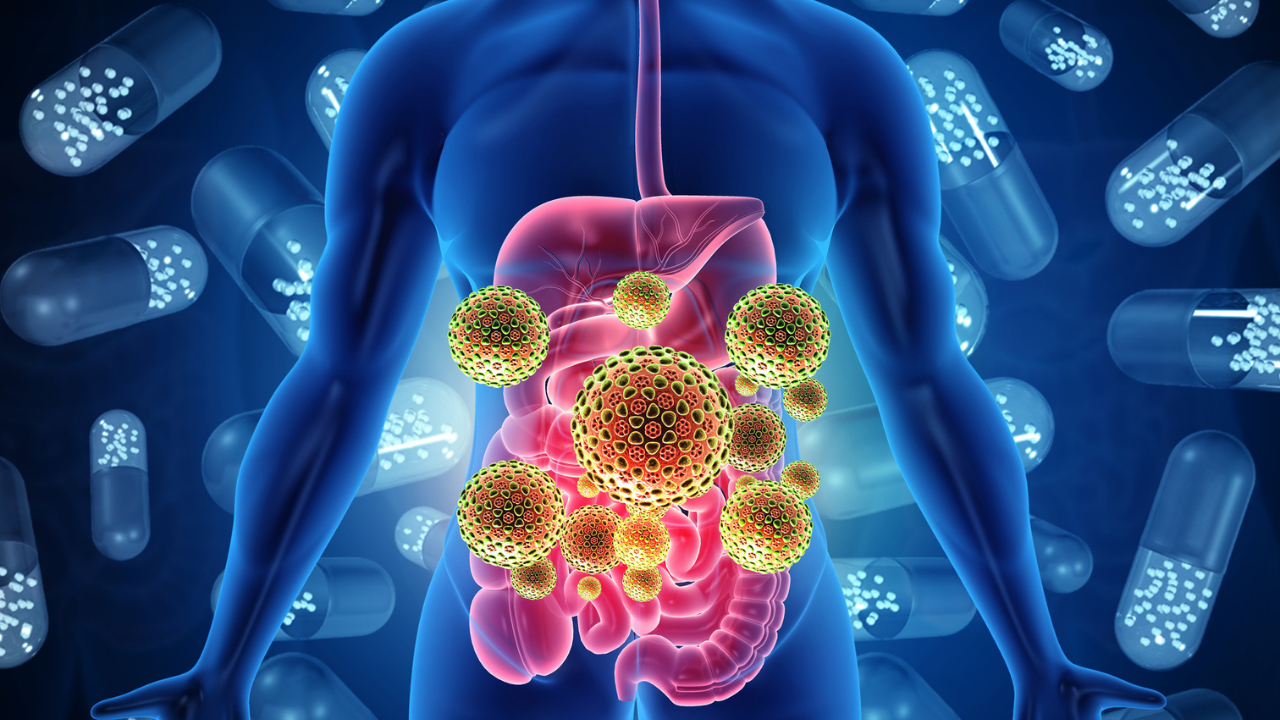
The monsoon season brings a respite from scorching heat, but it also increases the risk of contracting various diseases and infections. Apart from common illnesses like dengue, malaria, and typhoid fever, states and cities in India also face the risk of specific infections based on climate, geography, infrastructure, parasites, and sanitation. Prevention Of Gut Infections During Monsoon In a conversation with Health and Me, Dr Aabha Nagral, Director of Gastroenterology, Chief Hepatologist and Liver Transplant Physician at Jaslok Hospital and Research Centre, explained how rains can lead to contamination of water sources, increasing the spread of fecal-oral infections. As the monsoon has set in, several states in India, including Maharashtra, Kerala, Karnataka, and Tamil Nadu are facing an alarming rise of gastrointestinal infections. Heavy rains are one of the reasons behind contamination of drinking water and food supplies. Bacteria, viruses, and parasites in food and drinking water often result in a spike in diarrhea, vomiting, food poisoning, and gastroenteritis. Increased bacterial growth in warm and humid conditions, combined with poor food hygiene and subpar sanitation facilities, contributes to the rise of gut infections in urban areas like Mumbai. Recent research and seasonal trends also support the increase in these infections. A 2025 review published in Frontiers in Tropical Diseases found that tropical infections like cholera, giardiasis, and enterotoxigenic E. coli infections disrupt the gut microbiome by reducing beneficial bacteria and increasing harmful microbes. Faecal-oral diseases and infections like hepatitis A and E mainly cause jaundice, whereas gastroenteritis presents with diarrhea. On the other hand, typhoid can present with high fevers. Dr Nagral says, “You can have various other diseases during the rains by what we call faecal-oral contamination of water. So, we know that during the rainy season, the water gets contaminated more easily. So, make sure that you are boiling your water for at least 10 minutes, or if you are using RO or any other means of sterilising the water. Also, make sure your systems are well serviced regularly so that the water you drink is well filtered and sterile.” The water source is among the first to get contaminated during the monsoon. Dr Nagral suggests these tips to prevent gut infections. Avoid foods and drinks that contain water in different forms Avoid street-side juices during monsoons to prevent gut infections Avoid any drink that contains ice or that has been sitting out for a long time Dr Aabha Nagral also spoke about avoiding consuming street foods as they are more likely to be contaminated during the monsoon. She explains, “Also, I would say avoid all street food because that’s how diseases spread. They spread through flies which sit on the faeces, which are often unfortunately there on our roadside, and then onto your food or drinks.” Common Monsoon DiseasesMonsoon diseases can vary across India depending on rainfall, flooding situation, sanitation, and local mosquito populations. Some of the most common ones include dengue, malaria, typhoid, and diarrheal diseases. These infections affect nearly every state during the rainy season. Specifically, Kerala, Maharashtra, Karnataka, and Tamil Nadu have seen a higher likelihood of leptospirosis following floods. Odisha, Chhattisgarh, and Jharkhand continue to record high malaria cases, while flood-prone states like Odisha, Assam, and Bihar are vulnerable to water-borne illnesses, including cholera and gastroenteritis.