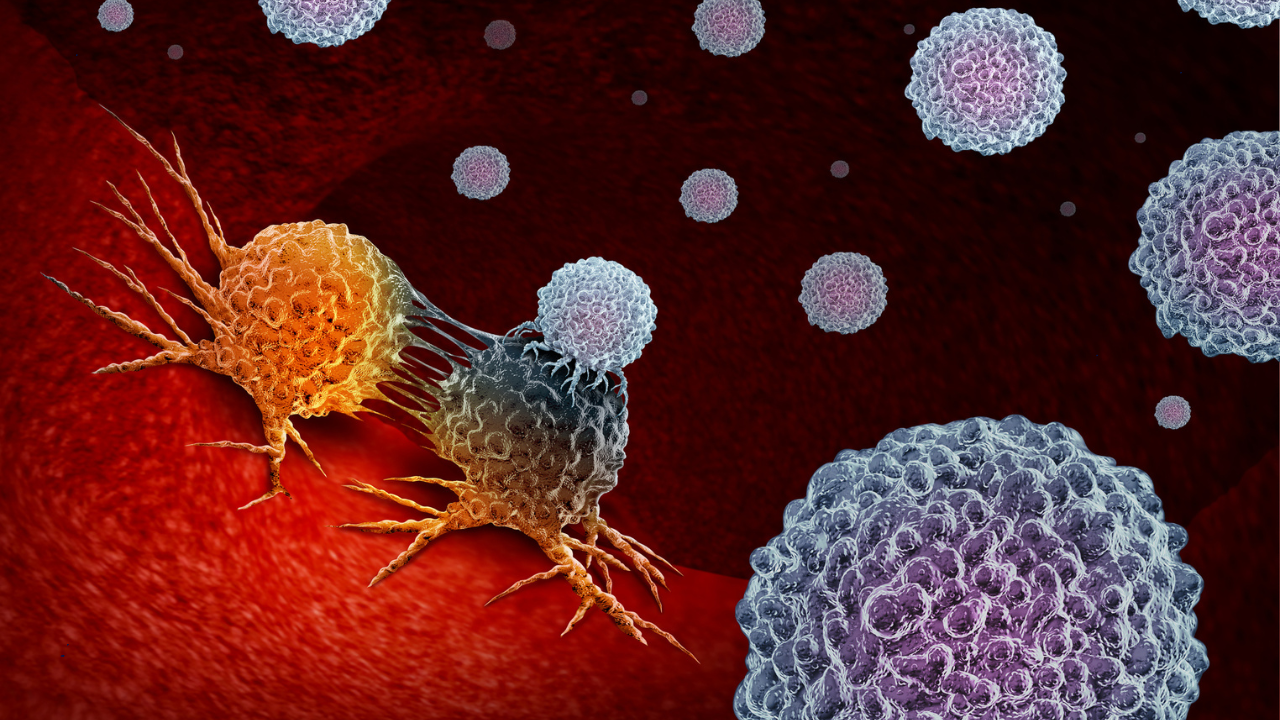
There is a growing belief that ‘sugar feeds cancer.’ Because of this, many people think that stopping sugar and carbohydrates completely can starve cancer cells and help defeat the disease. However, the trend may have side effects. This half-truth is becoming dangerous for many patients. This trend is making it even more difficult for patients to cope with the side effects of chemotherapy.This fact is not entirely unscientific, but it is incomplete. In 1924, the German scientist Otto Warburg found that cancer cells consume more glucose than normal cells. This phenomenon is known as the Warburg Effect. This finding has subsequently been validated in numerous studies. This is also the reason why cancer cells appear clearly in PET-CT scans. They absorb glucose-like substances more aggressively than normal cells. But this does not mean cancer can be “starved” by reducing sugar in food.Why The Body Still Needs Glucose?Glucose is an essential fuel for the human body. The brain, heart, red blood cells, and immune system all depend on it. If a person completely stops eating carbohydrates, the body starts producing glucose on its own. It breaks down muscles and proteins to make energy. This process is known as gluconeogenesis. This means the cancer cells still receive fuel, but the patient’s body becomes weaker day by day. This condition is described as ‘cancer cachexia.’ In this condition, body weight and muscle mass reduce rapidly. Such patients often cannot tolerate chemotherapy and surgery properly. In some cases, their protein levels and white blood cell counts had dropped too much.As a result, doctors had to delay treatment, reduce medicine doses, or even stop some treatment cycles. Irony is painful. In trying to starve cancer, patients sometimes end up weakening their own bodies so much that proper treatment becomes difficult.In my clinic, I see it almost every week. In such a case, a cancer patient walks in visibly frail. She almost had lost several kilograms over the past month. When I asked about her diet, her IT professional son said that she has cut out sugar entirely. The reason behind this was the same reel-based knowledge about sugar and cancer cells. His son strictly follows this half-truth. Due to her weakness, we had to push back her treatment for a few weeks.What Cancer Patients Should EatWe simply suggest avoiding foods that rapidly increase blood sugar levels. These include refined sugar, sweets, soft drinks, maida, and highly processed foods. We advise cancer patients to eat complex carbohydrates, whole grains, pulses, vegetables, healthy fats, and enough protein. The best way is not to cut sugar entirely, but to lower the glycemic load.Will Fasting help?Some animal studies have shown the benefits of fasting during cancer treatment. However, there is still not enough evidence in humans. For patients who are already weak or losing weight rapidly, long fasting can become harmful. The Goal Is to Stay Strong During TreatmentCancer cells use more glucose, but starving the body cannot stop cancer. If you want to help your body, then avoid refined sugar and junk food, but continue eating balanced meals. Because sufficient protein and calories are extremely important. Practising long fasting without medical advice is harmful. The goal should be to keep the body stable and strong, not weak.The purpose of cancer nutrition is to nourish the patient, not to starve them. Proper nutrition helps the body tolerate treatment and fight disease more effectively. What is needed is to reduce the intake of refined sugar and foods with a high glycemic index, not to declare every carbohydrate an enemy. After all, one cannot win the battle against disease by weakening the body.