
- Health Conditions A-Z
- Health & Wellness
- Nutrition
- Fitness
- Health News
- Ayurveda
- Videos
- Medicine A-Z
- Parenting
How to Support Someone with Depression?

Credit: Canva
Depression is more common than many realize. According to the National Alliance on Mental Illness, one in three people in the US will experience depression at some point in their lives, and one in eight will face a major depressive episode. While awareness about depression is growing, knowing how to talk to someone struggling with it remains a challenge.
What Not to Say to Someone with Depression
Despite good intentions, some common responses can be unhelpful or even harmful. Psychiatrist and neuroscientist Dr Dave Rabin, while speaking to a media organisation, highlights a few key mistakes:Offering unsolicited advice: While activities like meditation or gratitude journaling can be beneficial, people with depression primarily need compassion and a listening ear before receiving suggestions.
Telling them how they should feel: Phrases like "You have so much to be grateful for" or "Others have it worse" can invalidate their experience. Depression is an illness, not a logical reaction to circumstances.
Using clichés and social media quotes: Statements such as "What doesn’t kill you makes you stronger" can feel dismissive. Depression is complex, and well-meaning platitudes rarely provide comfort.
Supportive Ways to Communicate
Reaching out and offering support can make a significant difference. Neuropsychologist Dr. Sanam Hafeez suggests prioritizing meaningful communication, whether through a text, call, video chat, or in-person conversation. Here are some helpful phrases:
"I’m thinking about you. How are you doing?"
A simple check-in can be powerful. Listening without interrupting or offering solutions allows the person to feel heard and understood.
"I love you, and I’m here for you always."
Depression often convinces people they are unworthy of love. Reassuring them through words and consistent actions can counter this belief.
"How did today go? How was your meeting?"
Specific questions show that you care and are engaged in their daily life. General questions like "Are you okay?" may not prompt much response.
"I can’t take this from you, but I can help you carry it. How can I support you?"
This validates their struggle while offering practical help, whether through accompanying them to an appointment or simply spending time together.
"I hear how upset you are, and your feelings are completely valid."
Depression can make people feel isolated or abnormal. Acknowledging their emotions as understandable can provide comfort.
"I’d love to listen if you’d like to talk. Want to grab coffee?"
Many people with depression worry about being a burden. Expressing a genuine desire to listen—paired with a concrete invitation—can encourage them to open up.
Using humor thoughtfully
A well-timed lighthearted joke, like "These are ruff times," can offer a moment of relief. However, humor should be used cautiously and never at the expense of their feelings.
"I don’t know exactly how you feel, but I can sympathize. Tell me about your experience." Rather than assuming their struggle mirrors your own, invite them to share. Relating to their emotions without overshadowing them fosters connection.
Shared Lipsticks, Makeup Items May Spread Herpes: Here’s How To Stay Safe

Credit: iStock
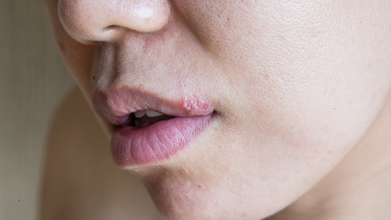
In a shocking incident, a woman contracted the herpes virus after using shared lipstick samples at a cosmetic store, raising concerns about makeup hygiene.
The incident highlights the risks involved in trying products that come into direct contact with the skin and are shared with a lot of people.
Also Read: World Autism Awareness Day 2026: Can Cell Therapy Be The Future Of Autism Treatment?
What Is Herpes?
The herpes simplex virus (HSV) is very common, and the infection is lifelong. But the symptoms can come and go over different periods of life. Many people never get any symptoms linked to their infection.
The common virus, carried by up to 50 to 80 percent of adults, can cause painful blisters or ulcers. It primarily spreads by skin-to-skin contact. It is treatable but not curable.
There are two types of herpes simplex virus: HSV-1 and HSV-2.
HSV- 1 is the most common and usually spreads by oral contact. It causes infections in or around the mouth (such as oral herpes or cold sores), as well as genital herpes.
Common oral herpes symptoms include
- blisters (cold sores)
- open sores (ulcers) in or around the mouth or lips.
HSV-2 generally spreads by sexual contact and causes genital herpes.
Its symptoms include painful
- bumps,
- blisters,
- open sores (ulcers) around the genitals or anus.
How Makeup Testers Can Spread Infection
Experts warned that makeup testers can become a breeding ground for germs. The repeated use of the open samples can spur their growth and can then spread by “double-dipping” — reusing an applicator after touching the skin. This can transfer viruses and bacteria between users.
“You can absolutely get a herpes infection from a makeup tester," Dr. Whitney Bowe, a dermatologist in New York City, told TODAY. "The more ‘double dipping’ that occurs, the higher the chance of spreading viruses or bacteria at a makeup counter.”
A 2010 study by researchers from Rowan University in New Jersey found that cosmetic samples harbored strep, E.coli, and staph.
For two years, the team examined makeup testers at makeup counters, specialty stores, and drug stores. They found that Saturday is the busiest day of the week, and 100 percent of the samples carried some sort of germ.
How To Stay Safe?
To reduce the risk of infection, experts recommend:
- Much like the toothbrush, personal cosmetics and cosmetic brushes must not be shared.
- Wash and dry your brushes regularly to avoid bacterial growth.
- Avoid applying testers directly to your lips or skin
- Use disposable applicators
- Test products on your hand rather than your face
- Avoid using testers if you have cuts, chapped lips, or active infections.
Why Inclusive Opportunities Matter For Individuals with Autism: Unlocking Untapped Potential
Credit: Canva
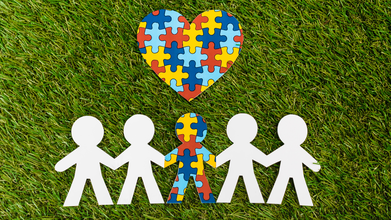
April 2 is celebrated worldwide as “Autism Awareness Day” and April as Autism month to create awareness and promote inclusivity and acceptance in society for individuals with autism.
So what exactly is Autism, and why do we need to create a culture of awareness and acceptance?
As per DSM V (Diagnostic and Statistical Manual of Mental Disorders) criteria, in simple terms, there is poor eye contact, impaired social communication skills, repetitive patterns (certain movements or fixation on certain toys, objects), difficulties with sensory processing - extreme sensitivity to sensory inputs (dislike loud noises, sensitive to touch), etc.
As a child, these individuals may not respond to name-calling, have poor eye contact/lack gestures like pointing, etc., lack imagination in play, and may not be able to relate and respond to the emotions of others. They have set routines and dislike changes to their routines. All this can cause significant disruption to their day-to-day functioning.
This year’s theme of -Autism and Humanity- Every Life has Value” reiterates the need for inclusion of autism, ensuring equitable representation of these individuals. Ensuring that society not only recognizes them but also treats them with equal respect and dignity.
Educational Support and Inclusive Workplace
Sarva Shiksha Abhiyan (SSA) was one of the Government's flagship programs, along with Action for Autism, to disseminate information in schools regarding inclusive education for autism. Education is a key foundation to ensure children with autism get suitable opportunities as adults. Special educators, with additional support in schools, can go a long way in ensuring their potential is maximized.
Many IT giants like Microsoft, Google, and SAP encourage tapping the potential of individuals with autism and their exceptional skills. In our country, organizations and NGOs, including Action for Autism, offer training for future employment opportunities.
There is a spectrum of Autistic Spectrum Disorders (ASD) known as Asperger’s syndrome, and these individuals have normal to above average intelligence and can have some exceptional skills, and the world includes some living examples of these with a higher IQ, some of whom are the most successful and famous personalities. Even on the other end of the spectrum, autistic individuals have exceptional skills, some of which include great attention to detail, creativity, problem-solving, and lateral out-of-the-box thinking.
Options for flexible working hours (part-time), understanding their need for routines, and explaining them beforehand regarding important changes to schedules can help them adapt better to an otherwise challenging workplace.
The Need For Sensitization
Understanding individuals with autism may need little extra support, being a little flexible with time deadlines, giving simple instructions, especially written/visual ones, and allowing them time to overcome their communication barriers can go a long way in ensuring they feel heard and valued like anyone else in the workplace.
Sensitization of all major organization employees to foster a culture of acceptance and awareness, and an accessible work environment, is the need of the hour. Autistic individuals do well in a variety of job profiles, including IT, technology, finance, art and creativity, and administration.
Environmental modifications like background noise cancellation with headphones help those with sensory processing issues. At the end of the day, none of us is perfect, it's recognizing our special skills and strengthening them.
Possibilities are endless if we wish to encourage and make these individuals heard. So, let’s carry the Autism Awareness Day beyond a mere day of awareness and light it up blue. Let’s value and acknowledge them being different, but also empower them to act on their special skills to earn them a dignified place in society and the workplace.
World Autism Awareness Day 2026: Origin, Theme, Significance
Credit: UN
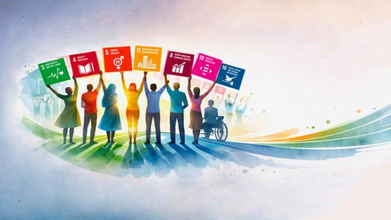
World Autism Awareness Day is observed every year on April 2. The day is important to raise awareness about autism — a neurodevelopmental condition affecting communication, social interaction, and behavior — affecting millions of people globally.
According to the World Health Organization (WHO), one in 127 people worldwide is diagnosed with the lifelong brain health condition. It is also among the top 10 conditions contributing to health loss globally.
Also Read: Leptospirosis: US health officials flag outbreak risk after floods in Hawaii
The first child diagnosed with autistic symptoms was Donald Grey Triplett. Labelled as Case 1, he went on to become an American banker, demonstrating that, if provided with the right and inclusive support and opportunities individuals with autism be as productive as others.
“Like anyone else, autistic people should be able to shape their own lives — and help to shape our shared future,” said
António Guterres, UN Secretary-General.
World Autism Awareness Day: Date and History
April 2 was designated as World Autism Awareness Day (WAAD) by the United Nations General Assembly in 2007.
The 2007 General Assembly resolution highlighted the need to raise public awareness of autism.
It stated that "children with disabilities should enjoy a full and decent life, in conditions which ensure dignity, promote self-reliance and facilitate the child’s active participation in the community, as well as the full enjoyment of all human rights and fundamental freedoms on an equal basis with other children".
World Autism Awareness Day: Theme
This year, World Autism Awareness Day is held under the theme "Autism and Humanity - Every Life Has Value".
The 2026 theme highlights and affirms the dignity and worth of all autistic people. While there are international human rights conventions safeguarding the rights of people with autism, they continue to face stigma, discrimination, and barriers to participation.
“Access to timely, quality health care and support services remains limited, driving inequalities across the life course," the WHO said. The global health body urged "sustained action and greater investment" to address these challenges. It also called for developing inclusive policies and services that uphold the rights of autistic people.
This year's theme, thus, is a call to action to recognize the inherent dignity and equal rights of all people with autism.
Guterres highlighted the need for "equal education, fair employment, and accessible health systems" for all persons with autism and to provide inclusive opportunities to participate and thrive, along with others.
Also read: Expert Reveals Why Childhood Autism Is Going Undetected In India
What is Autism?
The National Health Service (NHS) UK defines autism as not an illness or a medical condition with treatments or a "cure", but a developmental condition that affects how people communicate, learn, behave, and interact with others.
It is a spectrum, which means "everybody with autism is different".
People with autism spectrum disorder (ASD) may have difficulty with social interaction, exhibit atypical behavior and activities, or find it hard to communicate.
Early Signs Of Autism
Studies show that symptoms of autism are usually diagnosed within the first 3 years of birth. These include:
- Limited to zero eye contact
- Delayed responses
- Repeating words or actions such as hand-flapping
- Being strong-headed about following the same routine
- Easily annoyed, throws tantrums
- Difficulty understanding and expressing emotions
- Sensitive to certain sounds, textures, lights, or smells.
- Follow Us :


© 2024 Bennett, Coleman & Company Limited