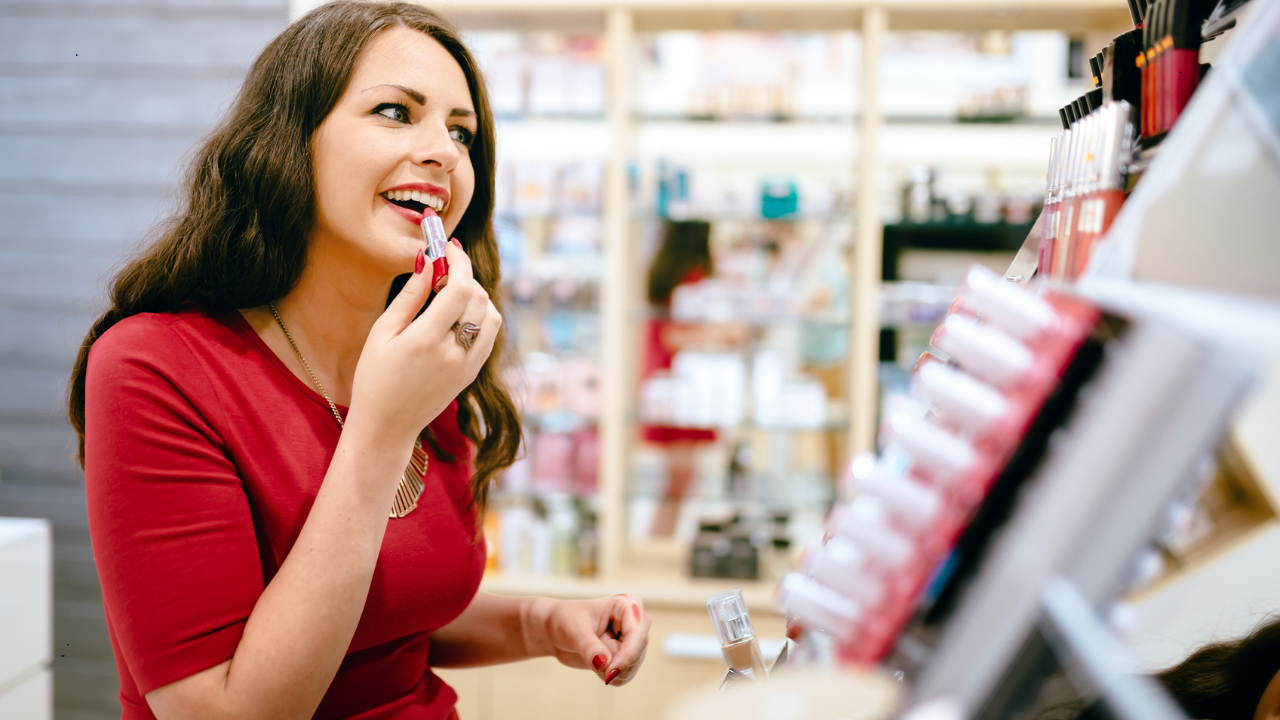
In a shocking incident, a woman contracted the herpes virus after using shared lipstick samples at a cosmetic store, raising concerns about makeup hygiene.The incident highlights the risks involved in trying products that come into direct contact with the skin and are shared with a lot of people.Also Read: World Autism Awareness Day 2026: Can Cell Therapy Be The Future Of Autism Treatment?What Is Herpes?The herpes simplex virus (HSV) is very common, and the infection is lifelong. But the symptoms can come and go over different periods of life. Many people never get any symptoms linked to their infection.The common virus, carried by up to 50 to 80 percent of adults, can cause painful blisters or ulcers. It primarily spreads by skin-to-skin contact. It is treatable but not curable.There are two types of herpes simplex virus: HSV-1 and HSV-2.HSV- 1 is the most common and usually spreads by oral contact. It causes infections in or around the mouth (such as oral herpes or cold sores), as well as genital herpes.Common oral herpes symptoms includeblisters (cold sores)open sores (ulcers) in or around the mouth or lips.HSV-2 generally spreads by sexual contact and causes genital herpes.Its symptoms include painfulbumps,blisters,open sores (ulcers) around the genitals or anus. How Makeup Testers Can Spread InfectionExperts warned that makeup testers can become a breeding ground for germs. The repeated use of the open samples can spur their growth and can then spread by “double-dipping” — reusing an applicator after touching the skin. This can transfer viruses and bacteria between users.“You can absolutely get a herpes infection from a makeup tester," Dr. Whitney Bowe, a dermatologist in New York City, told TODAY. "The more ‘double dipping’ that occurs, the higher the chance of spreading viruses or bacteria at a makeup counter.”A 2010 study by researchers from Rowan University in New Jersey found that cosmetic samples harbored strep, E.coli, and staph.For two years, the team examined makeup testers at makeup counters, specialty stores, and drug stores. They found that Saturday is the busiest day of the week, and 100 percent of the samples carried some sort of germ.How To Stay Safe?To reduce the risk of infection, experts recommend:Much like the toothbrush, personal cosmetics and cosmetic brushes must not be shared.Wash and dry your brushes regularly to avoid bacterial growth. Avoid applying testers directly to your lips or skinUse disposable applicators Test products on your hand rather than your faceAvoid using testers if you have cuts, chapped lips, or active infections.