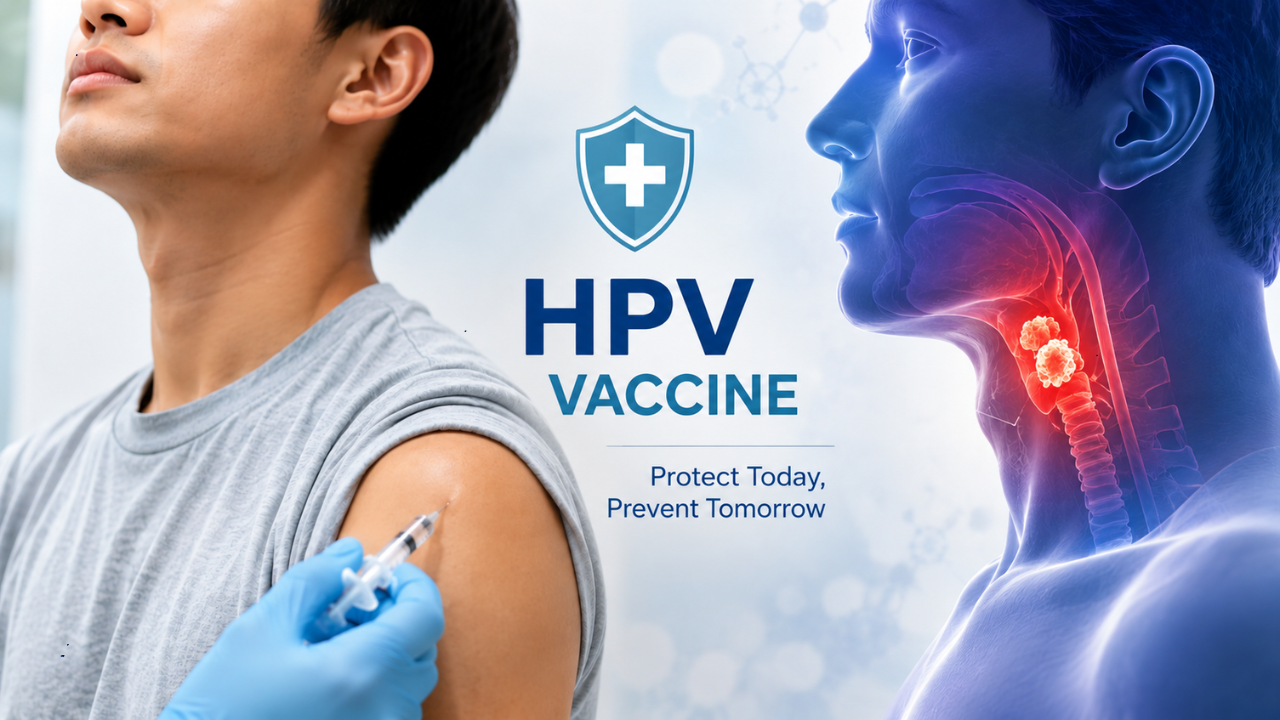
While HPV vaccines are most known for preventing cervical cancer, a top US doctor says they can also help curb the rising incidence of head and neck cancers. According to Mikkael A. Sekeres, Chief of the Division of Hematology and Professor of Medicine at the Sylvester Comprehensive Cancer Center at the University of Miami, Human papillomavirus (HPV) — the same sexually transmitted virus that can infect the genital area and lead to cervical cancer — is now the greatest risk factor for head and neck cancer. Writing in The Washington Post, Sekeres noted that HPV accounts for about 30 per cent of oropharyngeal cancer worldwide. HPV is believed to be responsible for the recent rise in head and neck cancers, which include malignancies affecting the mouth and throat (oral cavity and pharynx), voice box (larynx), sinuses and nasal cavities, and salivary glands. Sekeres said the US records about 60,000 new cases of head and neck cancers each year, while the global incidence is expected to rise by 30 per cent by 2030. What Are The Risk Factors? The expert noted that men develop oral cavity and pharynx cancers at approximately 2.5 times the rate of women. Major risk factors include: Tobacco use, including smoking, secondhand smoke and smokeless tobacco Chewing areca nut, also known as betel quid Heavy alcohol consumptionHPV infection Also read: PM Modi Launches Nationwide Free HPV Vaccination Drive; A Landmark Step, Says WHOThe Centers for Disease Control and Prevention (CDC) estimates that the high-risk HPV subtypes most associated with head and neck cancers are detectable in the mouths of 4 per cent of adults aged 18 to 69. While a pap test detects early-stage cervical cancer in women, no such test exists for penile, anal, or head and neck cancers in men, which can worsen their survival rate.HPV Vaccination Best Prevention Strategy Thus, Sekeres said: “The best way to prevent the most common types of HPV is through vaccination, with two doses of the vaccine recommended for children at age 11 or 12, or starting as early as 9 years and up to age 26 for those who missed it as a child". He noted that although the vaccine is approved for use up to age 45, it is generally less beneficial after age 26 because many individuals may have already been exposed to HPV. However, doctors can help determine whether vaccination may still be beneficial for adults. Earlier this year, the European Cancer Organization also urged broader HPV vaccination regardless of gender. “HPV affects everyone, regardless of gender. It can lead to cancers of the cervix, mouth and throat, anus and penis. This is why universal protection is so important,” the organization said in a social media post.Read More: Who Needs HPV Vaccine? Guide For Every Parent, Teen And Adult HPV Vaccine Can Boost Cancer Risk A 2026 study published in JAMA Oncology found that boys and men who received the HPV vaccine between the ages of 9 and 26 were nearly 50 per cent less likely to develop cancers of the head and neck, esophagus, anus, or penis. The findings, based on data of more than 510,000 boys and men, highlight the importance of vaccinating all children and adolescents against HPV, said Taito Kitano, first author of the study and a researcher at Nara Prefecture General Medical Center in Japan. “Children, adolescents, parents and health care workers should be more informed about the expected benefits of the HPV vaccine, not just cervical cancer,” Kitano said.