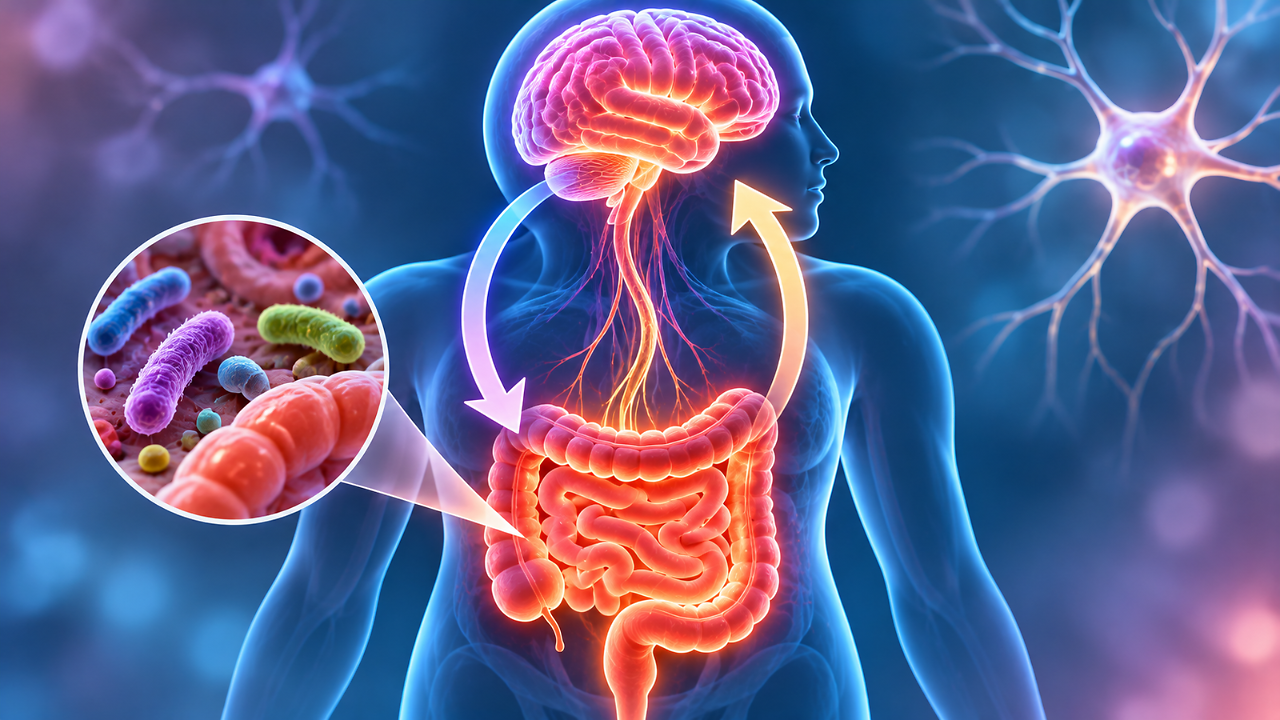
Irritable bowel syndrome (IBS) is often characterised by digestive symptoms like abdominal pain, bloating, constipation and diarrhoea. However, the condition involves more than the digestive system. A new review published in The Lancet explains how interactions between the gut and brain, changes in the gut microbiome, immune activity and the body's response to pain can contribute to the development of symptoms.The review, titled Irritable bowel syndrome and related disorders of gut-brain interaction, brings focuses on biological and psychological evidence behind IBS. Researchers describe it as a disorder of gut-brain interaction, in which signals between the digestive system and the central nervous system affect gut function.The authors also discuss chronic constipation and functional diarrhoea, which belong to the bigger group of disorders related to gut-brain interaction. These conditions may affect an estimated 20% of the global population.What Is The Gut-Brain Connection In IBS?Also read: Olympian Ciara Mageean Dies At 34 After Bowel Cancer Battle: Warning Signs In Young AdultsThe gut and brain communicate continuously through a complex network that involves the central nervous system, autonomic nervous system, enteric nervous system and hypothalamic-pituitary-adrenal (HPA) axis. The brain can influence intestinal movement, secretion and sensitivity, while signals from the gut can affect how the brain processes pain and other sensations.In people with IBS, this communication may become disrupted. The result can be changes in bowel movements, more sensitivity to normal digestive processes and abdominal discomfort.The authors said, “These central and peripheral mechanisms can act in an integrated way to cause IBS symptoms, via the gut-brain axis.”For instance, a person with IBS may experience pain or bloating even when the amount of gas or intestinal movement would not cause discomfort in someone without the condition. This is due to a condition called visceral hypersensitivity, in which the nerves supplying the digestive organs become unusually sensitive to internal sensations.The review explains that changes in both peripheral mechanisms within the gut and central mechanisms involving the brain can contribute to symptoms.Gut Bacteria And Inflammation May Contribute To IBSAlso read: Can Coffee Trigger Irritable Bowel Syndrome?The gut microbiome, which consists of microorganisms living in the digestive tract, is another important part of the gut-brain connection.Changes in the composition and activity of gut bacteria may impact intestinal function, immune responses and communication with the nervous system. The review identifies the following:Gut infections: Gastrointestinal infections can trigger IBS symptoms in some people, even after the initial infection has subsided.Altered gut microbiome: Changes in intestinal bacteria may affect digestion, immune activity and gut function.Increased intestinal permeability: Changes in the intestinal barrier may allow substances to pass through more easily, potentially contributing to immune activation.Low-grade inflammation: Mild inflammation in the intestinal lining and changes in immune function may contribute to symptoms.Abnormal gut movement: Changes in gastrointestinal motility can cause food and waste to move through the digestive tract too quickly or too slowly.Visceral hypersensitivity: Increased sensitivity in the gut can make normal digestive processes feel painful.Mental Health And IBS Psychological health is another component of the gut-brain axis. Stress, anxiety and other psychological difficulties can influence how the brain processes pain and communicates with the digestive system.The HPA axis, which helps regulate the body's response to stress, plays a role in this process . Changes in stress levels can affect gut movement, secretion and sensitivity.Currently, there is no single biomarker that can diagnose IBS. Doctors assess symptoms, medical history and clinical findings, while using tests to rule out other conditions.The review highlights that some underlying mechanisms can already be measured through approved tests and questionnaires. These include abnormal bile acid metabolism, accelerated movement of contents through the colon and psychological conditions.