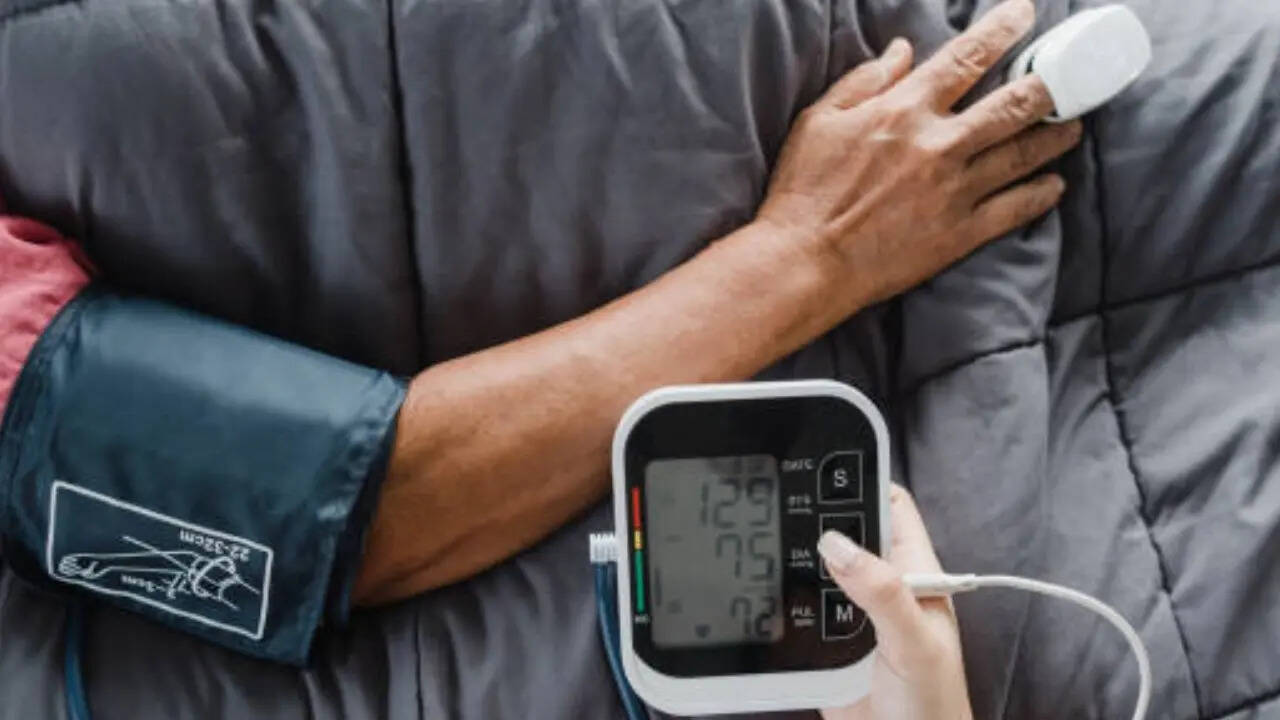
Blood pressure is one of the most important, yet overlooked, aspects of a healthy individual. Little do people realise that the force at which blood presses against the walls of the arteries can have a serious impact on long-term health—heart attack or stroke, for instance. Current guidelines from the American Heart Association state that adults should aim for a blood pressure reading of 130/80 millimetres of mercury (mm Hg). Some experts also say that this target is a little too aggressive for people who are prone to the side effects of blood pressure medication, such as falls and dizziness. But what would be the ideal blood pressure reading for older adults? Harvard Health experts have just answered this question.Blood pressure reading in the 60sAccording to recent studies, an intensive reduction in blood pressure in people aged over 60 is not only safe but is also associated with better outcomes than less aggressive treatment. According to a 2025 review, four randomised controlled trials were compared using two different strategies to control systolic blood pressure. The first aimed for a lower target, while the other strategy aimed for a higher systolic pressure. The trial included 2,600 people aged 75 years and older. Compared with a less aggressive strategy, there was a 39 per cent reduced risk of heart problems such as heart failure, heart attack, or stroke. There was also a 45 per cent lower risk of heart disease-related deaths.Additionally, researchers noted no differences in the rates of adverse events such as fractures, low blood pressure, cognitive decline, or falls. Upon expanding the analysis, the same conclusions held true for people aged 70 years and above.Rising hypertension riskThe risk of hypertension rises significantly with age. Among ageing adults, it is known as essential hypertension, as it helps deliver a sufficient amount of blood to the brain. With age, the blood vessels become less flexible and stiffer. Therefore, to reach the brain, an extra push is needed—as a result, systolic blood pressure can rise to as high as 150 mm Hg in people aged 65 years and above.Doctors, however, are reconsidering their approach to hypertension treatment in older adults. The recent findings suggest that many older people should aim to keep their systolic pressure below 130 mm Hg. This may require a combination of lifestyle changes and medication.Can one medication work?According to experts, one medication may not be sufficient to achieve ideal blood pressure. A single drug usually works well to lower blood pressure by an average of 5 to 10 points. Using a lower dose of two different blood pressure medicines is more effective than maximising the dose of one drug. This approach is also less likely to result in side effects.