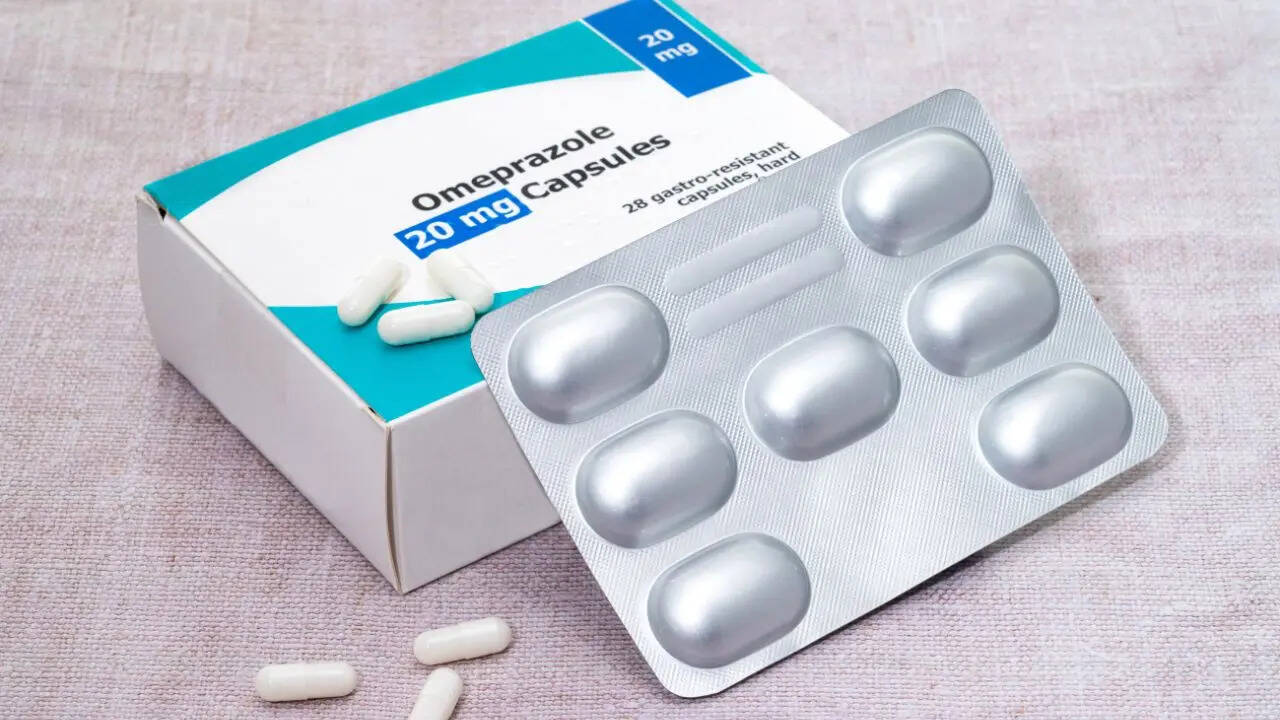
A pharmacist has warned that people taking certain long-term medications should stay alert to subtle symptoms such as numbness, tingling, and an unusually red or sore tongue. According to Superdrug Pharmacy Superintendent Niamh McMillan, as per Mirror, the signs are often easy to dismiss and may quietly develop over time in people with low vitamin B12 levels.Pharmacist Warns Certain Medicines May Trigger Overlooked Vitamin B12 SymptomsMcMillan explained that vitamin B12 plays a vital role in keeping nerves and blood cells healthy. A shortage can build up slowly, which means early symptoms are often brushed aside or mistaken for everyday fatigue.She said common warning signs include persistent tiredness or weakness, breathlessness, headaches, dizziness, pale skin, and a sore or red tongue. Some people may also notice pins and needles or numbness in their hands or feet, memory lapses, trouble focusing, or changes in mood such as feeling low or unusually irritable.Who Is Most At Risk Of Low B12 Levels?Vitamin B12 deficiency occurs when the body either does not get enough of the vitamin from food or struggles to absorb it properly. McMillan noted that people following vegetarian or vegan diets are at higher risk, as B12 is naturally found mainly in animal products.Older adults are also more vulnerable, as are people with digestive conditions such as coeliac disease or Crohn’s disease. In addition, those taking certain medications may be affected, particularly long-term acid-reducing drugs such as proton pump inhibitors or diabetes medication like metformin.Dietary Sources That Help Maintain B12 LevelsTo reduce the risk of deficiency, McMillan advised including reliable dietary sources of vitamin B12 wherever possible. Foods naturally rich in the vitamin include meat, fish, eggs, milk, cheese, and yoghurt.For people who avoid animal products, fortified foods such as some breakfast cereals and plant-based milks can help support intake. In some cases, supplements may also be useful, especially when diet alone is not enough or absorption is impaired.When To Seek Medical Advice?McMillan stressed that anyone experiencing symptoms or falling into a higher-risk group should speak to a healthcare professional. A simple blood test can measure B12 levels, and early treatment can help prevent lasting nerve damage or other complications.She added that Superdrug Health Clinics offer a Vitamin B12 Injection Service at selected UK locations, following clinical assessment or confirmation of deficiency.How Medications Can Interfere With Vitamin B12?Several commonly prescribed medications can affect how the body absorbs or uses vitamin B12. This often happens because the drugs alter conditions in the stomach or gut, making it harder for B12 to be released from food or absorbed into the bloodstream.Medications Linked to Vitamin B12 DeficiencyThe most frequently associated medications include:Proton Pump Inhibitors (PPIs): such as omeprazole, esomeprazole, and lansoprazoleH2 Blockers: including famotidine and cimetidineMetforminOral contraceptives, although experts continue to debate whether these cause a true deficiencyColchicine, used to treat gout and known to damage the intestinal liningAnticonvulsants, including drugs like phenytoin and phenobarbital, which can affect B-vitamin metabolismNitrous oxide, commonly known as laughing gas, which can rapidly inactivate existing B12 in the bodyAntibiotics, particularly long-term use of chloramphenicol or neomycin, which can disrupt gut bacteria involved in B12 processingWhat To Do If You Take These Medications Long Term?Experts advise people on these medicines not to stop treatment without medical guidance. Instead, they recommend staying alert for symptoms such as fatigue, tingling or numbness in the hands or feet, brain fog, or a sore, red tongue.Getting tested is also key. A straightforward blood test can confirm B12 levels, and many doctors now suggest regular screening for patients who take metformin or proton pump inhibitors over extended periods.