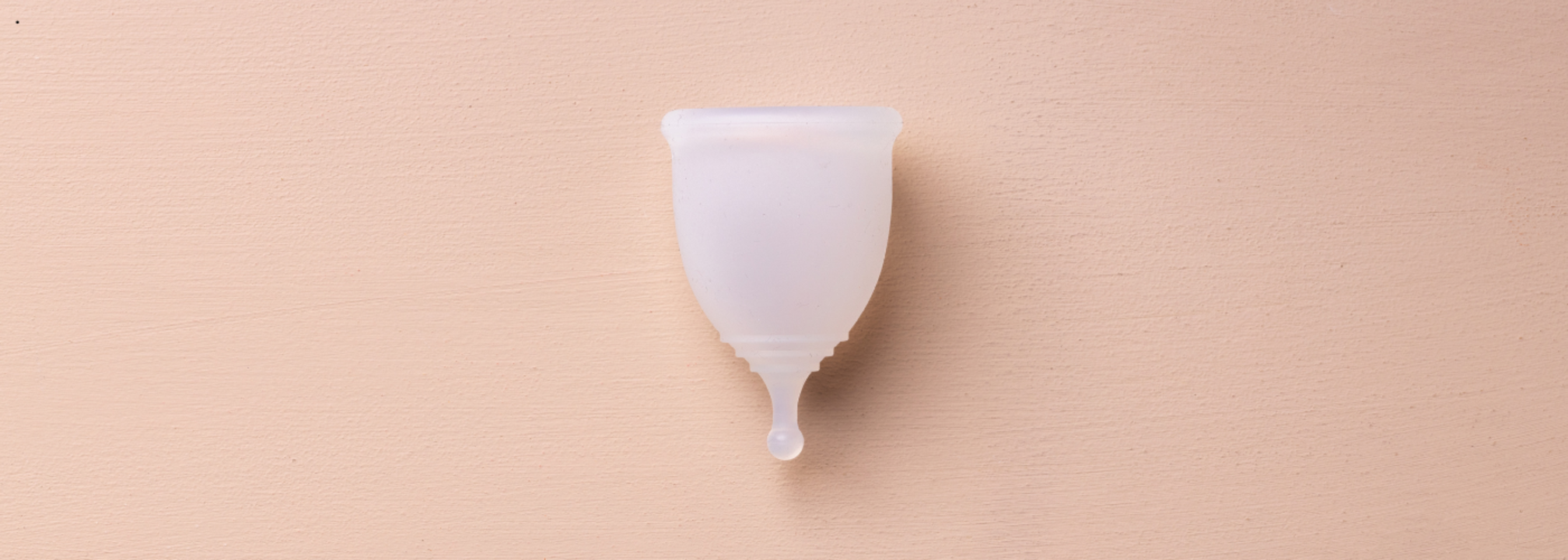
Menstrual cups provides a great alternative for those who want to get rid of the lingering worry of checking the sanitary pad, leaking through it and trying to find places to dispose it. Menstrual cup is sustainable and lasts longer too. But now doctors are advising women to take care while using menstrual cups. There is a rising concern after one users developed a temporary kidney problem because the cup was misaligned. The patient in her 30s was experiencing intermittent pelvic pain, reports BBC. She also experienced blood in her urine for months. As per one of the studies published in the British Medical Journal titled Ureterohydronephrosis due to a menstrual cup, Danish doctors have found that when a cup is poorly positioned inside the vaginal passage, it can press nearby structures like the ureters, which are the tubes that carry urine to the bladder. This is why a correct cup size and its proper insertion is important. Other potential risksAs per a Lancet Study from 2019, titled Menstrual cup use, leakage, acceptability, safety, and availability: a systematic review and meta-analysis, prolonged use of menstrual cup can lead to toxic shock syndrome or TSS. This is a rare but serious complicated condition that can happen due to bacterial infections. It happens when the Staphylococcus or Streptococcus bacteria — which naturally exist on your skin, nose, or mouth — are pushed deeper into the body.When a tampon or a menstrual cup is inserted longer than the recommended duration, it could lead to TSS. However, it is rare. What are the ways you could reduce your risk for TSS:Wash your hands with warm water and antibacterial soapClean your cup as recommendedApply small amount of water-based lube if you need any aid insertionHow To Use Menstrual Cup Safely?They are reusable and sustainable alternatives to sanitary pads and tampons. They are made of soft and flexible silicone or rubber and can hold 20 to 30 ml of blood, which is around two tablespoons. It does not have to be disposed, but can be removed, emptied, washed and reinserted in every four to eight hours. The right menstrual cup depends on your age, your blood flow and the cervical position as well as pelvic floor strength.Usually smaller sizes are for people under 25 to 30, whereas teens who are new to having periods. Medium works best for those who have not given birth yet, and have heavier period. Large sizes are for those with birth history. This is also because with pregnancy, your pelvic-floor muscles weaken.How To Use It?Using a menstrual cup could be tricky for the first time users, especially when it comes to removal. As per a survey published in the Australian and New Zealand Journal of Obstetrics and Gynaecology, 530 young people reported that they found it difficult to remove the menstrual cup in their first attempt. Inserting Menstrual CupWash your hands with a mild soap.Make sure your cup is cleaned too as recommended.Find a relaxed position, sitting on the toilet seat or squatting in the shower. Fold your cup to insert inside your vagina. There are different fold you can try, including the "C" fold, the "punch down" fold, and the "7" fold. Now gently insert the folded cup in your vagina. Separate your out labia apart with your index finger, then slide your folded cup with the middle finger. The cup should be fully inside your vagina with the stem of the cup 1/2 inch of your vaginal opening. Once in, you should feel a pop, this means your cup is fully open.Removing the cupWash your hands with warm water and a mild soap.Sit in a comfortable position.Gently wiggle the cup down through the vaginal opening by putting light pressure on the cup so the suction breaks.Then use the stem to pull out the cup carefully.Empty the cup and wash it before you insert it again.