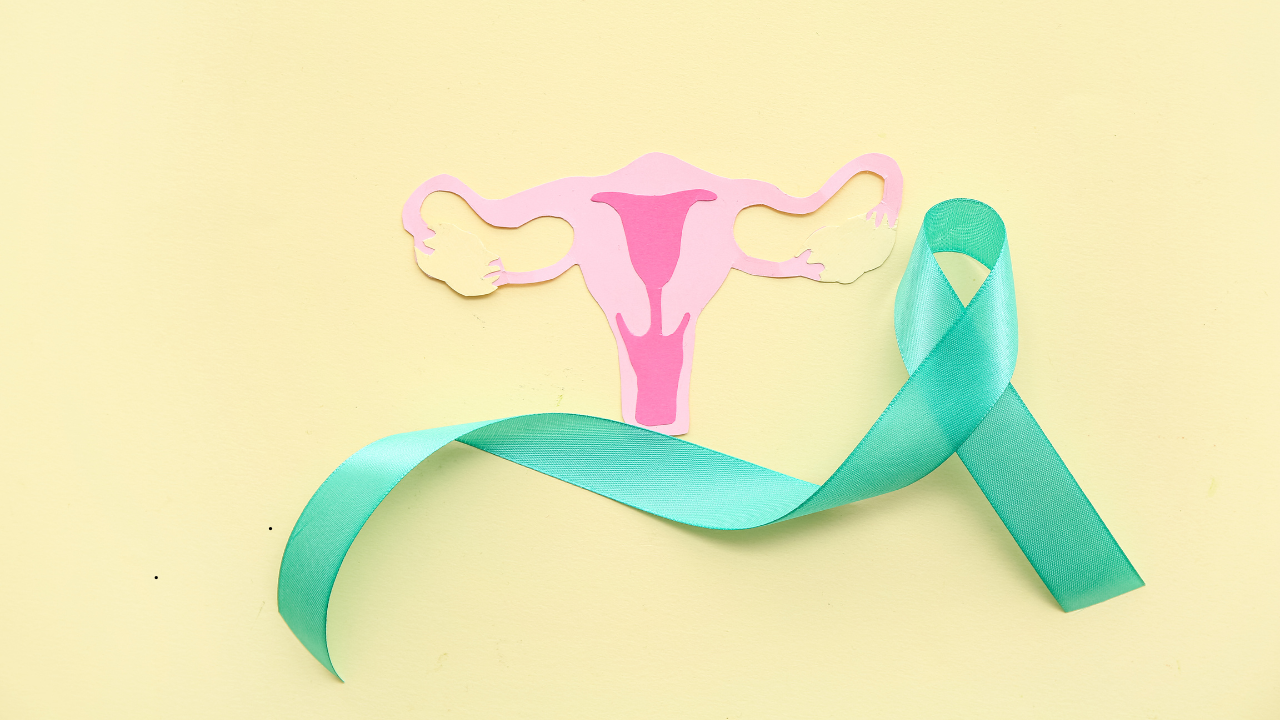
India is home to 25 per cent of the world's annual count of cervical cancer fatalities. According to the World Health Organization GLOBOCAN report of 2022, India reports over 120,000 new cases with nearly 80,000 fatalities. This is the highest death-toll worldwide from cervical cancer each year. In India, a new case is diagnosed every four minutes, and another woman dies approximately every seven minutes. Persistent infection with high-risk HPV strains, especially types 16 and 18, is the leading cause of cervical cancer. Meanwhile, studies show that even a single dose of the HPV vaccine can provide long-lasting, potentially lifelong protection.To combat this, India launched a nationwide campaign to vaccinate young girl against the human papillomavirus (HPV). This is also the second most common cancer among women in the country. India kicked off the nationwide campaign on 28 February. Prime Minister Narendra Modi at Ajmer city in the western state of Rajasthan inaugurated this campaign. Vaccines were made available free-of-cost at government facilities to approximately 11.5 million girls aged 14 years across the country. Currently, approximately one in every 50 girls born in India is expected to develop cervical cancer during her lifetime, and widespread vaccination is likely to reduce this risk significantly," said Partha Basu, Head, Early Detection, Prevention & Infections Branch at the International Agency for Research on Cancer.What Is Cervical Cancer?Cervical cancer develops in a women's cervix (uterus opening) due to abnormal cell growth, primarily caused by persistent HPV infection, a common infection that's passed through sexual contact.When exposed to HPV, the body's immune system typically prevents the virus from causing damage however, in a small percentage of people, the virus can survive for years and pave the way for some cervical cells to become cancerous.Treatment involves surgery, radiation, and chemotherapy, with early detection significantly improving outcomes, though it remains a major cancer in low-income countries Cervical cancer can also be prevented through vaccination and regular screening (Pap/HPV tests).Symptoms Of Cervical CancerCervical cancer has no symptoms in the early days and therefore, is hard to detect until it has spread. However, the early-stage symptoms include:Vaginal bleeding after sexVaginal bleeding post-menopauseVaginal bleeding between periods or unusually heavy/long periodsWatery vaginal discharge with a strong odor or containing bloodPelvic pain or pain during intercourseAdvanced Cervical Cancer Symptoms (when cancer has spread beyond the cervix)Painful or difficult bowel movements or rectal bleedingPainful or difficult urination or blood in the urinePersistent dull backacheSwelling of the legsPain in the pelvis or lower abdomen