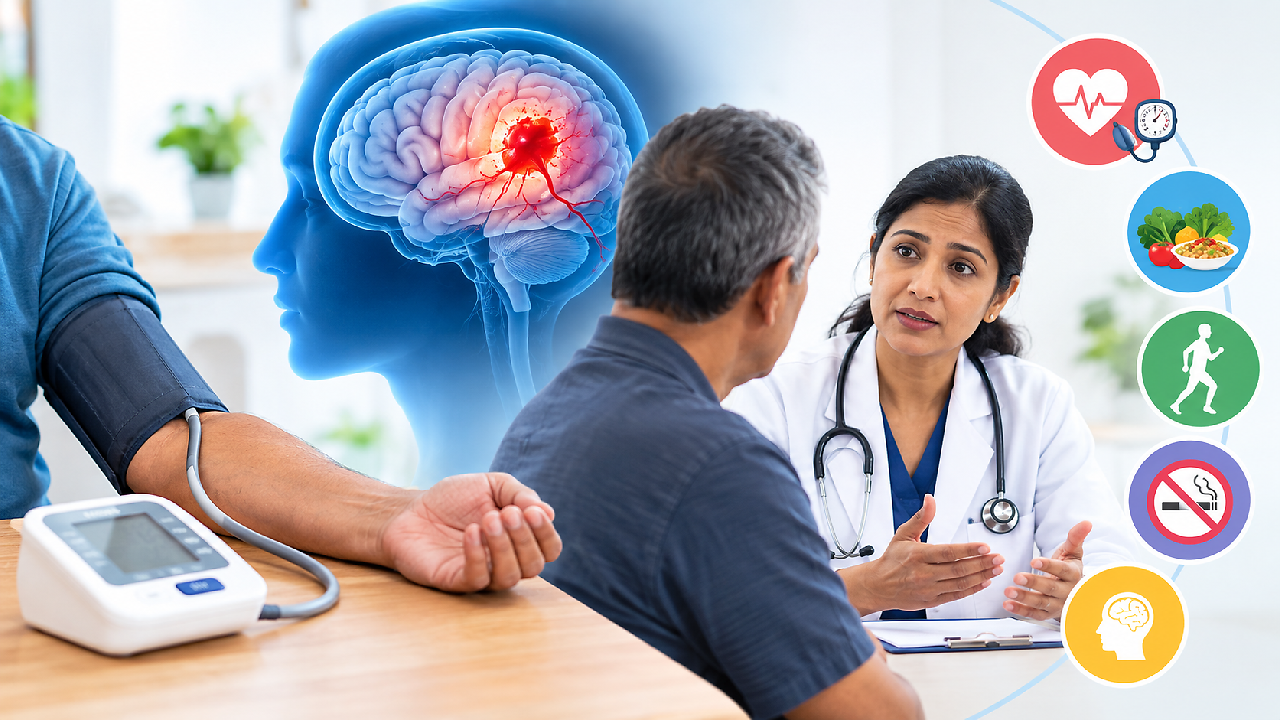
After a brain bleed, controlling blood pressure is crucial—but is it enough to prevent another stroke? Neurologists explain why consistent BP monitoring, regular medicines, lifestyle changes, and follow-ups matter after discharge. They also share warning signs families should never ignore and when sudden BP rises require urgent medical attention.Is Blood Pressure Control Enough After A Brain Bleed? Dr Shubha Subramanian - Senior Consultant - Neurology - Kauvery Hospital, Vadapalani, Chennai told Health and Me, "After a brain bleed, controlling BP is extremely important, but this is only for spontaneous intracerebral haemorrhage, not in cases of an AV malformation, an aneurysm-related bleed, or a traumatic bleed, where the aetiology is different." He added, "In case of idiopathic spontaneous intracerebral haemorrhage, probably because of BP fluctuations or high BP, in that case, for secondary prevention, there will be a reduced number of bleeds if the BP is well controlled. Consistent control is very, very important."After a brain bleed, patients should regularly monitor blood pressure and pulse, with diabetics also checking blood sugar at home. Periodic blood tests and ECGs may be advised. Families should watch for confusion, seizures, weakness, changes in speech, or facial drooping. Recognising these warning signs early and maintaining consistent BP control can help prevent another bleed.The Common Mistakes That Can Raise The Risk"Common mistakes include missing medications, not monitoring blood pressure regularly, stopping follow-up visits when they are feeling better, smoking and consuming too much alcohol, and returning too soon to strenuous activity," said Dr. Soniya Tambe, Consultant, Neurology, Fortis Hospital, Bannarghetta Road, Bengaluru. She added, "Patients also may ignore symptoms such as severe headache, weakness, speech difficulty, or vision changes. These signs should never be dismissed." What To Eat And Avoid During RecoveryRecovery after a brain bleed doesn’t stop when a patient leaves the hospital. The steps taken at home are equally important in reducing the risk of another stroke. Along with taking medicines as prescribed and keeping blood pressure under control, patients should focus on making healthy, long-term lifestyle changes rather than following temporary restrictions.A balanced, low-salt diet can support recovery, while smoking and alcohol should be avoided. Patients should ease back into physical activity gradually and only with their doctor’s advice, especially in the early recovery period. Getting enough sleep, maintaining a healthy weight, and managing stress are also important. Regular follow-ups help monitor blood pressure and other heart-related risk factors.Warning Signs Families Should Never Ignore Dr. Praveen Chander, Senior Consultant Neurology, Gleneagles Chennai, told Health and Me, "Families should also recognise sudden weakness or numbness, difficulty speaking, confusion, loss of balance, severe headache, or sudden vision changes as possible warning signs. These symptoms require immediate medical attention rather than waiting for them to settle."