
- Health Conditions A-Z
- Health & Wellness
- Nutrition
- Fitness
- Health News
- Ayurveda
- Videos
- Medicine A-Z
- Parenting
Is Disease X Making A Comeback In 2026?
Credits: Canva
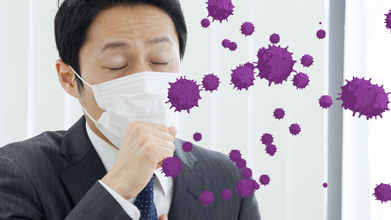
The global health community is not predicting the next pandemic, but it is issuing a clear warning. The conditions that allow a deadly outbreak to spiral out of control are quietly returning. Vaccination rates are falling, viruses are evolving faster than surveillance systems can keep up, and public trust in health measures is fragile. Together, these factors are pushing the world into dangerous territory.
This time, the concern is not about a mystery virus appearing out of nowhere. It is about known threats that are already circulating and being underestimated.
What Exactly Is “Disease X”?
“Disease X” is the World Health Organization’s (WHO) placeholder term for a future pandemic-causing pathogen. It could be a new virus or an existing one that mutates just enough to spread rapidly among humans.
In 2026, experts say the risk comes from “known unknowns”. These are viruses already present in humans or animals that need only one major mutation or spillover event to trigger a global crisis. This assessment is based on current data, immunity gaps, and weak global monitoring, not fear or speculation.
Mpox Is No Longer Rare
Mpox was once considered a geographically limited and relatively rare disease. That assumption no longer holds. Since 2022, the virus has spread to over 100 countries, embedding itself across regions where it had never been seen before.
What has scientists worried is how quickly mpox is changing. By late 2025, a hybrid strain combining two dangerous clades was detected. New cases have appeared without any travel history, suggesting local transmission is now taking place. This signals that the virus is no longer contained and may continue evolving in human populations.
Rubella’s Dangerous Comeback
Rubella’s return is especially troubling because it is preventable. Falling MMR vaccination rates have created immunity gaps, with coverage in some regions dropping well below the 95 percent threshold needed for herd protection.
The risks are severe. If a woman contracts rubella during pregnancy, up to 85 percent of cases can result in congenital rubella syndrome. This can cause miscarriage, stillbirth, or lifelong conditions such as deafness, heart defects, and intellectual disability.
Measles has already shown what happens when vaccine uptake drops. UK measles cases surged to a decade high in 2025, acting as an early warning for what rubella could do next.
Bird Flu Remains a Persistent Threat
H5N1 bird flu has long been on pandemic watchlists, but recent developments have heightened concern. Since 2020, the virus has devastated bird populations and crossed into mammals, including dairy cows. Alarmingly, it has also been found circulating through milk.
While antivirals and vaccines exist, experts caution that a new flu pandemic would still overwhelm health systems, especially in a world that has not fully rebuilt its preparedness after COVID-19.
Oropouche and the Climate Factor
Oropouche virus, often called sloth fever, is another emerging concern. Spread by biting midges, it causes fever, muscle pain, rashes, eye pain, and vomiting. Once confined largely to parts of the Americas, cases have now been reported in Europe, including the UK.
As climate change expands the range of insects that carry disease, experts expect Oropouche outbreaks to continue and spread further.
Why These Viruses Matter
These four viruses share key warning signs. They spread efficiently, adapt to changing environments, and show potential to outpace existing vaccines. None is guaranteed to become the next pandemic.
Disease X is not a prediction. It is a reminder that preparedness depends on vigilance, vaccination, and trust, long before hospitals fill and borders close.
How Long Should Children Be Playing Video Games Every Day?

Credit: Canva
Students gaming more than 10 hours a week can have long-lasting negative effects on their physical and mental health, a new Australian study suggests.
Researchers from Curtin University, Perth have found that playing online games for over 10 hours can worsen diets, increase body weight and led to poorer sleep than lighter gamers.
Professor Mario Siervo, Curtin School of Population Health said of the results: "What stood out was students gaming up to 10 hours a week all looked very similar in terms of diet, sleep and body weight. The real differences emerged in those gaming more than 10 hours a week, who showed clear divergence from the rest of the sample."
What Did The Study Find?
Researchers surveyed 317 students across five Australian universities, with a median age of 20, to understand how time spent gaming each week might affect their diet, sleep, and body composition.
Students were categorized as low gamers (zero to five hours a week), moderate gamers (five to 10 hours) or high gamers, who played video games for more than 10 hours each week.
They found that low and moderate gamers showed largely comparable health outcomes but health indicators deteriorated sharply among students whose gaming time exceeded 10 hours a week.
The study found diet quality declined and obesity was more common once gaming exceeded 10 hours a week, with each extra hour linked to poorer diets even after accounting for other lifestyle factors. While high gamers recorded a body mass index (BMI) of 26.3kg/m2, low and moderate gamers fell within a healthier range, with median BMIs of 22.2kg/m2 and 22.8kg/m2 respectively.
Professor Siervo said: "Each additional hour of gaming per week was linked to a decline in diet quality, even after accounting for stress, physical activity and other lifestyle factors."
Additionally, sleep quality was generally poor across all groups but students who played video games for moderate or high amounts of time reported worse sleep than low gamers.
Despite clear results, the expert added that the study does not prove cause and effect but shows excessive gaming is linked to higher health risks, while low to moderate play appears largely fine.
Why Is Playing Video Games Bad For You?
According to the researchers, moderate gaming is not a significant problem for most students but the concern arises when long gaming sessions begin to replace essential daily routines such as eating well, getting enough sleep and staying physically active."Our data suggests low and moderate gaming is generally fine, but excessive gaming may crowd out healthy habits such as eating a balanced diet, sleeping properly and staying active.
"Because university habits often follow people into adulthood, healthier routines such as taking breaks from gaming, avoiding playing games late at night and choosing healthier snacks may help improve their overall well-being," Professor Siervo said.
Playing video games for excessive amount of time has also been linked to paving the way for mental health problems such as anxiety, depression, aggression and poor emotional control as well as social/life problems including neglecting responsibilities, isolation, poor relationships, academic/career impact.
Moreover, previous research has also found that playing games for over three hours straight significantly raises the risk of physical issues. Sessions exceeding this time frame can lead to eye fatigue, headaches, neck pain and wrist pain, regardless of the player's age or gender.
This study was published in Nutrition on January 16.
Nick Jonas Reveals He Why He Walked Out Of Golden Globes 2026

Credit: Canva
Days after eagle-eyed fans spotted Nick Jonas stepping out of the Golden Globes during the Nikki Glaser-hosted show in Los Angeles, the popstar has now revealed what led to him there.
In an X video from January 11, Jonas was seen standing alone outside of a tent at the Beverly Hilton hotel surrounded by palm trees and green foliage, looking like he was taking a breather while sipping from a glass bottle of water and rubbing his chin.
As the clip began to go viral online, users shared their guess on why he had to exit the ceremony, commenting, "Social anxiety got the best of him." Soon after, he did reveal that he anxiety had "hit him like a gut punch" on X.
Living with Type 1 diabetes, Jonas has previously spoken about the emotional challenges of managing a chronic condition and how it has affected his life.
What Is Social Anxiety?
As explained by Dr Sanil Sinhasan, Consultant Psychiatrist at Mind Care Clinic and SRV Hospital, Mumbai, to Health Shots: "Social anxiety disorder is an intense fear of being judged, rejected, or embarrassed in social or performance situations.
"People with social anxiety often worry excessively about how they look, speak or are perceived by others."
This kind of anxiety is typically triggered by meeting new people, public speaking or even everyday interactions like eating in public, stemming from fears of negative evaluation by others.
Symptoms include blushing, sweating, trembling, rapid heartbeat, nausea, dizziness, trouble speaking, stomach issues. If left untreated, social anxiety can become debilitating as it can also cause fast, shallow breathing, muscle tension, suffocation, symptoms that can intensify anxiety further and lead to serious medical events.
How To Overcome Social Anxiety?
Experts recommend practicing deep breathing and mindfulness to ease social anxiety in public settings. Additionally, lifestyle changes such as exercise, sleep nda healthy diet with mental strategies like challenging negative thoughts and shifting focus outward can also help.Professional therapies such as Cognitive Behavioral Therapy (CBT) and medication such as antidepressants (SSRIs/SNRIs) can offer deeper solutions for managing fear and building skills.
Regular physical activity can also help release endorphins and reduce tension as well avoiding excess caffeine can support mental health.
Mental health experts also recommend opening up to loved ones and avoiding isolation. Speaking to loved ones and sharing how you’re feeling can help ensure your current state doesn’t aggravate.
Doctors also advise speaking therapist if social anxiety significantly impacts your life as professional help is crucial for lasting change.
Oncologist Reveals 5 Subtle Cervical Cancer Signs That You May Miss

Credit: Canva
Wondering if abnormal bleeding, pelvic pain and leg swelling are signs of something fatal?
According to Dr Ninad Katdare, Consultant Surgical Oncologist, Jaslok Hospital & Research Centre, they may be symptoms of cervical cancer. While many may expect drastic signs such as severe pain, heavy bleeding or obvious illness, identifying certain symptoms can help with early diagnosis and treatment.
Cervical cancer develops in a women's cervix (uterus opening) due to abnormal cell growth, primarily caused by persistent HPV infection, a common infection that's passed through sexual contact.
When exposed to HPV, the body's immune system typically prevents the virus from causing damage however, in a small percentage of people, the virus can survive for years and pave the way for some cervical cells to become cancerous.
Treatment involves surgery, radiation, and chemotherapy, with early detection significantly improving outcomes, though it remains a major cancer in low-income countries. Cervical cancer can also be prevented through vaccination and regular screening (Pap/HPV tests).
Dr Katdare told News18: "In its early stages, it is often more of a whisper than a shout. As a cancer surgeon who has treated hundreds of women with gynaecological cancers, I can say with confidence that recognising these subtle cues can lead to earlier diagnosis and significantly better outcomes."
He recommends looking out for these early signs:
1. Intermenstrual Bleeding
Intermenstrual bleeding occurs between regular menstrual periods, ranging from light spotting to heavier flow, often linked to hormonal shifts, ovulation or infections (cervicitis). However, according to Dr Katdare, this sign should not be ignored as it is one of the most common early warning signs of cervical cancer.2. Changes In Vaginal Discharge
Vaginal discharge is a normal, natural fluid that cleans and protects the vagina and can vary in color (clear to white), consistency (watery to thick) and amount throughout the menstrual cycle.But Dr Katdare warns that any sudden or abnormal changes in discharge may be a symptom of the cancer. “Because discharge issues are commonly linked to infections, many women self-medicate or delay seeking care," he said. “While infections are far more common, chronic or unusual discharge especially in older women requires thorough evaluation."
Discharge may become persistent, watery, foul-smelling, or tinged with blood or pink, brown, or rust-colored if you're suffering from this kind of cancer.
3. Persistent Pelvic Pain
Consistent pelvic pain particularly that occurs outside the menstrual cycle or during sexual intercourse should be a point of concern. According to Dr Katdare, "Pain during intercourse, or dyspareunia, is especially important. It should not be dismissed as ‘just dryness’ or an age-related change. In cervical cancer, this pain may result from inflammation or tumour growth involving the cervix and surrounding tissues."
4. Leg Swelling
Unnatural and unexplained leg swelling of one leg, particularly if it occurs on one side may suggest that the cancer is progressing and spreading in the body. “This happens due to pressure on pelvic blood vessels," explained Dr. Katdare, “and should not be ignored."5. Urinary And Bowel Symptoms
As cervical cancer advances to higher stages, it can begin to affect nearby organs including the bladder and kidneys. Symptoms such as frequent urination, difficulty emptying the bladder, constipation, or rectal discomfort may also begin to develop.“These symptoms are often evaluated in isolation because they don’t seem related to the cervix," said Dr Katdare, “which can delay the correct diagnosis."
Ultimately the expert advised: "“Cervical cancer does not always announce itself loudly,. Sometimes, it leaves silent clues. The sooner you listen to them, the better the outcome. If something feels ‘off,’ trust that instinct and seek medical advice. Early action can make the difference between a curable disease and a life-altering diagnosis."
- Follow Us :


© 2024 Bennett, Coleman & Company Limited