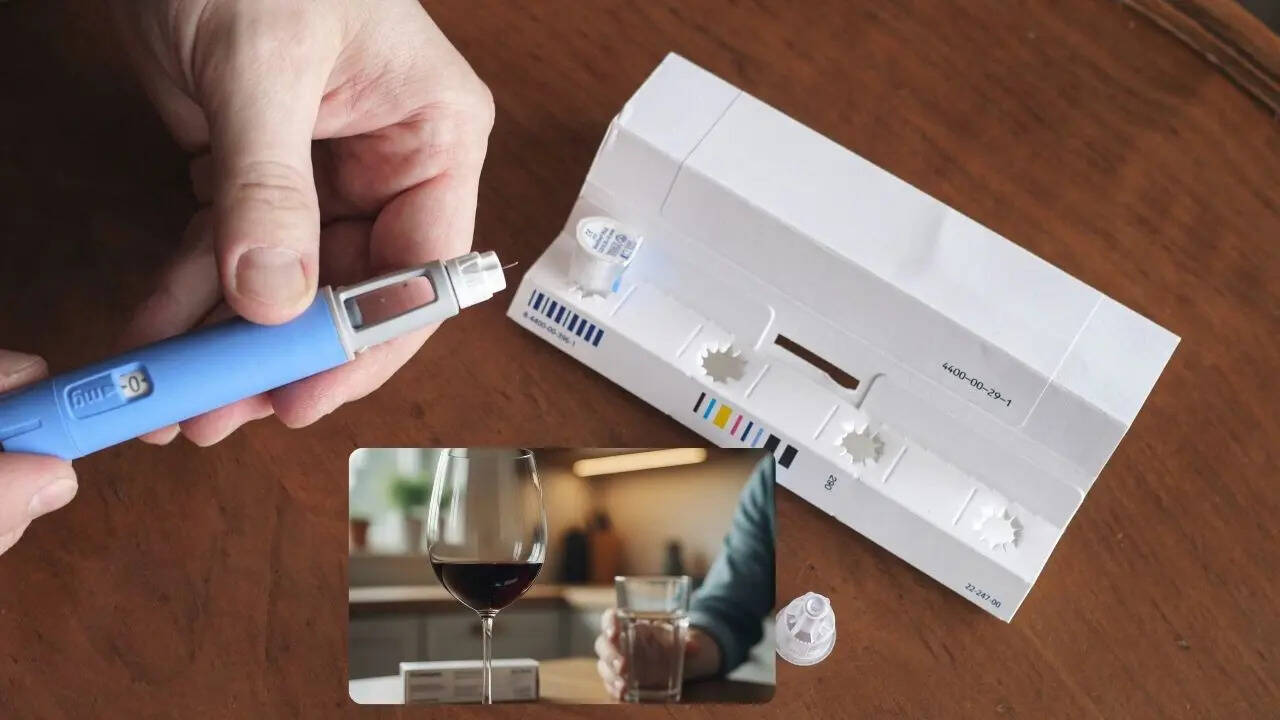
Ozempic (semaglutide) has quickly become a widely used drug for managing type 2 diabetes and supporting weight loss. With its growing use, many people are wondering whether it has any interaction with alcohol. There have also been reports suggesting that Ozempic may reduce alcohol cravings in some users. While it is not always necessary to completely avoid alcohol while taking Ozempic, doctors say there are certain side effects and risks that should not be ignored. To understand this better, we spoke with Dr Monika Sharma, Senior Consultant in Endocrinology at Aakash Healthcare.Also Read: Nicotine Pouches: Are They Really A Safer Alternative To Smoking, Or Just Another Health Risk?Can Ozempic Make Alcohol Hit Twice as Hard?Yes, alcohol can feel noticeably stronger when taken alongside medications like Ozempic, and this has a lot to do with how the drug alters digestion, metabolism, and brain signalling. Ozempic belongs to a class of medicines called GLP-1 receptor agonists. It is primarily prescribed for type 2 diabetes and is increasingly used for weight management. One of its key actions is slowing down stomach emptying, meaning that both food and liquids stay in the stomach longer before moving into the intestines.Dr Sharma explains, “When alcohol is consumed, delayed gastric emptying can lead to uneven absorption. In some people, alcohol enters the bloodstream later but more rapidly once absorption begins, which can raise blood alcohol levels faster and intensify intoxication even with smaller amounts.”Ozempic and Alcohol: Reduced Appetite and Drinking On An Empty StomachAnother major factor is appetite suppression. Many people on Ozempic eat significantly less or skip meals altogether, either intentionally or due to reduced hunger. Drinking alcohol on an empty or nearly empty stomach allows it to be absorbed more quickly, as there is little food to slow the process. As a result, an amount of alcohol that once felt manageable may suddenly cause dizziness, flushing, nausea, or loss of coordination much sooner than expected.Also Read: Delhi Sees Rising Cancer Burden With Sharp Increase in Oral and Lung Cancers; Breast Cancer Remains Most CommonOzempic and Alcohol: Brain Effects and Alcohol SensitivityOzempic also affects areas of the brain linked to reward, fullness, and impulse control. Emerging research suggests that GLP-1 receptor agonists may lower cravings for substances like alcohol, while at the same time increasing sensitivity to its effects. This means that even if the desire to drink decreases, the body’s reaction to alcohol may feel stronger or more unpleasant. Many users report unusual tiredness, light headedness, or nausea after just one drink, often describing it as alcohol “hitting twice as hard.”Ozempic and Alcohol: Blood Sugar Changes and Hypoglycemia RiskBlood sugar regulation is another concern. Alcohol can cause fluctuations in glucose levels, and when combined with a medication that tightly controls insulin release and glucose use, the risk of low blood sugar increases, particularly for people with diabetes. Symptoms of hypoglycemia include sweating, shaking, confusion, and palpitations. These signs can resemble alcohol intoxication or worsen its effects, making the experience more intense and potentially dangerous.Ozempic and Alcohol: Dehydration and Slower RecoveryDehydration also plays a role. Ozempic can cause side effects such as nausea, vomiting, and reduced fluid intake, all of which increase the risk of dehydration. Alcohol further depletes fluids, and when the body is already low on hydration, alcohol’s impact on the brain and heart becomes stronger. This can lead to faster intoxication, headaches, and a longer recovery time after drinking.Ozempic and Alcohol: Gut Sensitivity and Worsening Side EffectsGastrointestinal sensitivity should also be considered. Ozempic commonly causes nausea, bloating, acid reflux, and stomach discomfort, especially in the early months of treatment. Alcohol irritates the stomach lining and relaxes the lower oesophageal sphincter, which can worsen these symptoms. Together, even small amounts of alcohol can trigger stronger negative reactions, reinforcing the feeling that tolerance has suddenly dropped.Why Alcohol Feels Stronger On OzempicWhile Ozempic does not directly interact with alcohol the way some medications do, its indirect effects on digestion, hydration, metabolism, and the nervous system can make alcohol feel more potent. This is why moderation is strongly advised. People taking Ozempic should limit alcohol intake, avoid drinking on an empty stomach, stay well hydrated, and pay close attention to how their body responds.In short, Ozempic can make alcohol feel stronger not because it increases alcohol levels directly, but because it changes how the body processes and reacts to alcohol. Being aware of this interaction can help people make safer, more informed choices while using this medication.