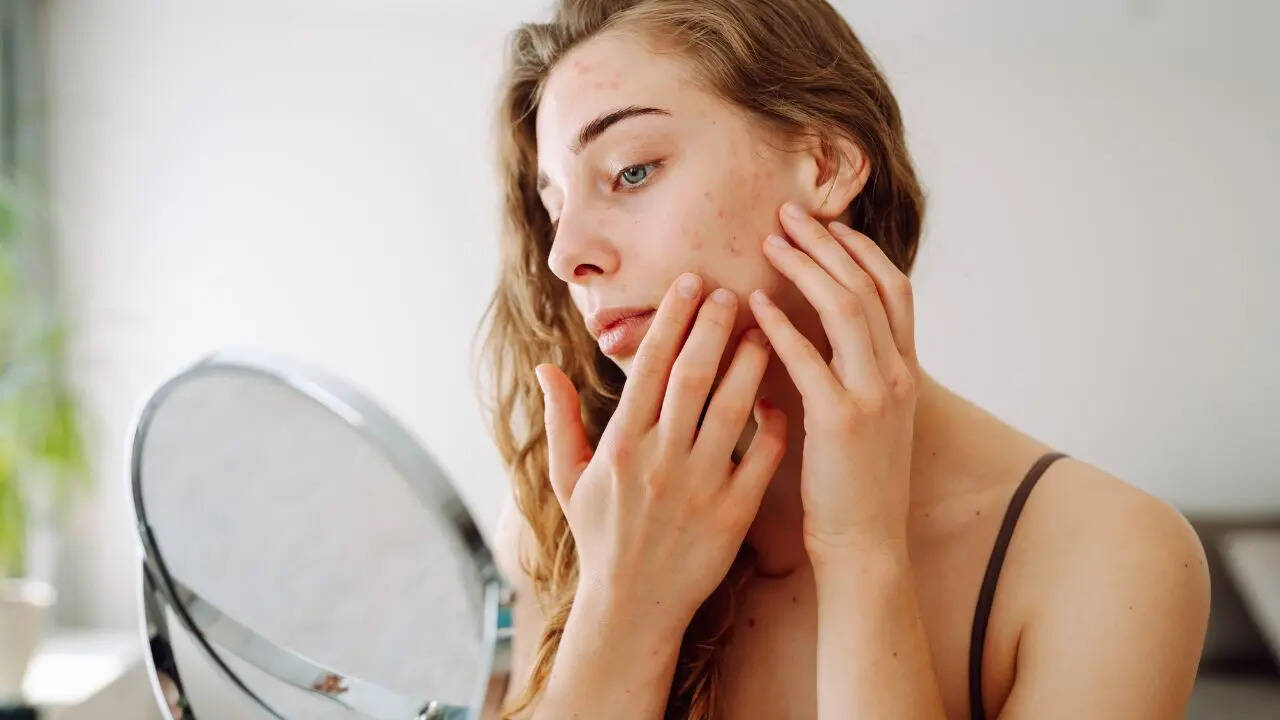
Air pollution is now recognised as a major trigger for skin problems. Dust, smoke residues, PM2.5 particles, and heavy metals settle on the skin through the day. They weaken the barrier, disturb the skin’s balance, and speed up signs of ageing. People living in crowded, high-traffic areas often notice dullness, pigmentation, breakouts, and sensitivity more than those in cleaner environments.Two skin specialists helped us understand the early warning signs you should never overlook.8 Signs Your Skin Is Reacting to Pollution1. Sudden Dullness and Loss of GlowPollutants oxidise the skin’s natural lipids and damage its protective layer. This makes the face look tired and lifeless even when sleep and nutrition are well balanced. Many people notice a loss of glow on days spent outdoors, especially during peak pollution periods., as per Dr Geeta Grewal, Cosmetologist and Founder of 9Muses Wellness Clinic2. More Blackheads and Clogged PoresDr Grewal notes that PM2.5 particles slip into pores and mix with sweat and sebum. This leads to blackheads, whiteheads, and congested skin. A rough, bumpy texture is one of the most common pollution-related concerns.3. Frequent BreakoutsRising pollution levels increase inflammation and oxidative stress, which disrupts the skin’s microbiome. These changes can bring tiny breakouts, fungal acne-like clusters, or painful pimples. Environmental irritants often act as hidden triggers, especially in urban areas.4. Uneven Skin Tone and PigmentationConstant oxidative stress encourages the skin to produce more melanin. According to Dr Grewal, this results in dark spots, sun spots appearing sooner, and patchy pigmentation along the cheeks, nose, and forehead. Many people mistake this for sun damage alone, but pollution plays a major role.5. Increased SensitivityIf skincare products that once felt comfortable now sting or cause redness, pollution may be weakening your skin barrier. Warning signs include burning, itching, a warm sensation on the skin, or sudden irritation without a clear cause, as per Dr Ameesha Mahajan, Cosmetic Dermatologist and Founder, Eden Skin Clinic.6. Early Fine Lines and Premature AgeingDr Mahajan explains that pollutants trigger free radical damage. This breaks down collagen and elastin, the proteins that keep skin firm and smooth. Over time, it leads to wrinkles, crow’s feet, and mild sagging around the eyes and mouth.7. Dry, Rough, or Dehydrated SkinPollutants strip moisture and damage the barrier, causing tightness and flakiness even in people with oily skin. When the barrier is compromised, moisturisers stop working as well, which worsens dehydration.8. Frequent Rashes or Dermatitis FlaresPeople with sensitive skin conditions such as eczema, psoriasis, or rosacea may notice more flare-ups when pollution rises. Dr Mahajan says that constant exposure can lead to rashes, bumps, and patchy irritation that keeps returning.Avoiding pollution entirely is difficult, but protecting your skin is possible. Strengthen the barrier with antioxidants, sunscreen, gentle cleansers, and weekly detox habits. Watch for the early warning signs mentioned by the experts and act early. A strong skin barrier remains the most reliable way to maintain clear, healthy, and youthful skin despite rising pollution levels.