
- Health Conditions A-Z
- Health & Wellness
- Nutrition
- Fitness
- Health News
- Ayurveda
- Videos
- Medicine A-Z
- Parenting
Keeping Your Phone In These Places Is Unknowingly Causing You Harm

Places You Should Not Keep Your Phone At (Credit: Canva)
You and your phone are inseparable. You carry it everywhere you go, even into the washroom. While this is extremely convenient, it is equally harmful to your health. According to experts, cell phones and other electronic gadgets can prove to be breeding grounds for bacteria and other harmful microbes, while the harmful radiation can be detrimental to your well-being.
Here Are Places You Should Not Keep Your Phones
1. In Your Pocket
Keeping your phone in your pocket exposes your body to higher radiation levels, which are two to seven times greater than when stored in a purse or holster. This radiation has been linked to tumour growth and DNA structure alterations, potentially increasing the risk of cancer. Men face an additional risk, as radiation exposure can negatively impact fertility. Sitting on your phone may also lead to physical health issues such as sciatica or other back problems.
2. In Your Bra
Storing your phone in your bra exposes the skin to harmful bacteria that can cause irritation and infections. Additionally, the close proximity to radiation raises concerns about its potential link to breast cancer, though the evidence is still inconclusive. However, the risk of long-term radiation exposure and skin irritation makes this a harmful habit.
3. In Your Bed or Under Your Pillow
Sleeping with your phone under your pillow creates heat buildup, which can be a fire hazard, especially if your phone is charging or has a defect. The LED light from your phone disrupts melatonin production and circadian rhythms, leading to poor sleep quality and potential long-term sleep disorders. Prolonged radiation exposure during sleep also increases concerns about cancer and brain tumour risks.
4. Plugged In
Leaving your phone plugged in after it’s fully charged causes heat buildup, which damages the battery and could result in malfunctioning devices. If you use non-certified cables or place the phone under pillows, the heat could worsen, posing both safety and health risks.
5. Close to Your Face
Keeping your phone close to your face encourages bacteria transfer, which can lead to skin problems like acne, irritation, and even premature wrinkles. Regular exposure to bacteria from your phone compromises skin health and accelerates ageing, creating both cosmetic and dermatological concerns.
6. In Your Glove Compartment
Extreme heat or cold in your glove compartment can harm your phone and indirectly affect your health. Heat damage to the battery may lead to leaks, exposing you to toxic chemicals. In cold weather, phone malfunctions such as sudden shutdowns can create emergencies, especially during travel.
7. On Your Beach Towel
Exposing your phone to extreme heat and sun at the beach can cause overheating, which might lead to battery damage or even potential explosions. This can pose a direct physical risk and environmental hazard if the phone malfunctions or leaks harmful chemicals.
8. Anywhere In Your Bathroom
Taking your phone into the bathroom exposes it to airborne bacteria and viruses propelled by toilet flushes. These germs can transfer to your hands, face, and mouth, increasing the risk of infections and illnesses, particularly stomach bugs or respiratory diseases.
Metformin Controls Blood Sugar With Help From Brain Neurons, Finds Study
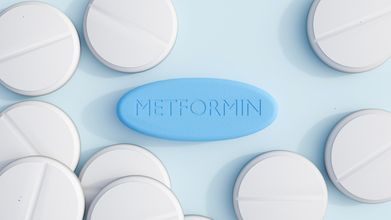
Credit: iStock
Metformin has remained the safe and most effective first-line treatment for Type 2 diabetes for the last 60 years. The anti-diabetic drug has been known to work through the liver and gut to lower blood sugar levels and improve the way the body handles insulin.
However, a new study has, for the first time, shown that metformin probably works through the brain, and neurons in a specific region boost its anti-diabetic effects.
The findings open up potential for more targeted and effective diabetes therapies as well as for improving brain health.
The international team of researchers led by those at Baylor College of Medicine, in the US, decoded a brain-based pathway involved in metformin's ability to lower blood sugar.
They found that the widely used diabetes medication switches off a key protein and activates specific neurons, and lowers blood sugar through a previously hidden pathway.
"Metformin is not just working in the liver or the gut, it's also acting in the brain. We found that while the liver and intestines need high concentrations of the drug to respond, the brain reacts to much lower levels," said corresponding author Dr. Makoto Fukuda, associate professor of pediatrics - nutrition at Baylor.
Metformin: New Brain Pathway
The new study, published in Science Advances, targeted a small protein called Rap1 -- located in a brain region known as the ventromedial hypothalamus (VMH).
Mice studies proved that metformin fights blood sugar by suppressing the activity of Rap1 in VMH.
To prove the findings, the team deployed genetically engineered mice without Rap1 in the brain.
In mice with a high-fat diet that models type 2 diabetes, low doses of metformin did not improve their blood sugar levels.
On the contrary, when metformin was delivered in very small amounts directly into the brains of diabetic mice, it effectively lowered blood sugar levels.
Further, the team found that SF1 neurons located in the VMH are helping metformin to fight diabetes.
When the team measured the electrical activity of these neurons, they found that metformin’s activity increased only when Rap1 was present
The findings demonstrated that Rap1 is required for metformin to activate these brain cells and regulate blood sugar.
"This discovery changes how we think about metformin," Dr. Fukuda said.
Also read: Indian Drug Regulator Flagged 90 Combination Medicines Sold Without Approval
Metformin: Other benefits
Metformin has also shown potential to boost fertility levels in people with polycystic ovary syndrome (PCOS) -- a condition that affects how the ovaries work.
Metformin treats PCOS by lowering insulin and blood sugar levels. This can also improve ovulation and encourage regular periods.
Metformin has previously shown its potential for slowing brain aging and improve lifespan.
While metformin is safe for most adults and children aged 10 years and older, the drug may not suitable for some people. this includes people who:
- have ever had an allergic reaction to metformin or other medicine
- have uncontrolled diabetes
- have liver or kidney problems
- have a severe infection
- are being treated for heart failure or have recently had a heart attack.
Cardiovascular Diseases Lead As India’s Top Killer: US Cardiologist Points Out Risk Factors

Credit: NYU Langone/iStock
Indians are facing an increasing burden of heart diseases, and mortality is rising faster compared to other countries. A top US cardiologist has now shared the major risk factors that range from genetics to obesity to pollution.
Cardiovascular diseases (CVDs) cause nearly 31 per cent of all deaths in India, according to the latest Sample Registration Survey (SRS) 2021-2023 data from the Registrar General of India, released in September 2025.
The SRS report highlighted cardiovascular diseases as the leading cause of death, especially among adults over 30.
Speaking exclusively to HealthandMe, Dr. Sripal Bangalore, Professor of Medicine at New York University School of Medicine, highlighted the key reasons why India is seeing a huge burden of heart diseases.
"I think it’s a combination of traditional and non-traditional risk factors. Globally, we are seeing the burden of obesity increasing, and specifically in India, genetic factors and non-traditional risk factors also play a role," Dr. Sripal said.
"There is a growing investigation into lipoprotein(a) and other causes of cardiovascular disease (in India). Obesity is a major risk factor, and I’m sure stress and pollution also add to it, with more and more data supporting these links," he added.
Data from the World Heart Federation showed that heart disease kills 28.6 lakh Indians every year. In the recent past, India has also been seeing a significantly higher rate of heart attacks and related deaths, even in children as young as 12 years old.
Also read: AHA’s New Dyslipidemia Guidelines Stress Early Screening, Lifestyle Management
What Factors Are Driving This Trend
"I think we need to know that part of it tends to be non-traditional, because in the Western world most of it is explainable by traditional risk factors like hypertension, diabetes, and hypercholesterolemia," Dr. Sripal said.
"What we see in India is that it is less about those risk factors, but more about non-traditional ones, including potentially genetic factors and lipoprotein(a)," the doctor added.
The Indian-origin interventional cardiologist also cited lifestyle factors such as stress and pollution that are significantly adding to the increased risk of cardiovascular events in the country.
AHA 2026 Cholesterol Guidelines: Relevance For India
Recently, the American Heart Association (AHA) released cholesterol guidelines, which stressed the importance of early screening, starting with teenagers.
The guidelines call for early intervention through early screening and healthy lifestyle changes, starting from childhood.
It recommends:
- Children (9-11 years): Cholesterol screening if never done before.
- Adults (30-79 years): Evaluate 10- and 30-year ASCVD risk to determine the need for early intervention
"India is a good example where LDL levels (bad cholesterol) may not be very high, like in the Western world. Many times, HDL cholesterol (good cholesterol) tends to be lower, and there are other risk factors, including lipoprotein(a), which seems to be elevated here," Dr. Sripal said.
How To Improve Heart Health
The doctor also explained whether overall diet quality matters more than just cholesterol intake.
"Diet adds to the totality of everything that we do, including increasing the risk of obesity. Cholesterol may explain some part of it, but having a heart-healthy diet is critically important," Dr. Sripal said.
The cardiologist highlighted the need to increase the intake of fruits and vegetables, as consuming natural foods is critically important.
Importantly, he also emphasized at least making sure that you have a lipid panel to check your cholesterol levels.
"We are assuming that you are staying healthy and not smoking. Checking blood pressure, it depends on your age, but at least once a year, checking your lipid panel would be critically important," Dr. Sripal told HealthandMe.
As a cardiologist, he shared that to boost heart health, the key is
- to make sure that you lead a healthy lifestyle,
- stay away from smoking,
- increase physical activity,
- reduce stress.
"Pollution is one factor, and I think we can all do our part to make sure that we don’t contribute more to environmental pollution," he noted.
Study Shows Single-use Plastics Still Rampant In India: How It Can Affect Your Health?

Credit: Toxic Link
While India’s Ministry of Environment, Forest, and Climate Change (MoEFCC) enforced a nationwide ban on identified single-use plastic (SUP) items from July 1, 2022, a new survey showed that violations continue to persist across major cities in the country, raising significant health and environmental risks.
The survey of 560 locations by Toxics Link -- an Indian environmental research and advocacy organization -- showed that 84 percent of sites across Delhi, Mumbai, Guwahati, and Bhubaneswar still use or sell banned plastic items.
Bhubaneswar recorded the highest availability of banned SUPs at 89 percent of survey locations, followed by Delhi at 86 percent, Mumbai at 85 percent, and Guwahati at 76 percent.
The survey noted that high use among street food vendors, juice shops, coconut water sellers, vegetable vendors, and ice cream parlours.
"The continued presence of banned plastic items in a majority of locations suggests that enforcement remains inconsistent,” said Ravi Agarwal, Director of Toxics Link.
“Unless implementation improves and the supply of these products is controlled, the ban will not effectively address plastic littering and pollution,” he added.
How Plastics Can Harm Your Body
Plastic carry bags, disposable plastic cutlery, cups, plates, and straws often contain chemicals like BPA and phthalates, which can interfere with the body’s hormonal balance.
BPA is an industrial chemical used to make certain plastics and resins, and its exposure has been linked to several health conditions, including an increased risk of high blood pressure.
Phthalates, another group of chemicals used to make plastics more flexible, have been found to disrupt the endocrine system, leading to potential health issues.
Also read: Your Kids’ Fast-fashion Clothing May Be Laced With High Levels of Toxic Lead
Studies have proven that BPA and phthalates can mimic the body’s hormones, particularly estrogen. This interference can disrupt the normal functioning of the cardiovascular system, leading to increased blood pressure.
Plastics also contain some highly toxic chemicals, such as flame retardants, per- and polyfluoroalkyl substances (PFAS), that can migrate into the environment and into human bodies.
According to a report by WWF, an average person could be ingesting approximately 5 grams of plastic every week.
Scientific studies have proven that the health effects of plastics include cancer or changing hormone activity (known as endocrine disruption), which can lead to reproductive, growth, and cognitive impairment.
Recent evidence also indicates that humans constantly inhale and ingest microplastics through contaminated seafood, including fish and shellfish.
In addition, microplastics have been found in tap water, bottled water, and even commonly consumed beverages, such as beer and salt.
How to Reduce the Disease Risks?
The UNDP urges individuals, organizations, and governments to work together to
- manage plastic waste,
- reduce plastic usage,
- transition to a more sustainable and resilient environment.
Other options include
- Opting for BPA-free and phthalate-free options
- Switching to reusable water bottles, plates, and cutlery made from glass, stainless steel, or other safe materials can significantly reduce exposure to harmful chemicals.
- Avoid exposing plastic bottles or lunch boxes to high temperatures, as heat can accelerate the leaching of chemicals into the water.
- Follow Us :


© 2024 Bennett, Coleman & Company Limited