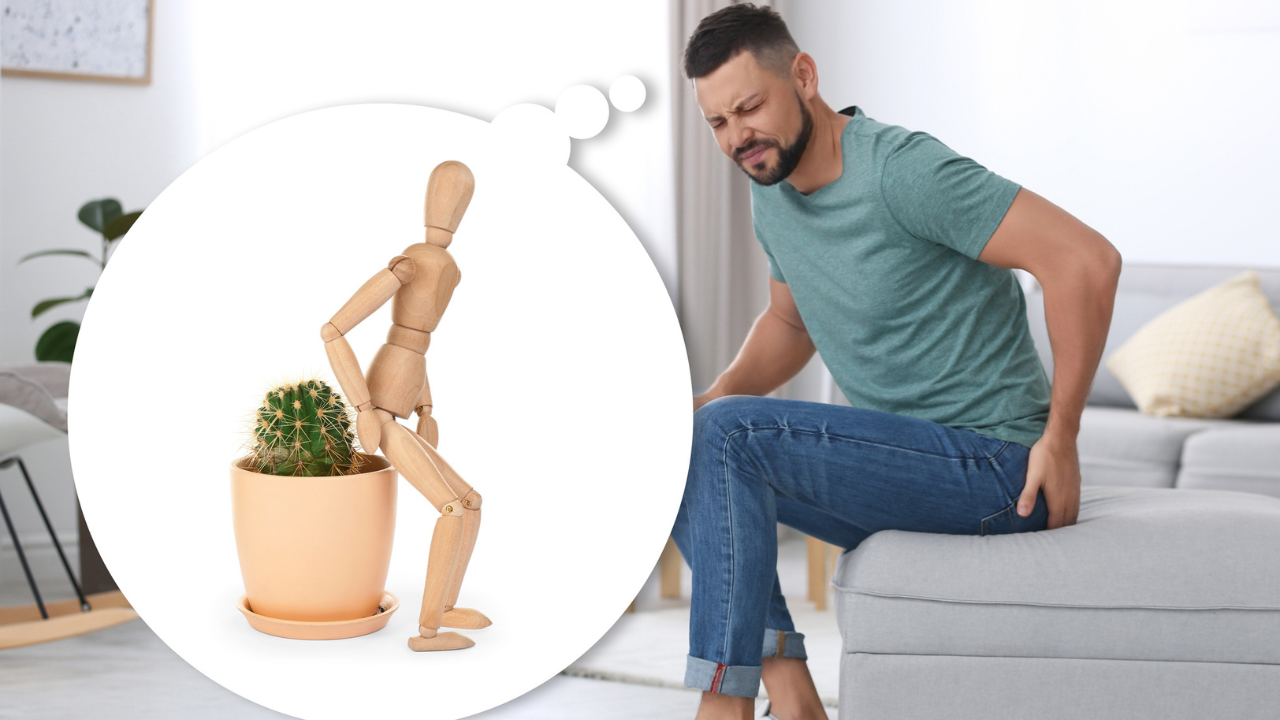
Hemorrhoids and anal fissures are far more common than most people admit, yet they often go undiagnosed for months or even years. What begins as mild discomfort or occasional itching is frequently brushed aside, either due to embarrassment or the belief that it will resolve on its own.According to Dr. Rajan Modi, MBBS, MS, FMAS, Founder and Medical Director, Kapadia Multispecialty Hospital, this delay in seeking care can allow the condition to worsen significantly. He explains that many patients ignore early symptoms because they seem minor, but over time, these warning signs can progress into more painful and complicated issues. Early identification, he stresses, is key to avoiding long-term discomfort and even surgical intervention in some cases.Bleeding During Bowel MovementsOne of the most common yet overlooked symptoms is bleeding while passing stool. This typically appears as bright red blood on toilet paper, in the toilet bowl, or on the stool surface.Dr. Modi explains that in piles, swollen veins in the anal canal may rupture during straining. In the case of fissures, even a small tear in the anal lining can lead to bleeding, often accompanied by sharp pain. While the bleeding may seem minimal, repeated episodes should never be ignored. He advises that persistent bleeding could indicate worsening inflammation and requires prompt medical evaluation to prevent complications.Pain That Comes And GoesPain is another major red flag. It may range from mild discomfort to severe, recurring pain that can last for hours after a bowel movement.Dr. Modi notes that both piles and fissures can cause pain around the anal area, especially after using the toilet, sitting for long hours, or even during travel. Patients often report a burning or itching sensation along with swelling. Ignoring such pain, he says, can delay diagnosis and prolong suffering, while early treatment can provide quick relief.Swelling Around The AnusSwelling is a symptom many patients notice but hesitate to discuss. It may appear during straining and then go back inside, require manual pushing, or remain outside permanently.This swelling is often painful and can interfere with daily activities. According to Dr. Modi, any visible or persistent swelling should be evaluated, as it may indicate advanced piles that need medical attention.Persistent ItchingAnal itching is one of the most uncomfortable symptoms and is commonly associated with both piles and fissures. It is usually caused by irritation of the sensitive skin around the anus.Dr. Modi explains that mucus discharge, inflammation, or even small amounts of stool can irritate the area and trigger itching. Moisture linked to piles can further worsen the condition, making it difficult for patients to ignore but still easy to overlook in terms of seriousness.Mucus DischargeAnother sign that should not be dismissed is mucus discharge. This may appear as a slimy or sticky substance on toilet paper or in the stool.He points out that this happens due to inflammation in the rectum, where the body produces mucus as a protective response. However, excessive discharge can signal underlying issues that need medical evaluation to prevent further complications.When To Take Symptoms SeriouslyDr. Modi emphasizes that these symptoms should never be ignored, especially if they appear after the age of forty, are accompanied by weight loss, or involve changes in bowel habits.Early diagnosis can make a significant difference. Timely medical care not only helps manage symptoms effectively but also prevents complications such as infection, chronic pain, and worsening of the condition. Seeking help at the right time ensures better long-term digestive and anorectal health.