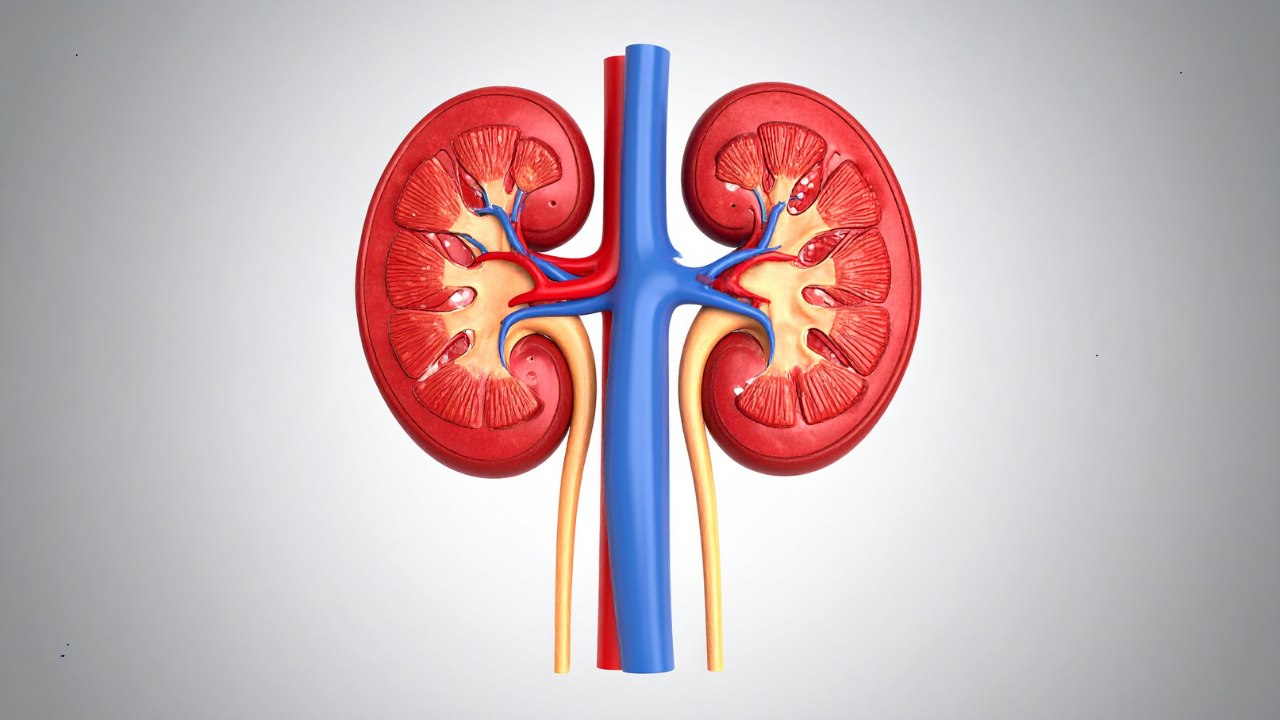
Kidney disease is one of those conditions where myths quietly cause a lot of damage. Misinformation about symptoms, diet, medicines, and treatment can delay diagnosis, worsen kidney health, and prevent people from taking simple steps that could protect their kidneys early on.Myth: Kidney disease is rare.Fact: It’s actually quite common, but many people don’t even know they have it.Myth: You’ll feel it if something is wrong.Fact: Early chronic kidney disease (CKD) is usually silent, and symptoms often appear only after significant damage has already occurred.Even something as simple as a slightly raised creatinine is often ignored.Fact: Even mild elevations can signal a meaningful loss of kidney function.Myth: Dialysis cures kidney disease.Fact: Dialysis does not cure kidney disease. It only replaces some kidney functions to help keep the body in balance.Myth: If dialysis is needed in Acute Kidney Injury (AKI), it means lifelong dialysis.Fact: Dialysis in AKI may be temporary. In advanced CKD, however, it is often long-term or lifelong unless a kidney transplant is performed.Diet myths don’t help eitherMyth: More water is always better.Fact: Hydration is important, but too much water isn’t helpful for everyone—especially in advanced CKD, where fluid intake may need to be restricted.Myth: All kidney patients should eat the same diet.Fact: Kidney diets are highly individualized. High-protein diets, often seen as healthy, can increase stress on damaged kidneys. Plant-based proteins can be a suitable alternative in many cases.Myth: Herbal or indigenous remedies can cure or prevent kidney disease.Fact: Many of these remedies are unregulated and may actually worsen kidney damage because of hidden toxins or heavy metals.Myth: Painkillers are harmless.Fact: Regular use of medicines like NSAIDs can quietly damage the kidneys over time.At the end of the day, kidney disease isn’t just about treatment—it’s about awareness. Getting the facts right can make all the difference.