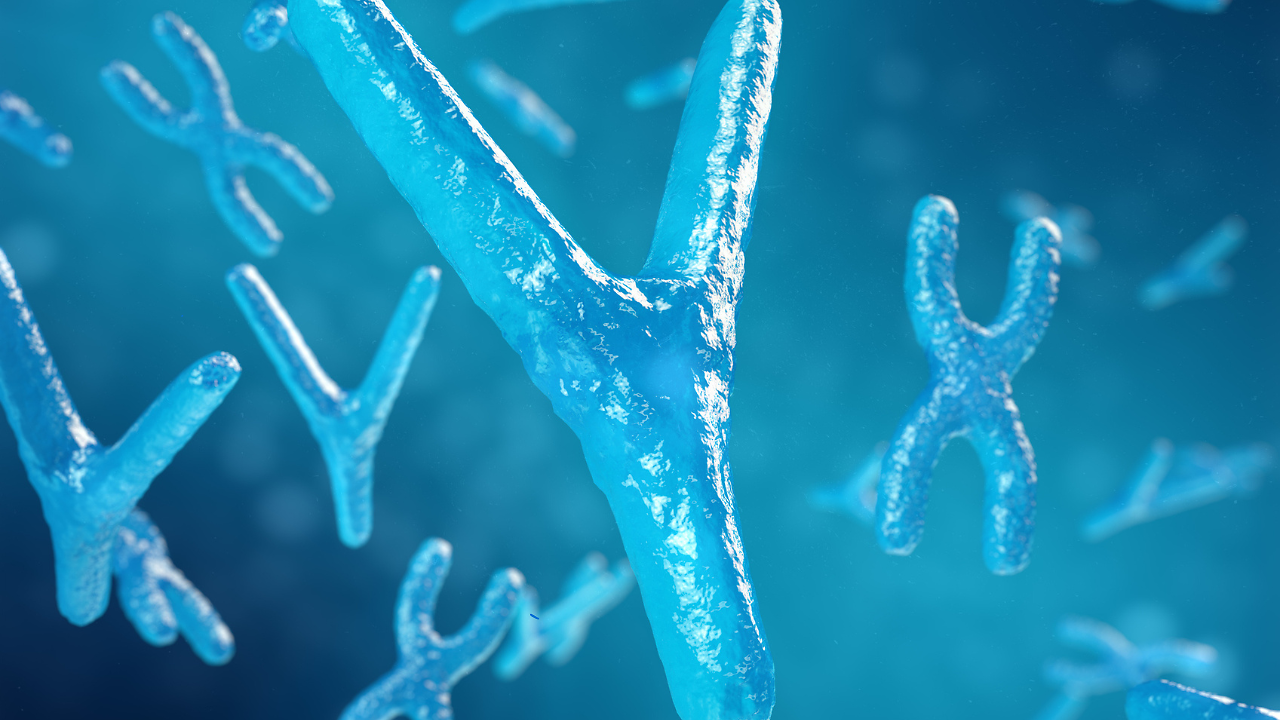
Humans and most mammals have two sex chromosomes, X and Y. Females typically have two X chromosomes (XX), while males typically have one X and one Y chromosome (XY). As men age, many of their cells gradually lose the Y chromosome, due to a common genetic change.Research has shown that cancer incidence and mortality rate are more among men than women. A new study may offer clues as to why.Researchers from the University of Arizona found that loss of the Y chromosome in men’s tissues could create conditions that allow cancer to develop.The research, published in JCI Insights, found that Y chromosome loss creates a pre-neoplastic field effect — a hidden zone of genetic vulnerability in normal-appearing tissue that may provide fertile ground for cancer development.What Did The Study Find?Also read: US Cancer Death Rates Fall For Men, Women: Lung Cancer Progress Drives DeclinePrevious studies have linked loss of the Y chromosome in blood cells to an increased risk of disease. The new study systematically profiled Y chromosome loss across normal, precancerous and cancerous tissues from 11 major human organs.“We were able to show that the loss of the Y chromosome is found in normal-appearing tissues adjacent to a tumor,” said physician-scientist Dr. Dan Theodorescu of the University of Arizona Cancer Center.“That finding is what makes this discovery so exciting. It suggests we may be looking at one of the earliest signposts of cancer forming.”The team analyzed 1,000 tissue samples from 405 men, using an automated fluorescent imaging system to examine more than 4.3 million individual cell nuclei and measure the ratio of Y to X chromosomes.In one part of the study, researchers created detailed maps of bladder tissue removed during cancer surgery. The maps showed that Y chromosome loss increased as tissue progressed from normal tissue to early abnormal cells and then to cancer.Y chromosome loss in normal-appearing tissue was highest in samples from colon, rectal, esophageal, pancreatic and lung cancers.“We are now thinking of this as a gradient, similar to a hillside that slowly gets steeper,” Theodorescu said. “The closer the tissue is to a cancer, the more Y chromosome loss we see. That gradient could one day help doctors suspect trouble in biopsies that miss a smaller cancer.”How Y Chromosome Loss May Affect CancerRead More: UK NHS Trust To Review 4,500 More Breast Cancer Cases After 20 Unnecessary MastectomiesTheodorescu’s previous research examined how loss of the Y chromosome in cancer cells can help them evade the immune system. This may help explain why Y chromosome loss has been associated with higher mortality from certain carcinomas.What Does The Y Chromosome Do?The Y chromosome spans more than 59 million DNA base pairs and accounts for almost 2% of the DNA in human cells. It contains roughly 70 to 200 genes involved in protein production.The chromosome contains genes that play important roles in male sex development and fertility, including sperm production.Beyond reproduction, research suggests that the Y chromosome can influence immune and inflammatory responses in men, potentially affecting susceptibility to certain diseases.READ: Multicancer Blood Test Detects 17 Cancer In A Large Study: Can It Replace Mammograms & Colonoscopies? Cancer Risk In MenGlobally, cancer is diagnosed more often in men than in women, with men having roughly a 25% higher incidence rate. Men also account for a greater share of cancer deaths worldwide.Some of the most common cancers affecting men include prostate, lung, colorectal and skin cancers. Early detection and appropriate screening can improve the chances of successful treatment for several types of cancer.