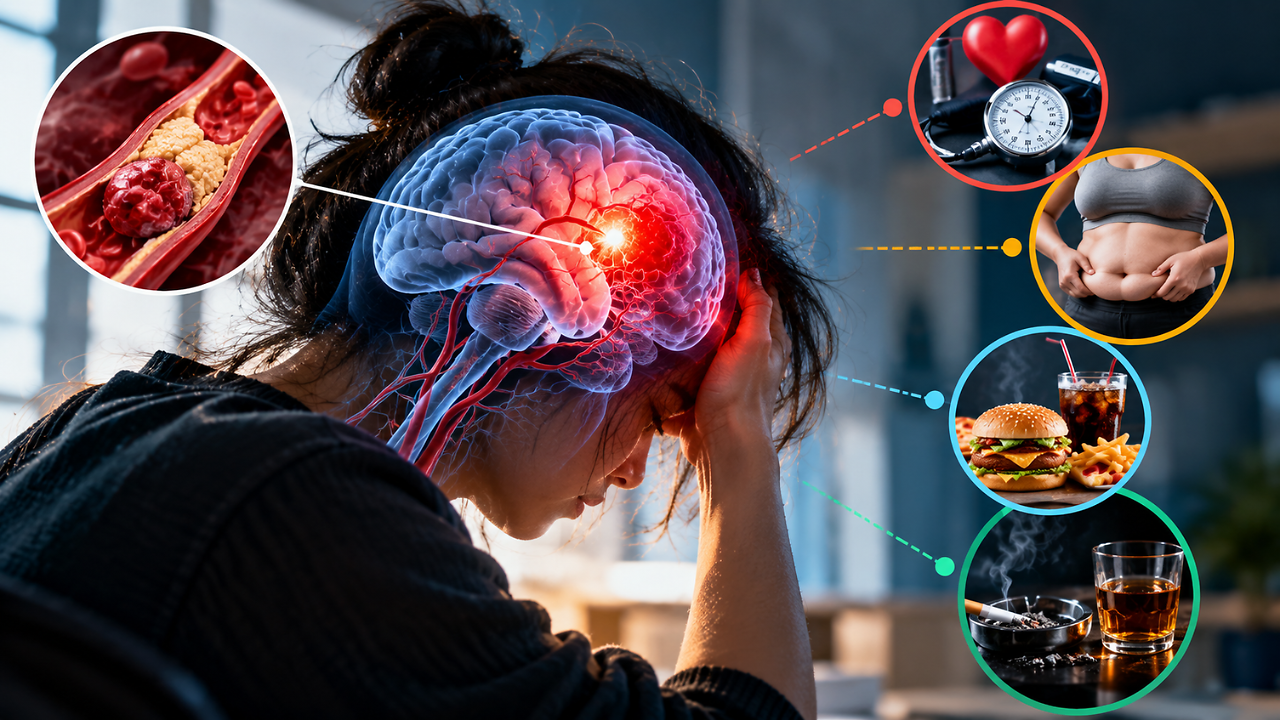
A new study has revealed an alarming trend in stroke cases in the past three decades. Strokes have often been associated as an age-related disease. But according to a study published in Neurology, the rate of stroke among adults aged 20 to 54 has nearly doubled between 1993-94 and 2020. Researchers examined data from the Greater Cincinnati and Northern Kentucky Stroke Study and identified 2,076 first-time strokes among people in this age group. The rate of stroke rose from 33.9 cases per 100,000 person-years in 1993-94 to 62.2 in 2020. The increase was largely driven by ischemic stroke, which happens when a blood vessel in the brain becomes blocked. The study points towards an alarming pattern, especially among younger age groups. It raises the question of why are strokes are occurring earlier in life? High Blood Pressure, Diabetes And Other Risks The researchers found that several risk factors of stroke became more common among younger people. These included lifestyle disorders like high blood pressure, diabetes and atrial fibrillation, an irregular heart rhythm that can increase the risk of blood clots. Apart from lifestyle diseases, researchers also saw an increase in substance use. Among younger adults who had suffered a stroke, substance use rose from 4.6% in 1993-94 to 40.2% in 2020. Much of this increase was linked to marijuana use. However, the study does not prove that these factors caused the overall rise in stroke rates. Researchers did not have comparable information from people who had not suffered a stroke, making it impossible to determine whether the changing risk factors directly explain the surge in cases. According to the study, the increase was concentrated mainly in ischemic strokes. The rate of ischemic stroke among 20- to 54-year-olds rose from 23.8 to 47.3 cases per 100,000 person-years during the study period. Researchers did not observe a similar increase in intracerebral haemorrhage, which involves bleeding within the brain, or subarachnoid haemorrhage, which involves bleeding around the brain.Also read: Can A Roller Coaster Cause A Brain Bleed? What Sudden Acceleration And Deceleration Does To The BrainWhat Is An Ischemic Stroke? An ischemic stroke occurs when a blood vessel supplying part of the brain becomes blocked, cutting off oxygen and nutrients. Brain cells can start dying within minutes, which is why stroke treatment is highly time-sensitive. The warning signs of stroke can appear suddenly. They include: Facial droopingWeaknessNumbness in an arm or legDifficulty speaking The commonly used FAST acronym stands for Face, Arm, Speech and Time. If these symptoms appear, emergency medical care should be sought immediately.Also read: UK Student Nearly Dies After Accidental Paracetamol Overdose: Why It Can Cause Liver FailureMore Young People Are Surviving Stroke This is another interesting finding. Although stroke became more common among younger adults, the study found that the 30-day death rate declined modestly, from 11.7% in 1993-94 to 9.4% in 2020 after adjusting for age, race and sex. That means more younger people may be surviving strokes but potentially living with their long-term consequences. The researchers say the findings highlight the importance of identifying and managing stroke risk factors earlier in adulthood. More research is still required to understand what is behind the changing pattern and how it can be prevented.