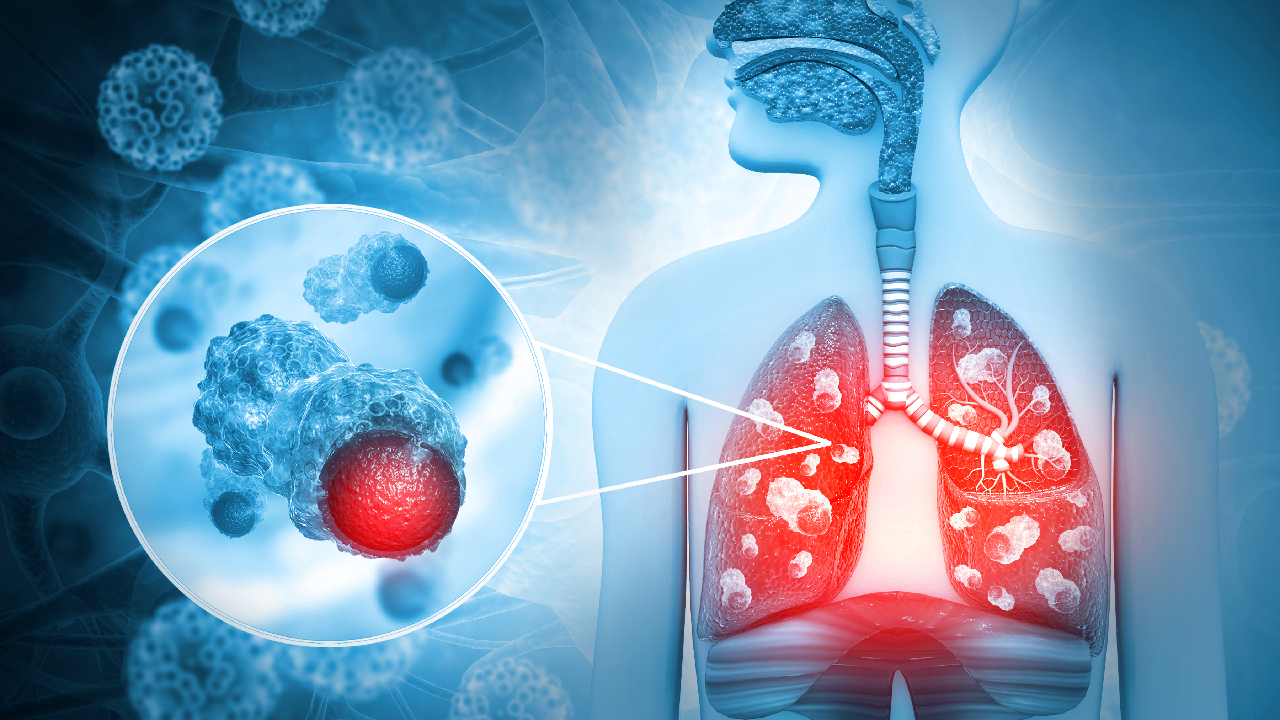
Lung cancer is among one of the most feared health condition known to man and detecting it early on can make a difference between life and death but now a new study has even claiming of a more promising detection option where the detection the disease will be possible even before it starts to grow in this way the potential patient will be able to stay through screening and possible medication far before the ailment starts to grow in their body.A new study by Australia’s Walter and Eliza Hall Institute of Medical Research (WEHI) has identified a new blood signature that might detect cancer even before the disease develops. They are claiming that with this blood test, there is a chance that detection can be possible even 5 years before it actually occurs. The study was published in Cell.The research was conducted with over 48,000 blood samples, and they identified a 14-protein signature that predicted lung cancer risk within five years and was validated across eight international datasets. Researchers made clear that the detection did not come from the tumor but from a different inflammatory lung environment that precedes cancer.WEHI laboratory head Clare Weeden, a corresponding author on the paper, said: "The study could lead to more inclusive and effective screening approaches for people in Australia and across the world." She added, “In doing so, these findings bring us closer to a future where early intervention is possible, even before the cancer has a chance to develop.”Also Read: Diphtheria Outbreak: Australia Reports First Death In A DecadeWhat Is Lung Cancer?Lung Cancer is one of the most common and serious types of cancer. It is also the leading cause of cancer-related deaths worldwide, with approximately 2.5 million new cases and 1.8 million deaths reported in 2022. According to the American Cancer Society, lung cancer mainly occurs in older people. Most people diagnosed with lung cancer are 65 or older; a very small number of people diagnosed are younger than 45. The Two Main Types Of Lung Cancers Are:Non-small-cell lung cancer (NSCLC): This is the most common form, making up about 80–85% of all cases. NSCLC includes three subtypes:Squamous cell carcinomaAdenocarcinomaLarge-cell carcinomaSmall-cell lung cancer (SCLC): Less common than NSCLC, this type tends to grow and spread more quickly.Early Signs And Symptoms To Look Out ForLung cancer symptoms can mimic less serious conditions, which is why they’re often dismissed or misdiagnosed. If you experience the following symptoms persistently, don’t ignore them—regardless of your age or smoking history:Chest pain or discomfortUnexplained shortness of breathPersistent cough or wheezingShoulder, back, or rib painFatigue or sudden weight lossBlood in sputum (though not always present).