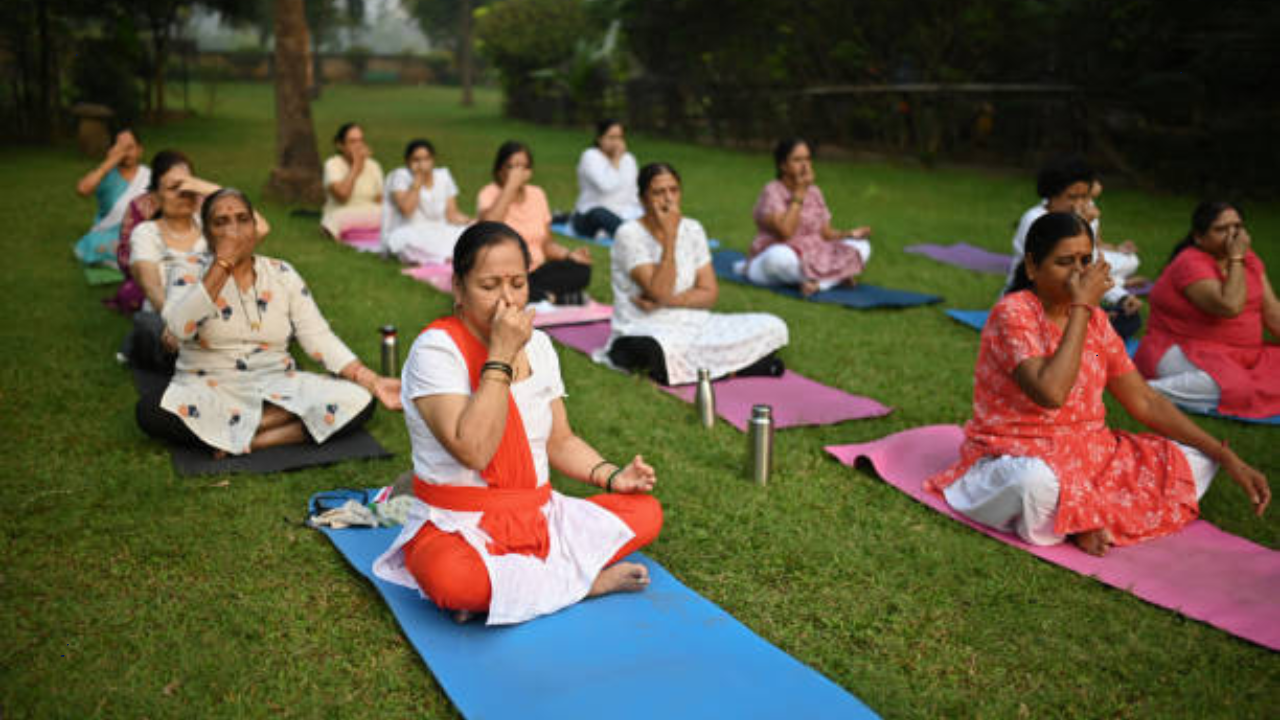
The life of a woman can be called a cycle of various physical and hormonal changes occurring at particular points throughout life. From menstruation at puberty up to menopause, there will be numerous changes experienced by the female body, which can bring about consequences for her physical and psychological well-being. Being a healthcare professional, I should mention that although medication is sometimes unavoidable, there is no point in neglecting alternative ways, including yoga.Yoga Can Help Women Yoga is an exercise that involves asanas, pranayamas, and meditation. There is now scientific evidence indicating that yoga aids in coping with certain conditions in women. It achieves this by positively influencing the neuroendocrine, autonomic nervous system, and stress responses.A significant number of women are victims of menstrual conditions such as dysmenorrhea, PMS, abnormal menstrual cycle, and heavy menses during their reproductive age. The conditions may become worse due to stress, since it affects hormone levels. Yoga reduces the amount of congestion in the pelvic area, increases blood flow, increases body flexibility, and reduces stress hormones such as cortisol. Consequently, most women have painless and psychologically stable menstruation.Yoga Can Improve PCOS SymptomsMoreover, yoga can prove highly helpful in the case of women who are suffering from Polycystic Ovary Syndrome (PCOS). It is the most prevalent endocrine disorder that affects women of childbearing age. The condition has insulin resistance, obesity, irregular menstruation, and metabolic conditions as its symptoms. Thus, yoga, along with healthy living, can provide some assistance in terms of improving insulin levels, maintaining weight, reducing stress, and balancing hormones.Yoga in PregnancyYoga has many advantages during pregnancy. It will ensure good posture, decrease lower back pain, increase flexibility, improve breath control, and prepare the body for delivery. In addition, prenatal yoga helps with dealing with emotional and mental issues related to pregnancy, which will have a positive effect on the mother and her baby.Yoga During Perimenopause And Menopause With the onset of perimenopause and menopause, the reduction in levels of estrogen is known to cause side effects like hot flashes, insomnia, irritability, exhaustion, aches in the joints, and thinning bones. All these factors have significant impacts on both the daily life activities and the emotional state of women. The research shows that yoga may be helpful in overcoming the symptoms of menopause through relaxation, improvement in sleep, muscle strengthening, and better handling of emotions. Breathing techniques and meditation help in lowering stress and positively influencing the mental state of patients.Apart from the specific diseases that yoga can alleviate, it promotes self-awareness, which plays an important role in managing one’s emotions. Nowadays, women tend to have a large number of duties, such as working, taking care of children, and doing housework. Chronic stress leads to many diseases, for instance, high blood pressure, obesity, heart issues, and psychological problems.For all phases of female development, from menstruation until menopause, the emphasis should be on not just the treatment of diseases but the maintenance of wellness. While yoga cannot replace medical care, it remains an important supplement that aids in achieving physical fitness as well as mental and spiritual well-being. Through regular yoga practice, a woman will develop her resilience and become stronger in every phase of life.(By Dr. Ruchi Bhandari, Director- Obstetrics & Gynecology, Yatharth Hospital, Noida)