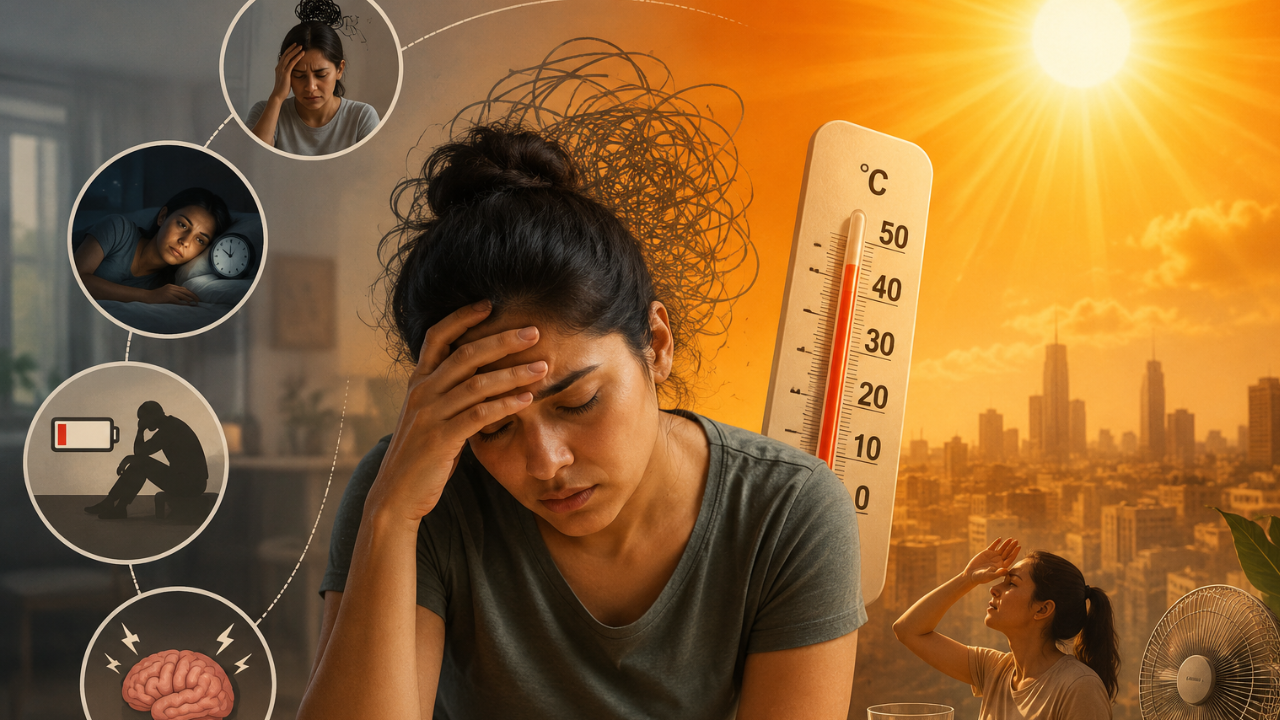
As heatwaves have become more frequent and intense across the globe, health experts are increasingly warning that soaring temperatures affect far more than physical health. While dehydration, heat exhaustion, and heatstroke are common physiological effects of heatwaves, extreme heat can also take a significant toll on mental wellbeing. Mental Health Toll Of Extreme Heat HealthandMe spoke to Dr. Samant Darshi, Consultant - Psychiatrist & Neuromodulation Expert, Psymate Healthcare, Noida, about the psychological impact of extreme heat. In hot weather, the human body constantly works to maintain a stable internal temperature. During periods of extreme heat, this process becomes increasingly challenging, placing considerable strain on both the body and brain. Dr Darshi explains, “The high temperatures during heat waves can have a strong influence on not only physical but also the psychological state of people. The hot weather causes irritation, nervousness, stress, and frustration. Sleep disturbance associated with the hot weather only complicates the process of keeping a good mood.” Living in higher temperatures is slowly becoming the new norm in several countries. With climate change driving longer and more intense heat events, understanding the psychological impact of extreme heat has become more important than ever. Extreme Heat Can Worsen Serious Mental Health Issues Additionally, research has shown that prolonged exposure to heat can worsen stress, anxiety, irritability, and even increase the risk of severe mental health crises. Moreover, people's ability to think logically is affected by heat; memory, attention, and overall productivity decrease in extreme temperatures. Dr Darshi says, “People with some pre-existing mental health conditions (depression, anxiety disorders, schizophrenia, etc.) can suffer from worsening their symptoms during prolonged heatwaves. The side effects of some medications that are used for the treatment of mental illnesses include the disturbance of the processes of thermoregulation in the organism.” High temperatures can also disrupt sleep, hamper hormone levels, and affect neurotransmitters like serotonin and dopamine, which play a key role in regulating mood. Sleep deprivation, a common consequence of hot nights, can further intensify emotional distress, making people feel more anxious, irritable, or overwhelmed. Heatwaves Drives Isolation As temperatures soar, people generally avoid stepping out, becoming increasingly secluded. Lack of social interactions triggers the brain’s primal ‘survival threat’ alarm, which can lead to excessive stress, poor emotional regulation, and increased risk of anxiety and depression. It especially affects older people and other vulnerable groups. Social isolation can cause psychological problems in terms of loneliness and depression. In extreme cases, prolonged exposure to heat causes aggression, self-harm, and other mental health crises. How To Protect Your Mental Wellbeing During A Heatwave While one has little to no control over the weather, certain measures can help reduce the mental strain caused by extreme heat: Staying hydrated throughout the day. Keeping indoor spaces cool using fans, curtains, or air conditioning where possible. Avoiding strenuous activities during the hottest hours. Prioritizing good sleep hygiene and keep bedrooms as cool as possible. Checking in regularly with family members, friends, and neighbours, particularly those living alone. Seek professional support if feelings of anxiety, depression, or distress become overwhelming.