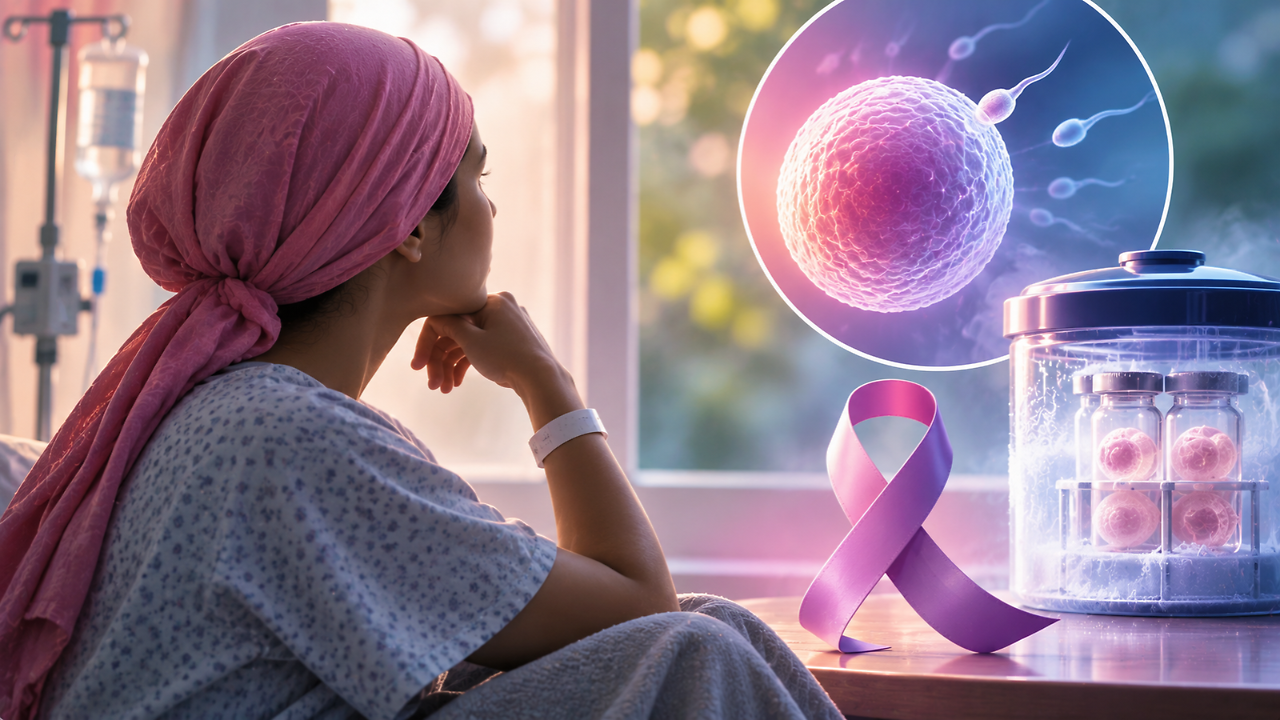
A cancer diagnosis in your 20s or 30s could be a life-altering event as it brings several difficult questions that you may not be prepared to answer. Depending on the cancer type and treatment, the possibility of you having children in the future could get significantly affected. Chemotherapy, radiation and certain surgeries can have a profound impact on reproductive health in both men and women. However, infertility is not an inevitable outcome of cancer treatment.On National Cancer Awareness Day, experts help us understand the impact of cancer treatment on fertility by discussing options that can help young patients make informed decisions.Dr Jeyhan B. Dhabhar, Medical Oncologist at Head Neck Cancer Institute India (HNCII), told HealthandMe that the effect of cancer treatment on fertility depends on several factors, including the type of chemotherapy, the area exposed to radiation, the patient's age and the treatment regimen.“Cancer treatment can affect fertility in both men and women, but it is important to understand that not every cancer treatment causes infertility,” he said.Dr Vijayalaxmi Koppad, Fertility Consultant at Birthright Fertility, HRBR, Marathahalli, Bengaluru, told HealthandMe that treatments designed to target rapidly dividing cancer cells can also damage reproductive cells. She said, "Chemotherapy may affect ovarian egg reserves or sperm production, while radiation and surgery can also affect reproductive organs."How Does Cancer Treatment Affect Fertility In Men And Women?Also read: FDA Probes Cancer Risk After Tumours Reported In Children Given Novartis's SMA Gene TherapyThe impact of cancer treatment can differ between men and women. In men, certain chemotherapy drugs may reduce sperm count or disrupt sperm production. Although sperm production can recover after treatment, the extent and timing of recovery vary.In women, treatment may damage the remaining egg supply or affect ovarian function and menstrual cycles. Dr Dhabhar said, "In women, some treatments may affect the number of healthy eggs remaining in the ovaries or cause changes in menstrual cycles. Age is an important factor, as women naturally have a declining egg reserve as they grow older."Dr Koppad explains that the biological differences between men and women influence their chances of recovery. “Men continuously produce new sperm throughout life, so their reproductive system might recover over time, whereas women are born with a fixed supply of eggs that cannot be replaced once damaged by treatment, making age a critical factor for women,” she said.However, fertility outcomes cannot be predicted by age or gender alone. As Dr Dhabhar points out, two patients of the same age may have very different outcomes depending on the treatment they receive.Can Cancer Treatment Cause Permanent Infertility?Also read: NCCN Issues First-Ever Guidelines For Cancer CaregiversDr Dhabhar said that some cancer treatments can cause permanent infertility but this does not happen to everyone. The risk may be higher with certain chemotherapy drugs, particularly alkylating agents, high-dose chemotherapy and radiation directed at reproductive organs. Surgeries that involve removing the ovaries or testes can also result in permanent loss of fertility. However, advances in fertility preservation have given young patients options to consider before starting cancer treatment. Dr Koppad said, “High-dose chemotherapy, pelvic radiation, or surgeries that remove reproductive organs (like the ovaries or testes) can lead to permanent loss of fertility. However, modern fertility preservation techniques—such as freezing eggs, embryos, or sperm before treatment begins—give young patients a crucial safety net for the future.”Men may be able to freeze sperm, while women can consider egg or embryo freezing. These procedures can preserve fertility post after treatment.Dr Dhabhar said, "My advice to young patients is simple: if having children in the future is important to you, speak to your oncologist before starting treatment. Even a short discussion can make a meaningful difference to your future choices."Can Fertility Return Naturally After Cancer Treatment?Also read: After Olympian Ciara Mageean’s Death At 34, Irish Health Authorities Are Being Urged To Lower Screening Age For Bowel CancerFertility can return naturally after cancer treatment and some survivors go on to have children without fertility assistance. In men, sperm production may gradually recover after chemotherapy. In women, menstrual cycles and ovarian function may return, depending on their age and the treatment.However, the return of regular periods does not always mean that ovarian function or fertility has fully recovered. Similarly, sperm production may take time to return, and recovery is not guaranteed.“Many cancer survivors go on to have healthy children,” says Dr Dhabhar. He recommends that patients planning a family after treatment undergo a fertility assessment and discuss the appropriate time to try for pregnancy with their oncologist.Fertility Should Be Discussed Before Cancer Treatment Ideally fertility should be discussed between oncologists and young patients before treatment begins. This gives patients an opportunity to understand the risks and consider preservation options.Dr Koppad says, “While global medical guidelines urge doctors to discuss fertility before starting any therapy, it still gets overlooked during the initial rush to fight the disease.”She encourages patients and their families to raise the subject early. One question they can ask their oncologist is: “How will this treatment affect my future family plans?”Dr Dhabhar also emphasises that fertility planning should be addressed alongside cancer care, rather than becoming a reason to avoid or postpone essential treatment.His message to young patients is clear. He said, “A cancer diagnosis does not mean giving up the dream of having a family. With the right guidance and timely planning, many patients can successfully balance cancer treatment with their future fertility goals.”