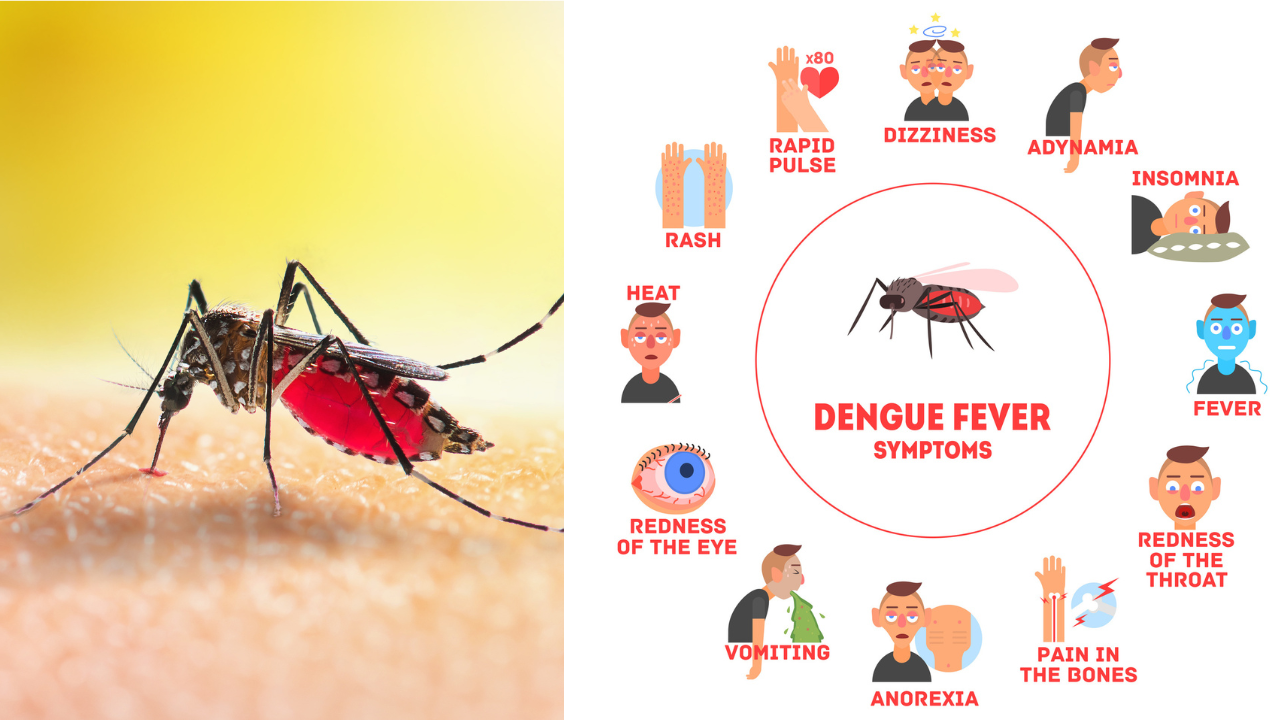
India has recorded 6,927 dengue cases and 10 deaths so far in 2026, according to the latest data from the National Centre for Vector Borne Diseases Control (NCVBDC).According to the provisional data as of February this year, Tamil Nadu reported the highest number of cases at 2,873, followed by Maharashtra with 786, Kerala with 670, Karnataka with 560, and Andhra Pradesh with 448 cases. During the same period, Kerala reported nine deaths, while Tamil Nadu reported one death.According to the Ministry of Health, the Case Fatality Rate (deaths per 100 cases) for dengue has remained below 1 per cent since 2008 and stood at 0.13 per cent in 2024.The dengue burden in India has steadily increased over the past few years:YearCasesDeaths2021193,2453462022233,2513032023289,2354852024233,5192972025121,824131According to research published in the Journal of Family Medicine and Primary Care, dengue cases in India this year are projected to cross 3 lakh. National Dengue Day: History And ThemeLaunched in 2010, National Dengue Day is observed every year on May 16 as a pre-monsoon alert to help communities prepare before mosquito breeding peaks.“On National Dengue Day, let us unite to spread awareness about dengue prevention and keep our surroundings clean and safe. The Government of India continues to strengthen dengue control through better surveillance, testing, improved treatment, and awareness campaigns,” said Jagat Prakash Nadda on the social media platform X.“This year’s theme, ‘Community Participation for Dengue Control: Check, Clean and Cover,’ reminds us that community action is key to defeating dengue,” he added.Dengue Vaccines In India Notably, India is currently developing an indigenous dengue vaccine that is undergoing clinical trials.“The trials will take at least two and a half years, which means by the end of 2028, we will have the results,” said Dr. N K Arora, Member of the National Technical Advisory Group on Immunization in India (NTAGI), speaking to HealthandMe.He highlighted the severity of dengue when it progresses from a mild illness to a severe one, particularly among young adults.The vaccine is expected to play a crucial role in protecting the 10–20 age group, which is considered more susceptible to severe dengue cases.Also read:Ebola Resurfaces In Eastern DR Congo In 17th Outbreak, Claims 65 Lives: All You Need To Know“We are waiting for the results of the trials, and once the vaccine is recommended by the NTAGI, the system will be ready to adopt it,” Dr. Arora added.Meanwhile, Qdenga, a dengue vaccine developed by the Japanese pharmaceutical company named Takeda Pharma, is expected to be rolled out soon in the country. The vaccine TAK-003 will be available in India through a manufacturing partnership with Hyderabad-based Biological E (Bio E), in line with the 'Make in India' initiative.What Is Dengue?Dengue is a viral infection transmitted primarily by Aedes mosquitoes and is common in tropical and subtropical regions worldwide.Mild dengue causes high fever and flu-like symptoms. However, in some cases, it can progress to severe dengue, also known as dengue hemorrhagic fever, which may lead to serious bleeding, shock, and death.Dengue is considered the most prevalent viral infection transmitted by Aedes mosquitoes. More than 3.9 billion people across over 132 countries are at risk, with an estimated 96 million symptomatic cases and around 40,000 deaths annually worldwide.Symptoms Of Dengue FeverSymptoms usually appear 4–10 days after being bitten by an infected mosquito and may vary in severity. Common symptoms include:High feverSevere headachePain behind the eyesJoint and muscle painNausea and vomitingFatigueSkin rashes appearing a few days after fever onsetIn severe cases, dengue may cause excessive bleeding, a sudden drop in blood pressure, and organ complications.How To Prevent DenguePreventing dengue mainly involves reducing mosquito exposure and eliminating mosquito breeding sites. Effective preventive measures include:Using insect repellents containing DEETWearing long-sleeved clothing, especially during dawn and duskInstalling screens on windows and doorsUsing mosquito nets while sleeping in endemic areasEliminating stagnant water in flower pots, gutters, and containersUsing mosquito traps or insecticide-treated materials in mosquito-prone areas.