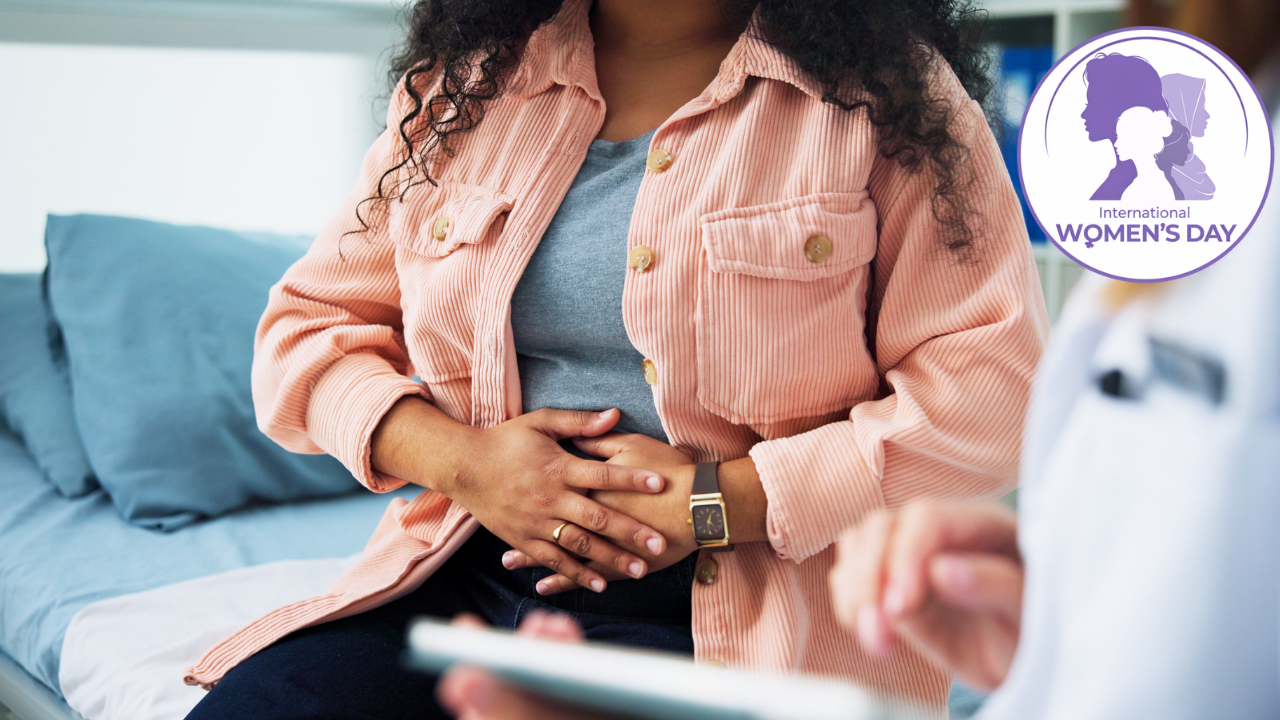
Flo Health, a popular women's health app, has developed new digital tools which could shorten the time for endometriosis diagnosis by more than four years and reduce costs by thousands of dollars per patient across the US. As of now, endometriosis affects an estimated 190 million of reproductive-age women worldwide, according to the World Health Organization. There is no cure for the chronic condition and access to early diagnosis and effective treatment can take years. Currently, the average time for a diagnosis is between four to 12 years.However, a new npj Digital Medicine study suggests that Flo Health's Symptom Checker, specifically for endometriosis, alongside standard care could reduce the average time to diagnosis from 7 years to approximately 3 years with about 70 percent accuracy. The research also found that using the checker allowed women to save $5,196 USD over a 40 year timespan, resulting from reduced medical costs and less productivity loss.Anna Klepchukova, Chief Medical Officer at Flo Health, emphasized that the goal of such technology is to bridge the gap between symptom onset and clinical intervention.“Endometriosis can deeply disrupt women’s lives, yet many spend years searching for answers within a system that hasn’t always been designed to connect the patterns they experience over time. "This research explores how digital tools may help women better recognize their symptoms and bring clearer insights into conversations with their health care providers. While these tools aren't diagnostic, they support earlier awareness and more informed decisions, ultimately changing the trajectory of their care and their lives," she said.What Is Endometriosis?Endometriosis occurs when tissue similar to the uterine lining grows outside the uterus, causing pain and other symptoms. According to Dr Anuradha Kapur, Principal Director (Obstetrics & Gynecology) & Head of Unit at Max Smart Super Speciality Hospital, Saket, symptoms can vary widely: “Many experience painful periods, pain during intercourse, bloating, and fatigue. Others may have irregular bleeding, pain during bowel movements, and even asymptomatic cases,” she notes. Endometriosis is complex and can be difficult to diagnose, especially in asymptomatic cases or when symptoms overlap with other conditions like PCOS.How Endometriosis Affects LifeEndometriosis can disrupt daily routines, impacting work and relationships due to fatigue and persistent pain. Dr Sonam Simpatwar, a reproductive medicine specialist at Central Railway Hospital, Byculla, Mumbai, highlights the importance of staying alert to symptoms, especially for those with risk factors like family history or high estrogen levels. “Symptoms can be subtle, and many women may not experience severe signs until they face issues like infertility,” she noted.For some, managing endometriosis involves lifestyle changes, pain management, and treatments ranging from hormonal therapies to surgical options. Regular gynaecological check-ups are crucial for catching signs early and avoiding long-term complications.The PCOS and Endometriosis ConnectionPCOS, or Polycystic Ovary Syndrome, is often confused with endometriosis due to some overlapping symptoms like irregular menstrual periods.However, as Dr. Kapur explains, “PCOS doesn’t cause endometriosis. They are distinct conditions with different causes—PCOS results from hormonal imbalances, while endometriosis involves abnormal tissue growth outside the uterus.”Although they don’t directly cause one another, patients with both conditions face unique challenges, including a higher risk of infertility, irregular cycles, and persistent pain.Managing PCOS can be equally challenging, particularly because it’s closely tied to insulin resistance and weight. Lifestyle changes, such as a balanced diet and regular exercise, are often recommended, but these suggestions can sometimes become oversimplified, leaving patients feeling body-shamed or unsupported.